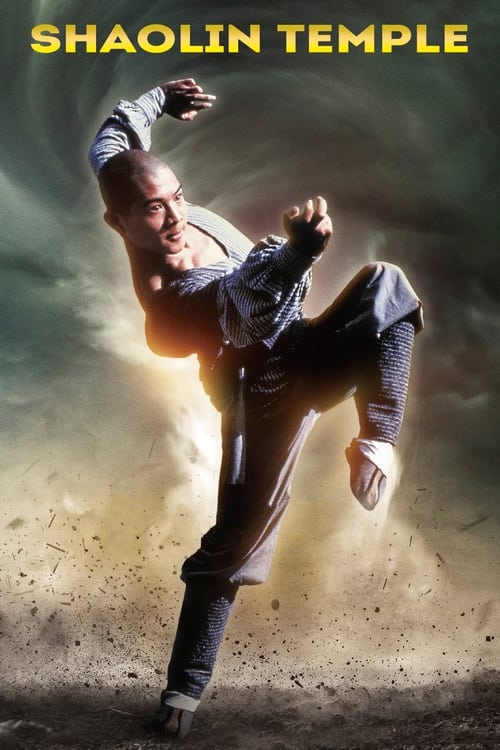
Shaolin Temple
1982
No user ratings available yet
Diversity score: 3.3 out of 10
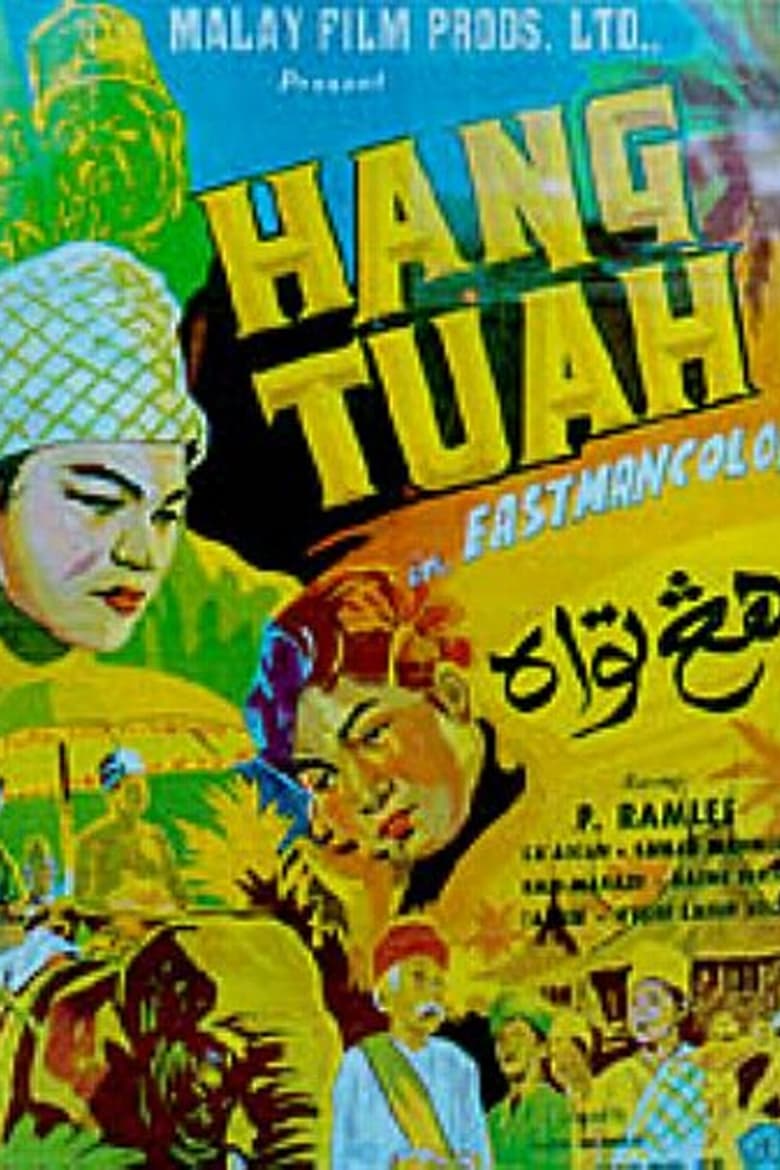
1956
Director
Phani Majumdar
Runtime
120 minutes
Average Rating
No ratings yetSynopsis
Hang Tuah and his four sworn brothers, Hang Jebat, Hang Kasturi, Hang Lekir and Hang Lekiu, has pledged to protect the Sultan of Malacca. With their dedication, the five brothers rose quickly from the ranks, especially Hang Tuah whom has proven himself to be an able warrior and leader. When Hang Tuah managed to persuade Tun Teja to marry the Sultan of Malacca, the Sultan was overjoyed and rewarded Hang Tuah with full honours. The old guards felt threatened and envious, decided to frame him.
Overall Score
Limited
Category Breakdown
LGBTQ+ Representation
The film contains no LGBTQ+ characters or narratives. Romantic elements, such as the subplot involving Tun Teja, strictly adhere to traditional marriage norms used to reinforce political stability.
Gender Representation
Power is concentrated within a male-dominated warrior class and patriarchal authority. While Tun Teja is central to the plot, her agency is largely defined by her relationships with male figures.
Racial & Ethnic Diversity
The production offers authentic representation by centering Malay historical figures and a Malay cast. It avoids whitewashing by focusing on the indigenous identity of the Malacca Sultanate.
Religious & Cultural Diversity
The narrative celebrates traditional feudalism and religious orthodoxy. It promotes absolute loyalty to the Sultanate, portraying the established social order as the primary moral baseline.
Disability Representation
There is no evidence of characters with visible or invisible disabilities. No such figures are utilized as central plot devices or portrayed with specific agency.
Strengths
Areas for Improvement
AI Analysis
Hang Tuah is a traditionalist historical epic that prioritizes the preservation of established social hierarchies. The film functions as a reinforcement of feudal loyalty and the state-subject relationship through its focus on martial honor. While the film succeeds in providing culturally specific and authentic Malay representation, it lacks modern intersectional depth. The narrative architecture is built around patriarchal leadership and the sanctity of the monarchy, leaving little room for diverse perspectives. Ultimately, the work serves to uphold conventional cultural and political structures rather than challenging them, making it a foundational piece of traditionalist cinema.
1982
2020
1975
1979
1980
1974
1976
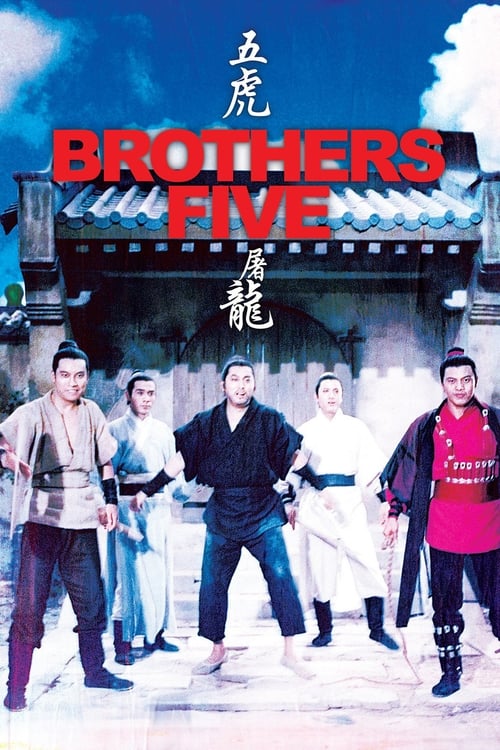
1970
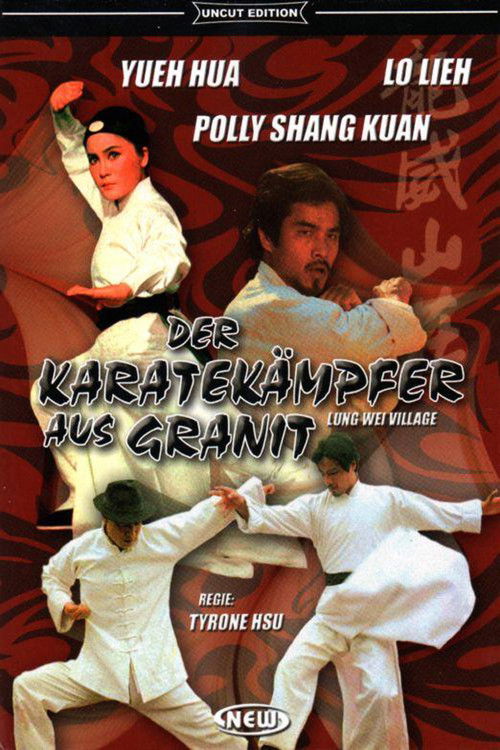
1977
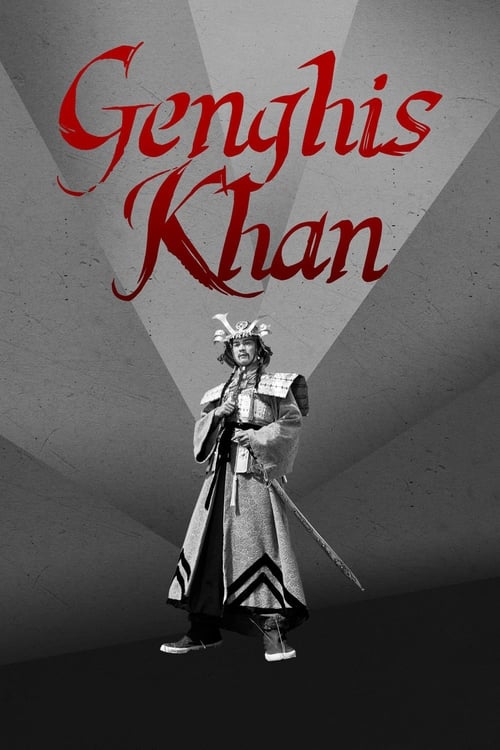
1950
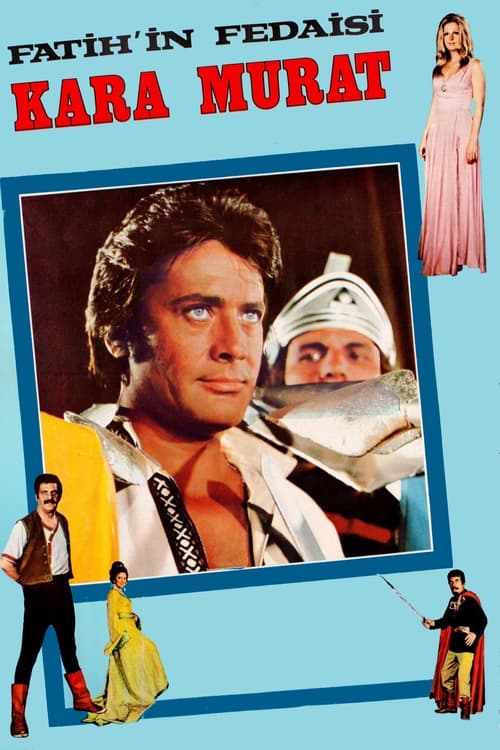
1972
1977
No reviews yet. Be the first to share your thoughts on this movie!
Use the rating form above to leave a star rating and optional review.