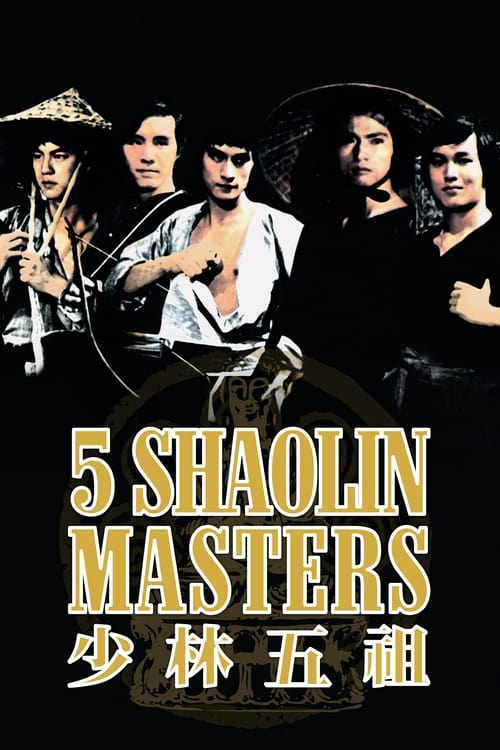
Five Shaolin Masters
1974
No user ratings available yet
Representation score: 5.1 out of 10
Representation Score
Limited
1979
RDirector
Chang Cheh
Runtime
91 minutes
Average Rating
No ratings yetNew Showbiz Analysis
Chang Cheh's film is a classic martial arts epic that emphasizes traditional masculine hierarchies and brotherhood. The narrative structure reinforces common clichés of heroism and patriarchal leadership typical of its time. While the film provides a culturally specific portrayal of Ming and Manchu conflicts, it lacks contemporary multi-layered depth. It functions primarily as a historical drama focused on classical moral codes rather than social critique. Overall, the film upholds traditional social structures. It centers on stylized violence and loyalty, offering little space for the representation of underrepresented identities or diverse social perspectives.
Category Breakdown
The film emphasizes male friendships and martial hierarchies. It does not depict non-straight or non-cisgender identities or same-sex relationships.
Men hold the majority of influential roles, while women play minor, peripheral parts without much impact on the main storyline.
Most actors are Han Chinese, reflecting the Qing Dynasty period. The story highlights ethnic tensions between Ming supporters and Manchu rulers.
The story centers on traditional values like family loyalty and respect for elders. It upholds a moral code emphasizing historical justice and brotherhood.
Characters with disabilities are shown as having limited influence. Physical injuries are presented as temporary setbacks without deeper exploration.
Present on Screen
Limited or Absent
Official Synopsis
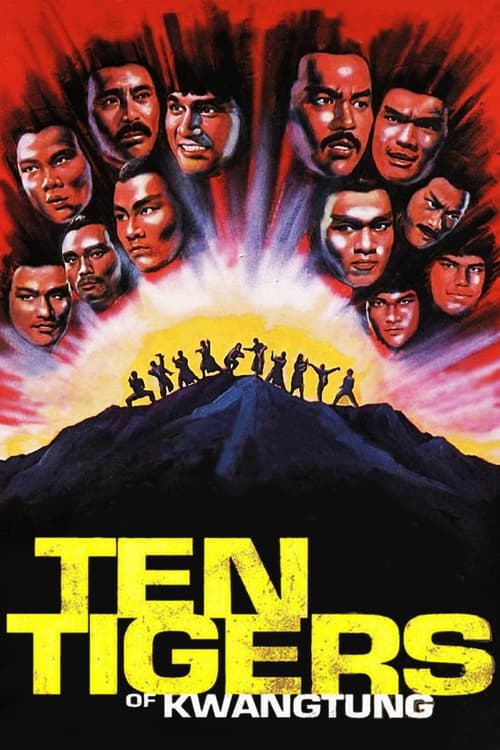
Ming partisan Chu who is on the run from Manchu forces. Local merchant and kung fu enthusiast Li Chen-chau gives the fugitive shelter in his pawnshop and quietly recruits some of his fellow martial master associates to help protect the lad. When Li's professional rival rats him out, Manchu official Liang not only orchestras his army but fools a couple other kung fu masters including Beggar Su into helping his cause. After a heated battle, Li manages to convince Su to joining his cause, thus forming the Ten Tigers.
1974
1967
1974
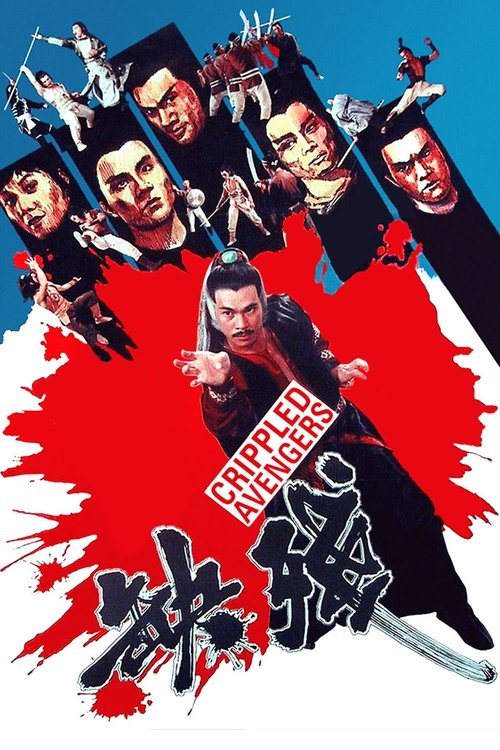
1978
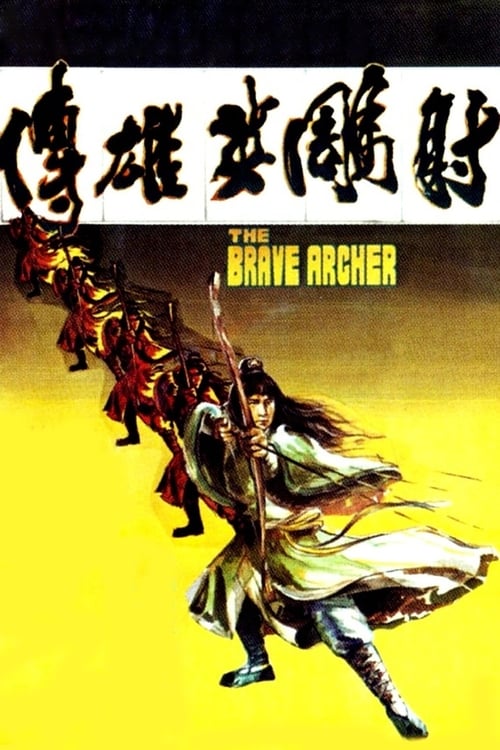
1977
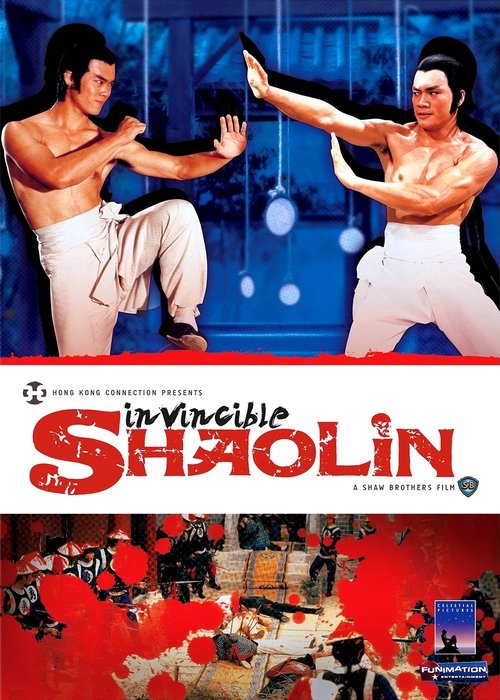
1978
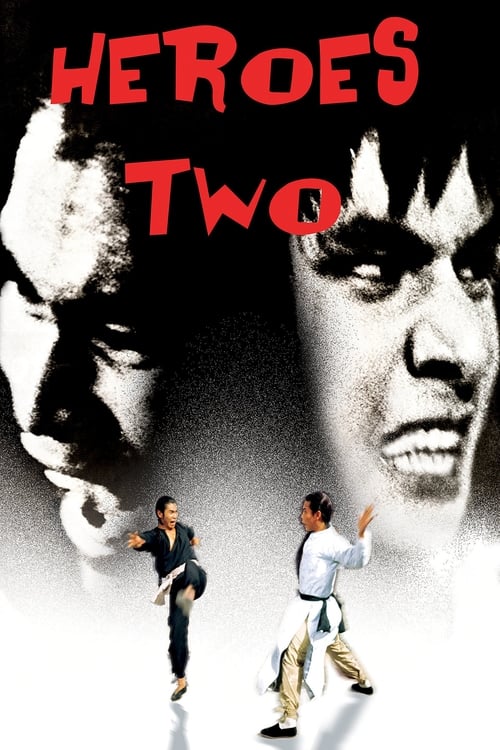
1974
1979
No reviews yet. Be the first to share your thoughts on this movie!
Use the rating form above to leave a star rating and optional review.