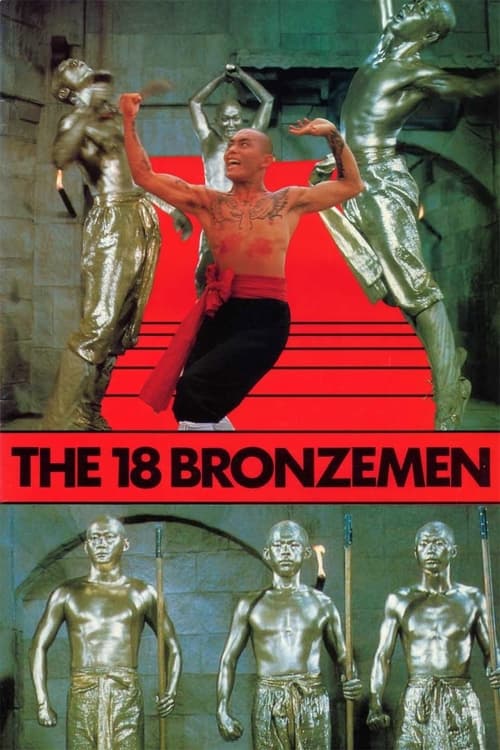
The 18 Bronzemen
1976
No user ratings available yet
Representation score: 2.6 out of 10
Representation Score
Minimal
1982
Not RatedDirector
Cheung Sing-Yim
Runtime
100 minutes
Average Rating
No ratings yetNew Showbiz Analysis
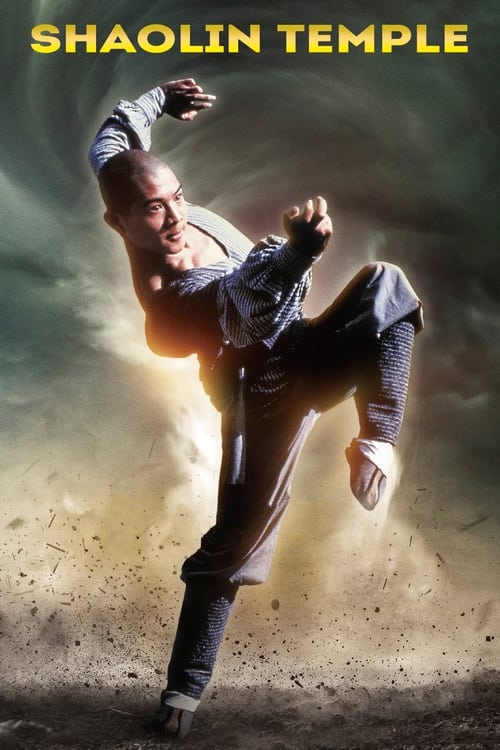
Shaolin Temple is a foundational martial arts epic that prioritizes genre authenticity and historical accuracy over challenging social hierarchies. The narrative is built on the reinforcement of traditional structures, including monastic discipline and patriarchal gender roles. While the film avoids whitewashing and offers a culturally significant perspective on Chinese martial arts, it does not incorporate progressive narrative elements. Instead, it follows a traditional path of justice and retribution against a traitorous general.
Category Breakdown
The film focuses solely on a group of male monks and does not include any LGBTQ+ identities or non-cisgender characters.
The story revolves around a traditional patriarchal structure where women are largely absent and the plot centers on male characters pursuing martial skills.
The cast and setting are culturally uniform, with a focus on East Asian identity and history.
The narrative emphasizes traditional monastic institutions and hierarchical structures, highlighting discipline and adherence to established authority through the Shaolin Temple.
The film does not feature characters with visible or invisible disabilities and focuses on the peak physical abilities of the main characters.
Present on Screen
Limited or Absent
Official Synopsis
The Tang emperor is betrayed by one of his generals, who installs himself as emperor in the East Capital. The son of one of his slave workers escapes to the Shaolin Temple, learns kung fu, and sets out to kill the traitor who killed his father.
1976
1976
1983
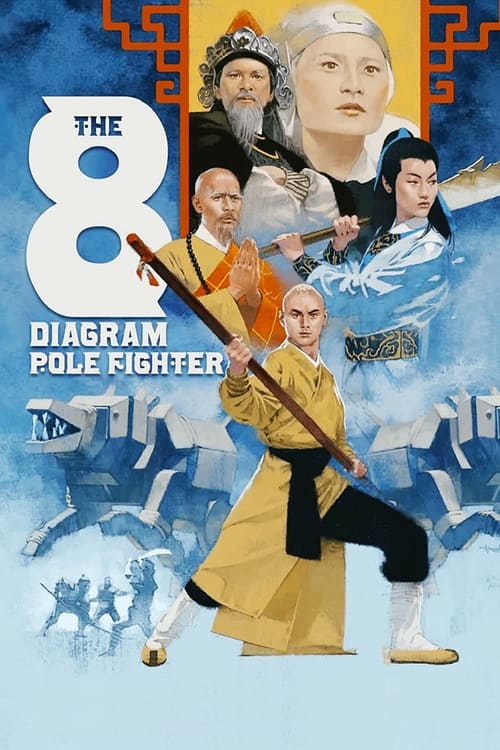
1984
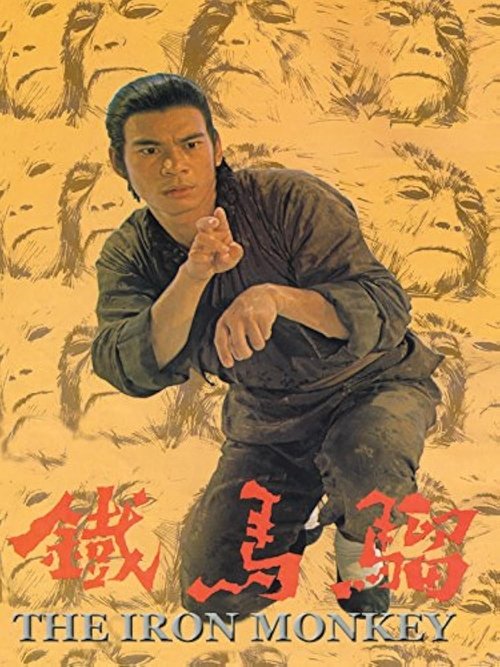
1977
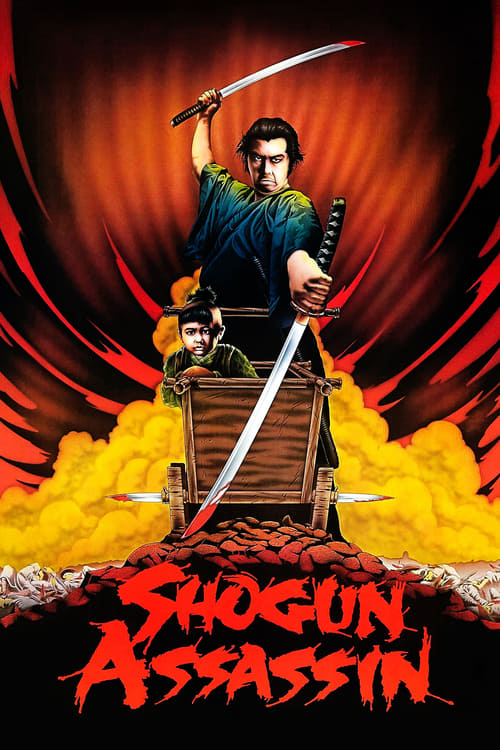
1980
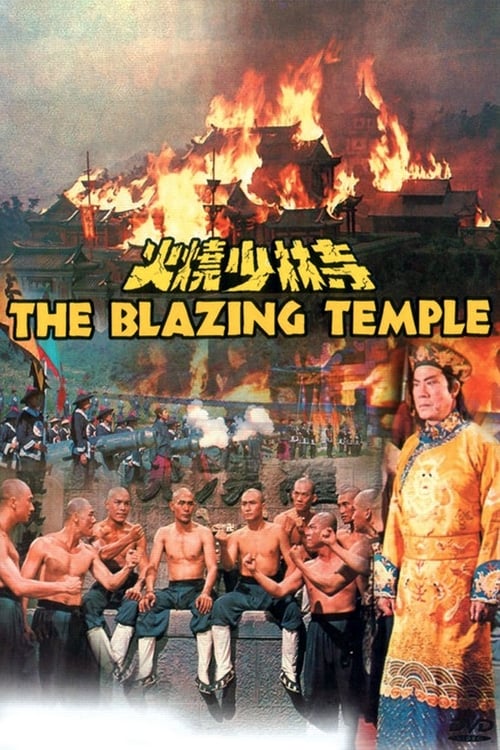
1976
1978
No reviews yet. Be the first to share your thoughts on this movie!
Use the rating form above to leave a star rating and optional review.