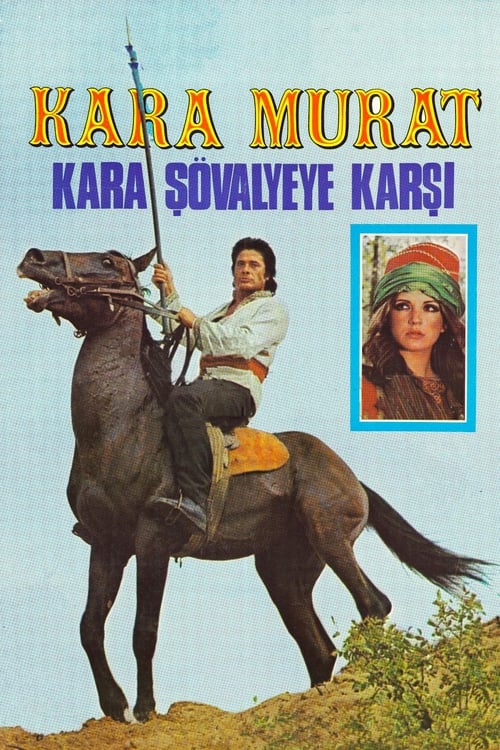
Kara Murat: Kara Şövalyeye Karşı
1975
No user ratings available yet
Diversity score: 2.8 out of 10
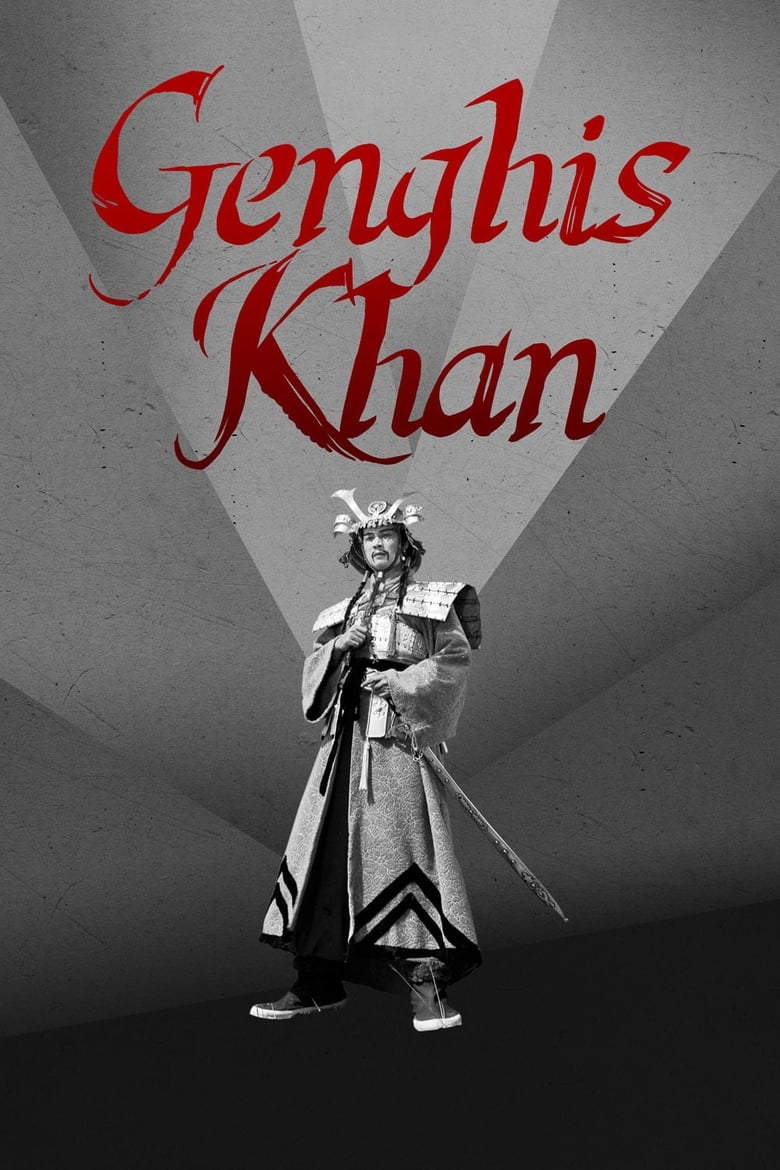
1950
Director
Manuel Conde
Runtime
88 minutes
Average Rating
No ratings yetSynopsis
Temujin, who later became Genghis Khan is wise, or sometimes cunning. He goes through several heroic episodes; competing at the Man of Men contest, falling in love with the enemy commander's daughter, and struggling to restore his demolished hometown. Meanwhile his steps guide him to be a great conqueror. Khan's witty, humorous side in his adolescent years before he takes the throne.
Overall Score
Limited
Category Breakdown
LGBTQ+ Representation
The film contains no discernible presence of non-heteronormative identities. Narrative arcs focus on traditional romantic tropes, such as the hero falling in love with an enemy's daughter.
Gender Representation
Agency is concentrated within the male protagonist, prioritizing male-driven conquest and leadership. Women appear primarily as romantic interests or figures within the domestic and tribal spheres.
Racial & Ethnic Diversity
The production utilizes a predominantly Filipino cast to portray Mongol and Central Asian figures. This localized casting disrupts Western-centric norms often found in international historical epics.
Religious & Cultural Diversity
The story focuses on tribal survival and shamanistic historical contexts rather than Western institutional values. However, it leans toward the glorification of conquest through classical epic storytelling.
Disability Representation
There is no evidence of characters with visible or invisible disabilities being portrayed with agency. No such characters serve as central narrative elements.
Strengths
Areas for Improvement
AI Analysis
Manuel Conde’s 1950 epic offers a fascinating cultural intersection by transposing a Central Asian history onto a Filipino cinematic framework. The film's most striking feature is its localized casting, which provides a non-Western reimagining of a historical figure. However, the narrative remains deeply tethered to traditional masculine hierarchies and mid-century action tropes. While the protagonist is given a nuanced personality, the film's social structure reinforces conventional gender roles and romantic archetypes. Ultimately, the film functions as a classical heroic epic. It prioritizes tribal lineage and the mechanics of conquest over any modern subversion of social or identity-based norms.
1975
1956
2018
2010
2007
2009
1975
1964
2012
2011
2013
2019
No reviews yet. Be the first to share your thoughts on this movie!
Use the rating form above to leave a star rating and optional review.