
Full Confession
1939
No user ratings available yet
Representation score: 1.9 out of 10

Representation Score
Limited
1934
NRDirector
Chester Erskine
Runtime
76 minutes
Average Rating
No ratings yetNew Showbiz Analysis
Midnight examines the tensions between socioeconomic classes and the fragility of justice. Though it offers nuanced portrayals of women facing adversity, the film adheres to the traditional and homogeneous style typical of early 1930s cinema. By placing the weight of the plot on female characters, the film challenges conventional crime drama clichés. However, its progress is constrained by the social hierarchies of the time and a lack of diverse casting. The narrative's focus on institutional critique is grounded in social realism, resulting in a narrow diversity profile.
Category Breakdown
The film doesn't depict any LGBTQ+ narratives or non-cisgender identities. Relationships and interpersonal dynamics follow the heterosexual norms of the 1930s.
Women play a central role in driving the plot, dealing with high-stakes legal and personal issues in a traditionally male-dominated genre.
The cast is predominantly white, typical of mainstream 1930s studio films. There are no characters of color in primary roles.
The story highlights the struggles caused by economic instability and the flaws in the legal system, focusing on the desperation and potential for errors in judgment.
The film does not show any characters with physical or neurodivergent disabilities.
Present on Screen
Limited or Absent
Official Synopsis
Jury foreman Edward Weldon's questioning leads to the death sentence for Ethel Saxon. His daughter Stella claims to have killed her lover, the gangster Garboni, just as Saxon was to sit in the electric chair.
1939
1958
1939
1940
1937
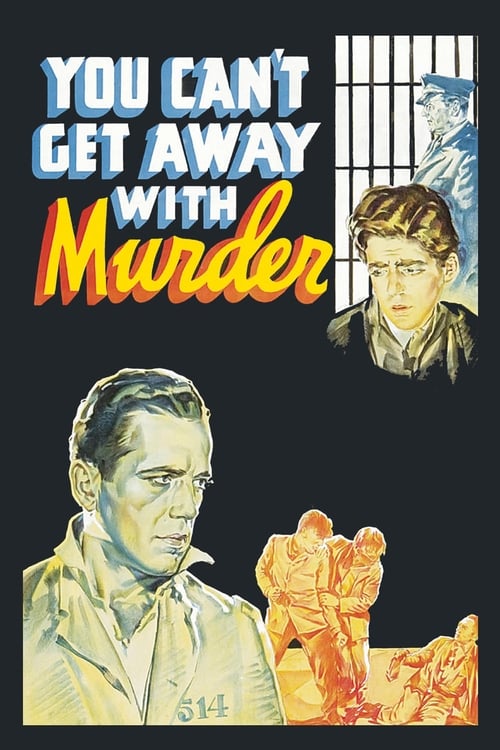
1939
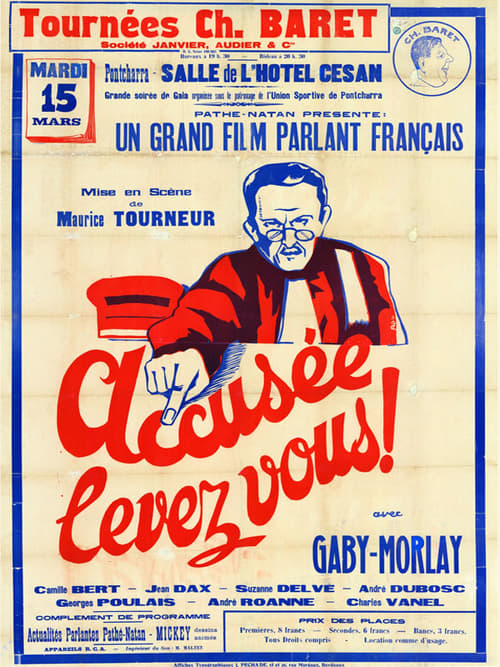
1930
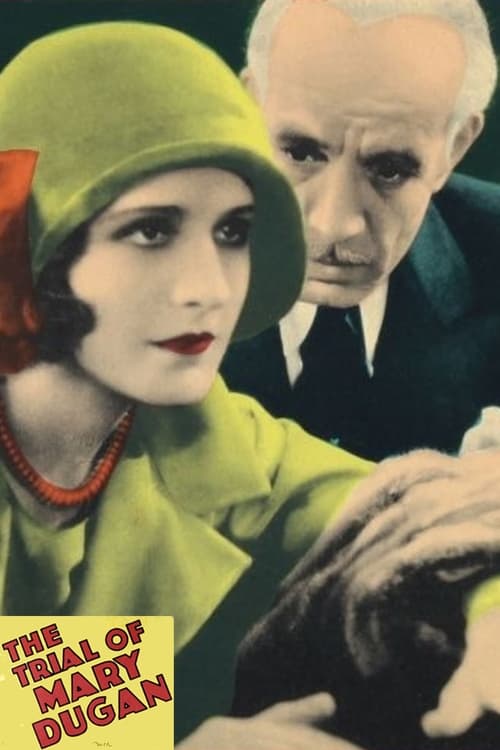
1929
No reviews yet. Be the first to share your thoughts on this movie!
Use the rating form above to leave a star rating and optional review.