
Who Cares
1971
No user ratings available yet
Representation score: 5.2 out of 10
Representation Score
Fair
1974
Director
Nick Broomfield
Runtime
60 minutes
Average Rating
No ratings yetNew Showbiz Analysis
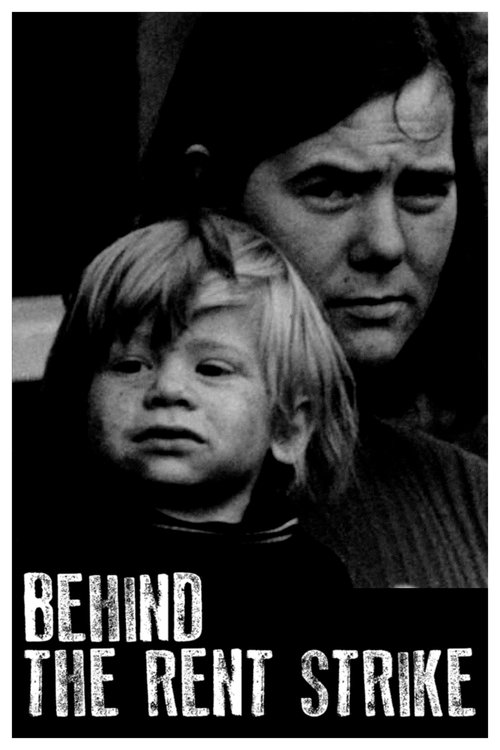
Behind the Rent Strike is a documentary study of systemic power dynamics and grassroots labor movements. Its primary value lies in documenting collective resistance against institutional authority and the Housing Finance Act. The film excels at framing state-mandated economic policies as oppressive forces, highlighting the ability to act of a underrepresented community. However, the work lacks specific visibility regarding individual identities. There is no clear evidence concerning LGBTQ+ representation, racial demographics, or disability inclusion within the provided context.
Category Breakdown
The film focuses on socio-economic struggles and housing policy. There is no explicit evidence of LGBTQ+ characters or narratives addressing non-straight relationships.
The narrative centers on collective tenant ability to act. While specific hierarchies aren't detailed, the focus on community-led leadership often challenges traditional patriarchal structures.
The setting is 1972 Liverpool, but the specific demographic composition of the strikers is not detailed. No specific evidence of diverse casting is provided.
The film critiques Western institutions by documenting resistance against state-mandated economic policy. It prioritizes the ability to act of underrepresented communities over established legal orders.
The provided information contains no data regarding the portrayal of individuals with physical or neurodivergent disabilities.
Present on Screen
Limited or Absent
Official Synopsis
Kirby, on the outskirts of Liverpool, England, October 1972. A chronicle of the fourteen-month strike by thousands of tenants to protest against the £1 increase in council house rents due to the Housing Finance Act.
1971

1977

1996
2000

2017

2002

1968

1984
No reviews yet. Be the first to share your thoughts on this movie!
Use the rating form above to leave a star rating and optional review.