
Juegos de alcoba
1971
No user ratings available yet
Representation score: 5.7 out of 10
Representation Score
Fair
1978
Director
Julio Bracho, Julián Soler, Miguel Morayta
Runtime
114 minutes
Average Rating
No ratings yetNew Showbiz Analysis
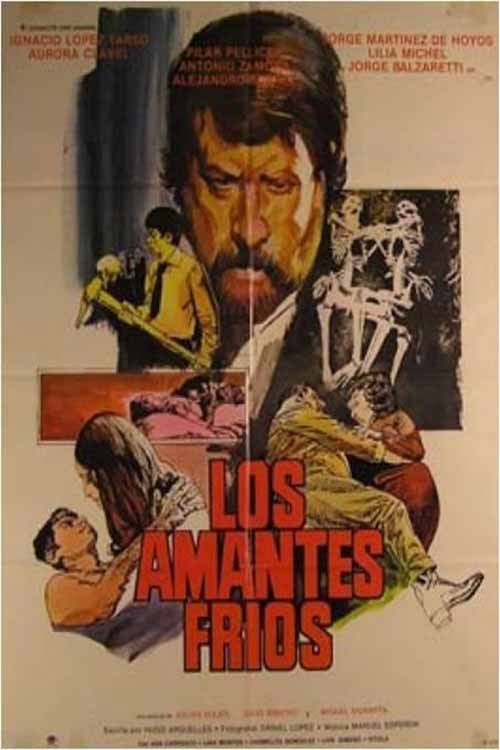
Los Amantes Frios offers a culturally specific perspective by centering Mexican filmmakers and a non-Western narrative structure. Its anthology format and cynical tone provide a departure from the earnest morality often found in mainstream cinema of the late 1970s. However, the film appears to rely heavily on traditional genre clichés. The comedic elements seem to depend on established gendered clichés and conventional social norms rather than actively challenging systemic hierarchies or prioritizing multi-layered identities. While the production successfully avoids Anglo-centric homogeneity, it lacks specific representation of non-straight-centered identities or characters with disabilities, functioning more as a genre exercise than a subversive social critique.
Category Breakdown
The film explores themes of desire and interpersonal tension through dark humor. However, it does not explicitly depict non-straight relationships, staying within conventional social norms.
Gender dynamics fuel the comedy in the film’s mix of sex and death. The narrative seems to rely on traditional gendered clichés rather than having female characters drive the plot through intellect.
As a Mexican production, the film centers a non-Western perspective. This provides a meaningful departure from the predominantly white casting standards found in mainstream Hollywood cinema of the time.
The use of black humor and an anthology format challenges traditional views of marriage and family. The film frames human nature through a lens of situational ethics using irony.
There is no evidence of characters with physical or neurodivergent disabilities within the narrative.
Present on Screen
Limited or Absent
Official Synopsis
Three-fer anthology of black-humor sex-n-death anecdotes.
1971
1978
1988
1980
1996

2004
1967
2011
No reviews yet. Be the first to share your thoughts on this movie!
Use the rating form above to leave a star rating and optional review.