
Going Places
1974
No user ratings available yet
Representation score: 4.3 out of 10
Representation Score
Excellent
1998
Director
Nicolas Boukhrief
Runtime
101 minutes
Average Rating
No ratings yetNew Showbiz Analysis
Nicolas Boukhrief’s film is a fragmented study of human impulse that avoids traditional storytelling. It succeeds by presenting a decentralized exploration of identity and sexuality, refusing to provide a sanitized or moralistic framework for its characters. The film excels in its moral relativism and its willingness to include non-straight relationships and sensory disabilities. These elements are integrated into the plot as essential components of the characters' struggles rather than mere peripheral devices. However, the film lacks clarity regarding its racial composition. While it avoids idealized social depictions, it does not provide enough evidence of intentional ethnic diversity to move beyond a moderate score.
Category Breakdown
The film explores homosexuality as a central theme, focusing on the complex and unpredictable nature of human desire. Non-straight relationships are presented as part of a diverse spectrum of sexual experiences.
The narrative challenges traditional gender roles by focusing on characters like a nurse and a wounded soldier. It emphasizes individual psychological drives over stable patriarchal structures or domestic settings.
The film includes characters from various social backgrounds. However, there is no clear indication of intentional racial diversity or a non-Anglo-Saxon majority.
The story disrupts conventional social order by centering on drugs and unconventional gratification. It prioritizes chaotic human experiences over traditional Western values like religious stability.
A deaf-mute character is included as part of the narrative. Disability is portrayed as a lived reality within the characters' pursuit of desire and ability to act.
Present on Screen
Limited or Absent
Official Synopsis
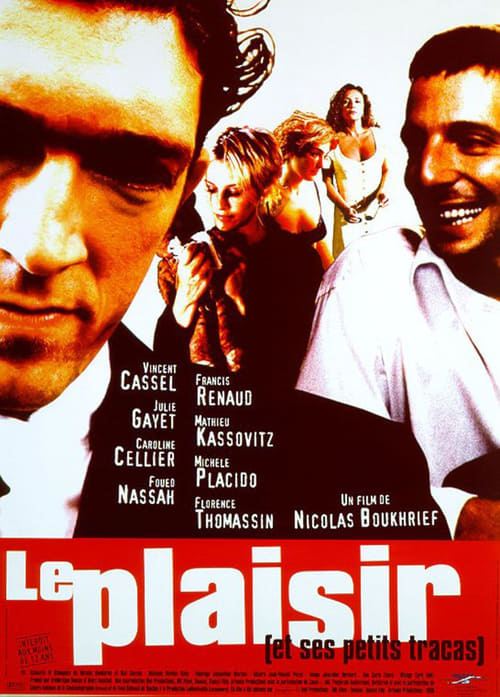
Seemingly unrelated events connect several people: a young wounded soldier, a nurse, a failed comedian, and a murderer. The film starts literally with a bang and ends with a strangulation. In between there are numerous events both strange and unpredictable involving drugs and homosexuality, a deaf-mute and a potential suicide. The odd characters assembled in this movie are each in their own way in search of sexual gratification.
1974
2001

1994
1997

2001

1998
1982
2014
No reviews yet. Be the first to share your thoughts on this movie!
Use the rating form above to leave a star rating and optional review.