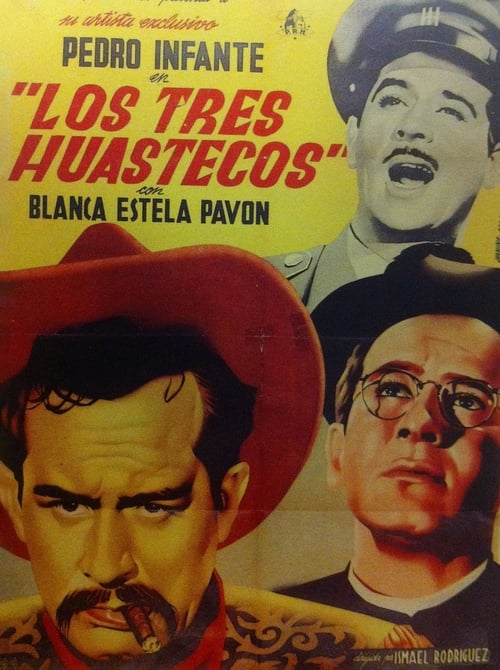
Los tres huastecos
1948
No user ratings available yet
Representation score: 1.3 out of 10
Representation Score
Fair
1985
Director
Rafael Villaseñor Kuri
Runtime
96 minutes
Average Rating
No ratings yetNew Showbiz Analysis
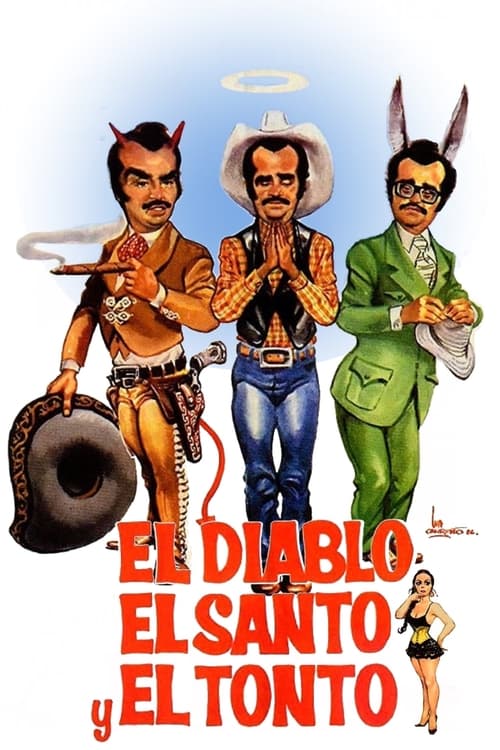
El Diablo El Santo Y El Tonto explores non-traditional family structures by breaking down the monolithic patriarchal legacy. It shifts away from idealized traditions to examine the complexities of illegitimate lineage and social class. While the film provides meaningful cultural representation through its Mexican roots, it remains limited in its subversion of gender and sexual norms. The narrative structure focuses heavily on male inheritance and the collapse of a traditional estate. Ultimately, the film serves as a study of social stratification and fragmented identity rather than a vehicle for multi-layered identity politics.
Category Breakdown
The film does not include any explicitly queer characters or non-straight relationships. Its focus on biological lineage reinforces traditional family structures.
The story revolves around a crisis involving male heirs and inheritance, critiquing masculine competence through a male-centric lens.
As a Mexican production, the film offers a non-Anglo-Saxon perspective. It explores social stratification and identity through regional dynamics.
The narrative questions the sanctity of the traditional family unit by focusing on illegitimacy. It presents a fragmented view of patriarchal legacy and familial duty.
There is no evidence of characters dealing with physical, neurodivergent, or mental health conditions in the provided narrative.
Present on Screen
Limited or Absent
Official Synopsis
When rancher, Don Trinidad is on his deathbed, he confesses to his fumbling son Rogelio, that he has two other illegitimate sons and that he wishes them to be included in his will. When Rogelio tracks them down, he discovers that each of them has a completely different life.
1948

1963
1988
1985
1948

2015
2022
1981
No reviews yet. Be the first to share your thoughts on this movie!
Use the rating form above to leave a star rating and optional review.