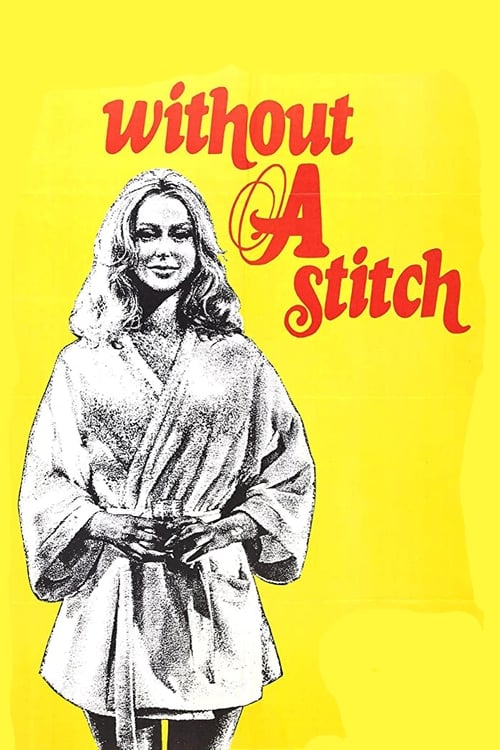
Without a Stitch
1968
No user ratings available yet
Representation score: 5.5 out of 10

Representation Score
Fair
1970
NC-17Director
Morton M. Lewis
Runtime
67 minutes
Average Rating
No ratings yetNew Showbiz Analysis
The film serves as a period piece capturing the transition from traditional social structures to the era of sexual liberation. Its primary progressive value lies in challenging traditional gender roles and embracing situational ethics. However, the work is limited by significant demographic homogeneity. The lack of depth in representing various identities and the absence of diverse communities keeps the overall score modest. While it challenges mid-century domestic hierarchies, it fails to engage with broader social critiques or provide representation for LGBTQ+, racial, or disabled communities.
Category Breakdown
The film focuses on the sexual revolution but does not feature central LGBTQ+ character arcs. Depictions remain largely tied to assumptions that everyone is straight or cisgender.
Female characters exhibit sexual autonomy and challenge older submissive archetypes. Kitty's pursuit of specific masculine traits indicates a shift in how female desire is framed.
The ensemble is predominantly white, reflecting the socioeconomic homogeneity of a high-society urban setting. It maintains a traditional Caucasian-centric cast typical of the era.
The narrative prioritizes secularism and individualistic pleasure over institutionalized ethics. It deconstructs traditional morality by framing casual encounters as comedic norms rather than transgressions.
There is no significant evidence of characters with visible or invisible disabilities. The focus remains strictly on the interpersonal sexual dynamics of an able-bodied ensemble.
Present on Screen
Limited or Absent
Official Synopsis
Stud's world revolves entirely around sex, sex, and more sex — an interest he shares with his way-out friends and his girl Kitty, who likes her men mean and muscular!
1968
1969
1973
1960
1972
1979
1968
1969
No reviews yet. Be the first to share your thoughts on this movie!
Use the rating form above to leave a star rating and optional review.