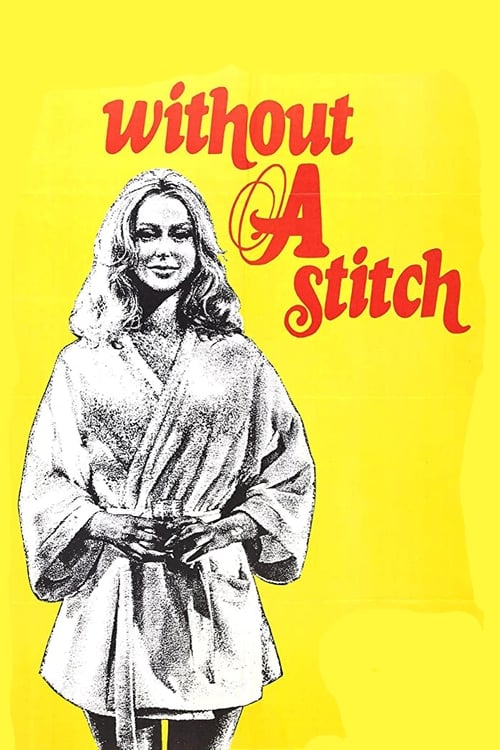
Without a Stitch
1968
No user ratings available yet
Representation score: 5.5 out of 10

Representation Score
Fair
1970
XDirector
Jörn Donner
Runtime
90 minutes
Average Rating
No ratings yetNew Showbiz Analysis
Portraits of Women is a film that prioritizes female autonomy and challenges traditional social norms. Its episodic format allows for a deep exploration of women's inner lives, making it a notable example of gender representation for its time. However, the film reflects its specific historical context. It lacks racial diversity, featuring a predominantly white cast, and offers limited focus on LGBTQ+ identities or disability representation. Overall, the film stands out as a critique of traditional institutions such as the nuclear family, using sexual autonomy to challenge the social order of the 1970s.
Category Breakdown
The film touches on themes of sexual liberation typical of its era but does not center on queer identities as a main storyline.
The story focuses on female subjectivity, emphasizing women's autonomy and control over their lives. This disrupts traditional patriarchal structures.
The cast is primarily composed of white and European actors, reflecting the homogeneous demographic of its Scandinavian setting. There is no indication of intentional racial mixing.
The film emphasizes individual morality and the dismantling of traditional social structures. It favors personal freedom over strict religious or conservative norms.
There is no apparent representation of physical or cognitive disabilities in the film.
Present on Screen
Limited or Absent
Official Synopsis
Finnish porn movie producer Pertsa returns from America to his home country to continue his profession with hopelessly small budgets and incompetent casts and crews. A self-ironic satire about director Donner's scandalous fame in late 1960s Finland, notorious for a graphic long shot of his penis pointing northeast.
1968

1966

2000
2003

2018

1972

2013
1992
No reviews yet. Be the first to share your thoughts on this movie!
Use the rating form above to leave a star rating and optional review.