Woman Times Seven
1967
No user ratings available yet
Representation score: 1.8 out of 10
Representation Score
Fair
1971
RDirector
Mario Bava
Runtime
83 minutes
Average Rating
No ratings yetNew Showbiz Analysis
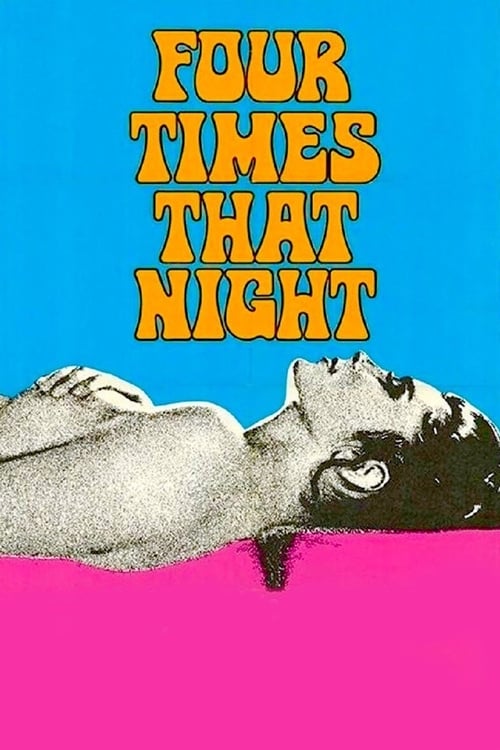
Mario Bava’s film uses a fragmented narrative to explore how truth depends on the observer. By presenting a single night through four distinct perspectives, the work challenges the idea of an objective reality. The film's strength lies in its psychological complexity. It moves away from a unified moral arc, instead prioritizing the subjective experiences of its characters. However, the film remains limited by the era's demographic norms. It lacks explicit representation of queer identities or significant racial diversity, functioning more as a study of perspective than diverse identity.
Category Breakdown
The film explores themes of seduction and psychological perception. Although it doesn't explicitly show queer identities, the multi-perspective structure allows for a potential challenge to traditional romantic archetypes.
By focusing on the female experience through her own perspective, the film offers a chance to challenge the male gaze. This approach gives the protagonist a significant role in shaping her own narrative.
The production reflects the demographic norms of 1971 Italian cinema. There is no evidence of significant racial blending or non-Anglo-Saxon majority casting within the film.
The inclusion of a psychoanalyst suggests an interest in secularism and psychological deconstruction. The narrative favors moral relativism over a singular, traditional moral truth.
The film provides no evidence regarding the portrayal of physical or neurodivergent disabilities.
Present on Screen
Limited or Absent
Official Synopsis
A night of attempted seduction is recalled from the perspectives of the woman, the man, a lecherous doorman and a psychoanalyst.
1967

1950

1967

1962

1967

1969

1964

1979
No reviews yet. Be the first to share your thoughts on this movie!
Use the rating form above to leave a star rating and optional review.