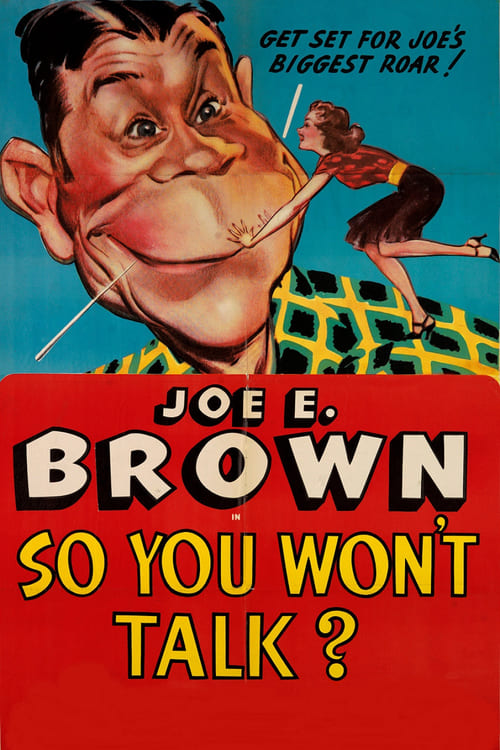
So You Won't Talk?
1940
No user ratings available yet
Diversity score: 2.4 out of 10
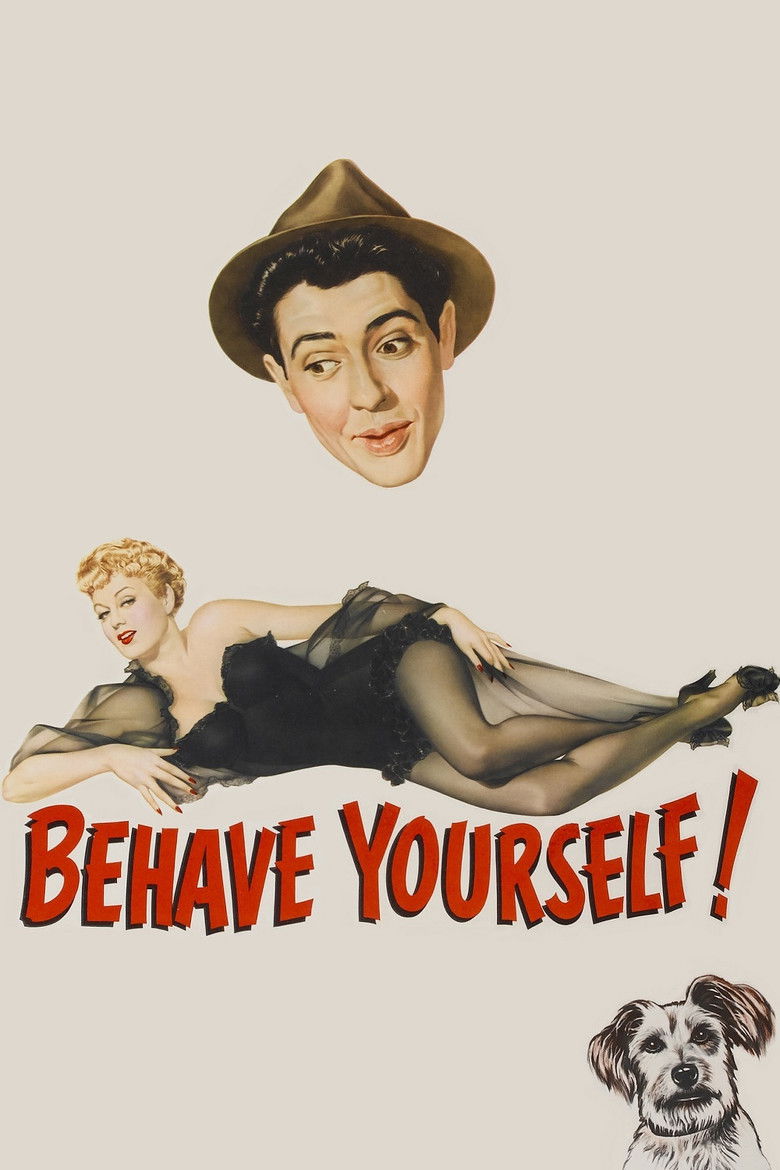
1951
NRDirector
George Beck
Runtime
81 minutes
Average Rating
No ratings yetSynopsis
A young man takes in a dog that turns out to be wanted by mobsters.
Overall Score
Limited
Category Breakdown
LGBTQ+ Representation
The film lacks LGBTQ+ characters or narratives. It adheres to the era's production standards, which typically precluded the depiction of non-cisnormative identities.
Gender Representation
The plot centers on a young man and his conflict with mobsters. This male-centric focus suggests traditional gender roles and hierarchies common to 1950s crime comedies.
Racial & Ethnic Diversity
The narrative follows a standard mid-century trope involving a man and organized crime. It appears to reflect the homogeneous white casting typical of the period.
Religious & Cultural Diversity
The story operates within a crime comedy framework that reinforces traditional concepts of law and order. It lacks critiques of systemic oppression or social stability.
Disability Representation
There is no mention of characters with visible or invisible disabilities. Consequently, no assessment of disability agency or trope usage is possible.
Strengths
Areas for Improvement
AI Analysis
Behave Yourself! is a product of the early 1950s studio system, prioritizing conventional genre structures over social subversion. The film relies on established tropes of crime and comedy that center on a homogeneous demographic. The narrative lacks intersectional depth, focusing instead on a male-driven plot involving a dog and mobsters. This results in a production that mirrors the era's standard social hierarchies rather than challenging them.
1940

1948
1942
1950
1938

1933
1954
1931

1958
1962
1996
1958
No reviews yet. Be the first to share your thoughts on this movie!
Use the rating form above to leave a star rating and optional review.