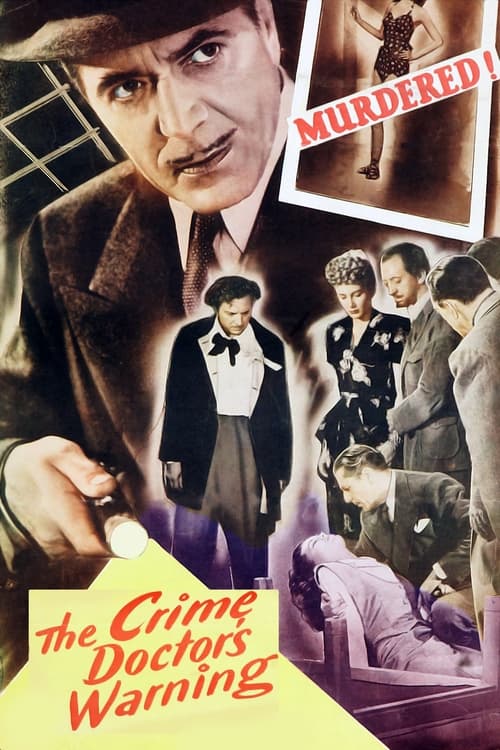
The Crime Doctor's Warning
1945
No user ratings available yet
Representation score: 1.8 out of 10
Representation Score
Fair
1962
Director
Leslie Norman
Runtime
116 minutes
Average Rating
No ratings yetNew Showbiz Analysis
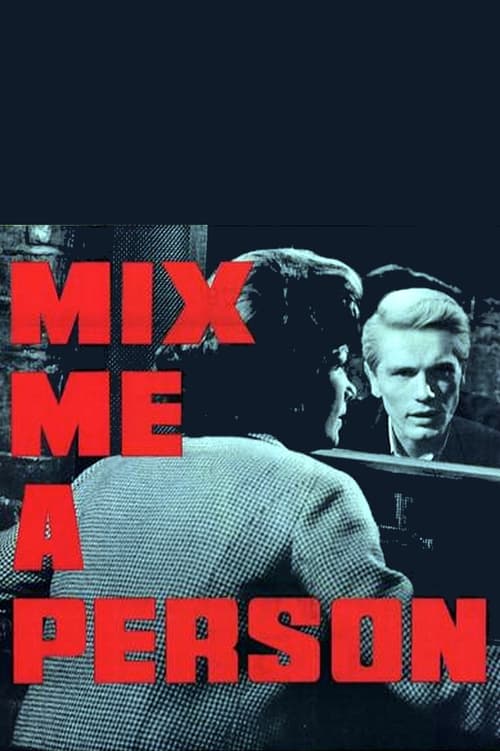
Mix Me a Person is a conventional mid-century psychological mystery. It centers on a legal and psychiatric dispute regarding criminal culpability, focusing on individual actions rather than broader critiques. The film offers a slight progressive edge by positioning a woman in a position of intellectual authority. However, the narrative remains largely confined to the social and institutional norms of its time. Ultimately, the work lacks the complexity needed to move beyond a standard genre piece.
Category Breakdown
The film does not include any LGBTQ+ characters or narratives, adhering to the assumption that everyone is straight or cisgender.
A female psychiatrist plays a central role, providing her with significant intellectual influence. This role challenges the male-dominated legal hierarchies of the era.
The narrative focuses on a traditional Western protagonist, suggesting a lack of racial diversity. It reflects the demographic homogeneity common in 1960s British crime cinema.
Themes are rooted in traditional Western legal and medical institutions. The film emphasizes professional expertise rather than offering a critique of these established systems.
The plot engages with mental health through the psychiatrist's investigation of the protagonist. It remains unclear if this explores neurodivergence with real depth or uses it as a plot device.
Present on Screen
Limited or Absent
Official Synopsis
Eighteen-year-old Harry Jukes is literally holding a smoking gun in his hand. His lawyer thinks he did it, but his psychiatrist disagrees -- and sets out to prove she is right.
1945

1946
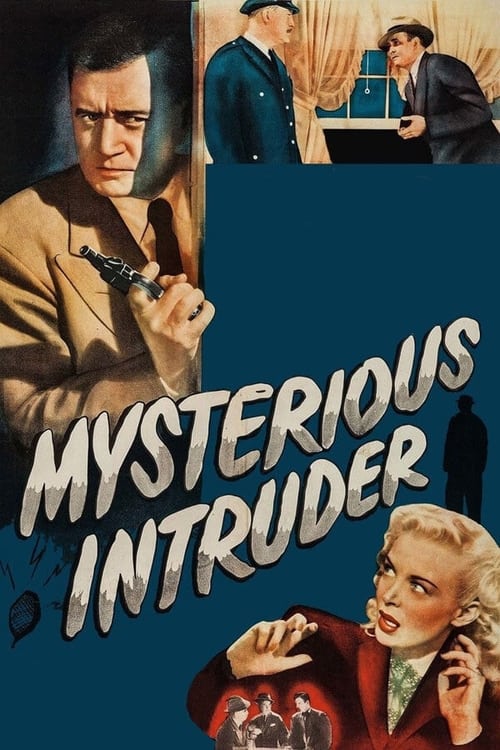
1946
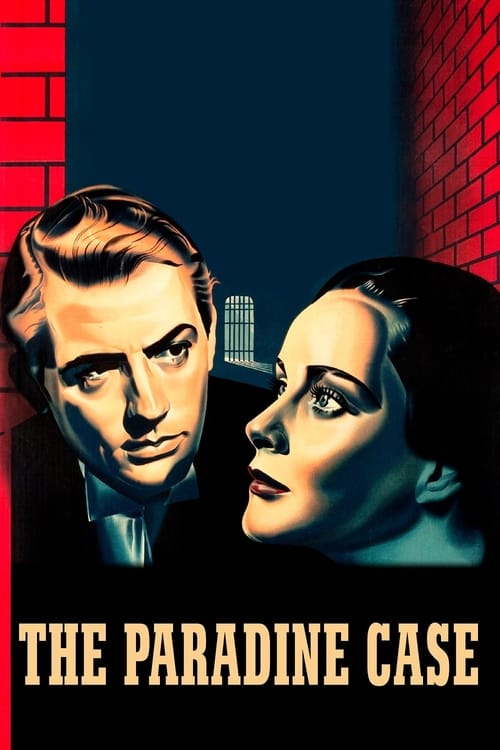
1947
1950
1964
1945
1947
No reviews yet. Be the first to share your thoughts on this movie!
Use the rating form above to leave a star rating and optional review.