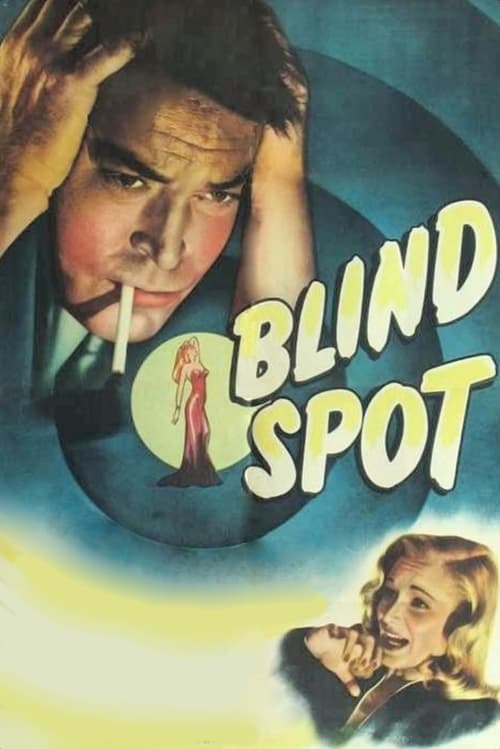
Blind Spot
1947
No user ratings available yet
Diversity score: 2.4 out of 10
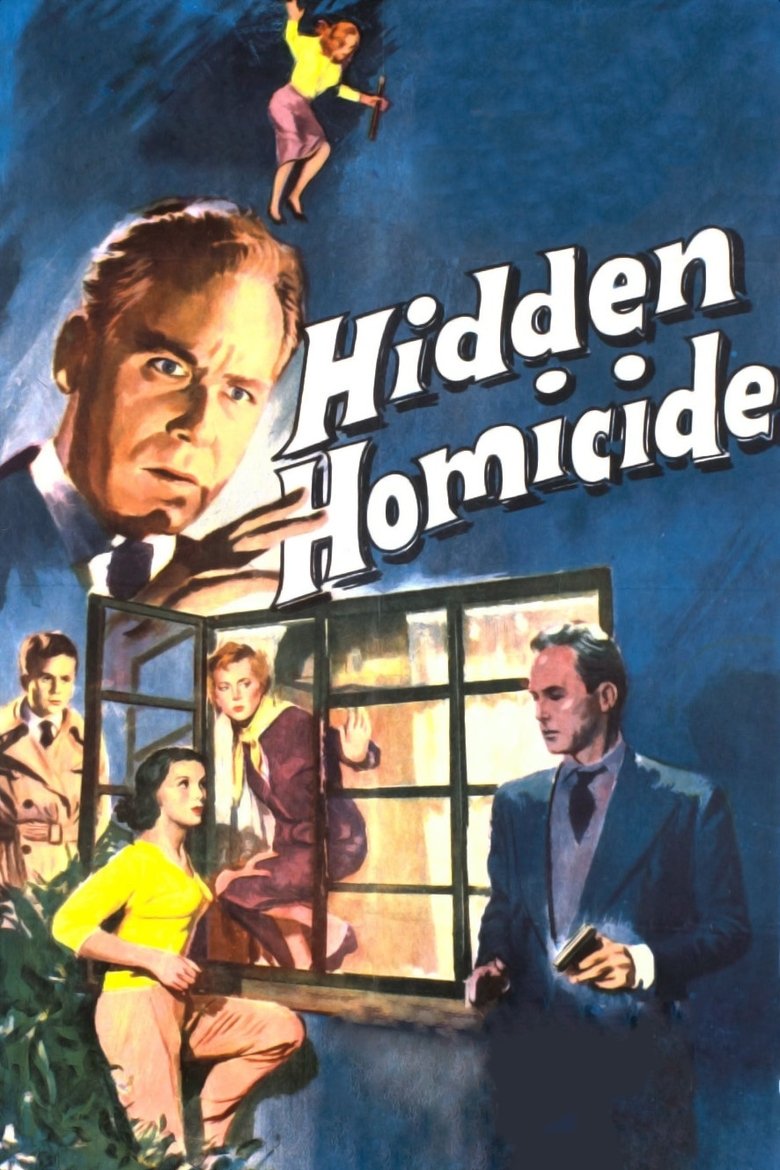
1959
NRDirector
Anthony Young
Runtime
70 minutes
Average Rating
No ratings yetSynopsis
A novelist wakes up with a gun in his hand and a corpse in the house he woke up in. He doesn't remember how he got there or even if he committed the killing.
Overall Score
Limited
Category Breakdown
LGBTQ+ Representation
The film lacks visible non-cisnormative identities or same-sex intimacy. It adheres to the heteronormative structures typical of 1959 crime cinema.
Gender Representation
Narrative agency is centered on a male novelist. There is no evidence of female characters with high agency or a subversion of traditional gender hierarchies.
Racial & Ethnic Diversity
The story appears to follow the homogeneous casting patterns common in mid-century studio filmmaking. No diverse ensemble or race-bent casting is present.
Religious & Cultural Diversity
The film operates as a standard crime procedural focused on individual guilt. It lacks critiques of Western institutions or progressive moral relativism.
Disability Representation
The protagonist's memory loss serves as a plot device rather than a nuanced exploration of neurodivergence. It lacks meaningful representation of disability.
Strengths
Areas for Improvement
AI Analysis
Hidden Homicide is a product of its era, strictly adhering to the mid-century crime mystery framework. The narrative focuses almost exclusively on a singular male protagonist, leaving little room for diverse perspectives or intersectional depth. The film prioritizes traditional genre tropes, such as individual psychological struggle and memory loss, over social commentary. This results in a production that reinforces the demographic and social norms of 1959 rather than challenging them.
1947
1945
1941
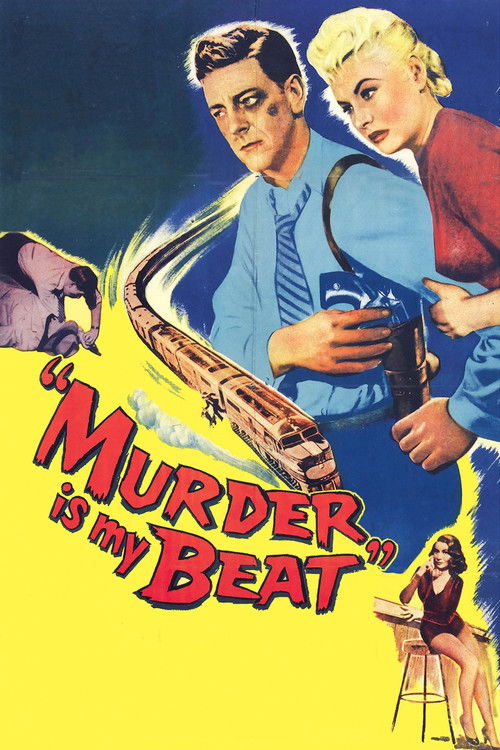
1955
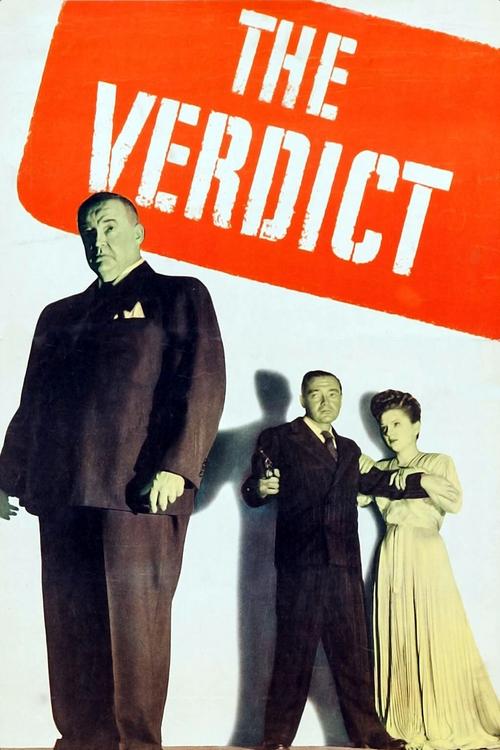
1946
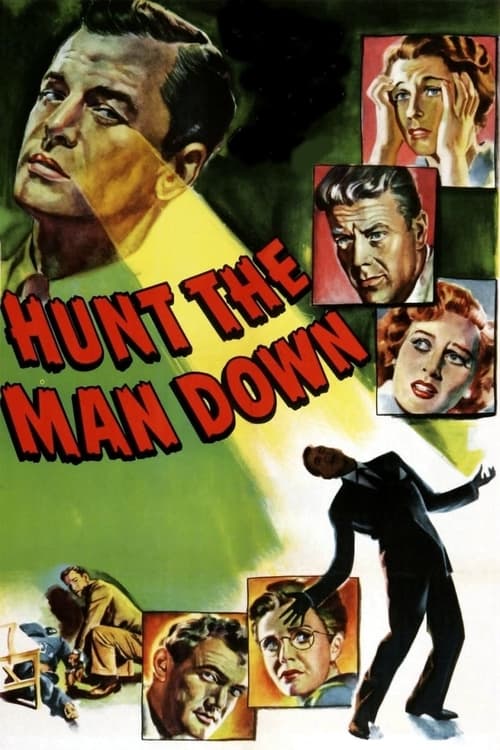
1950
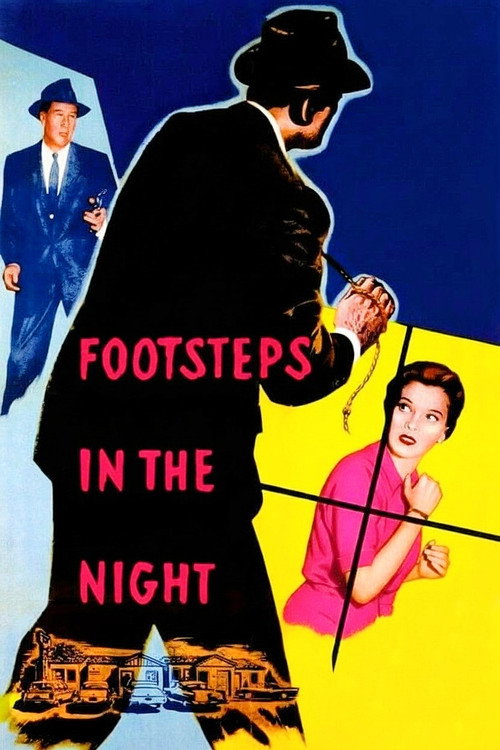
1957
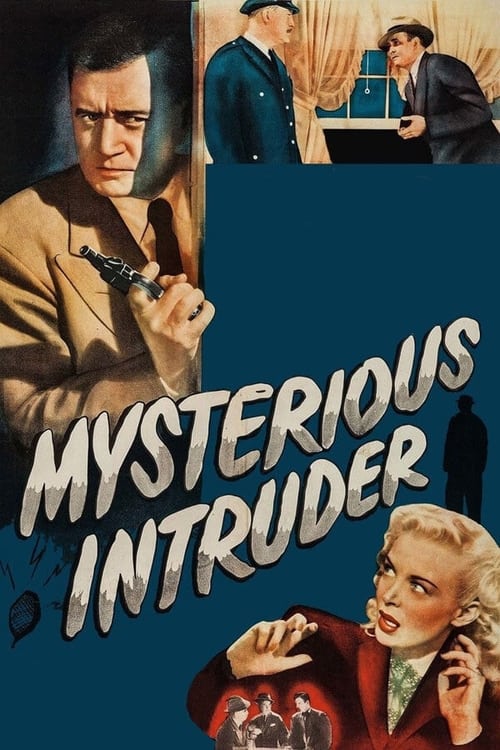
1946
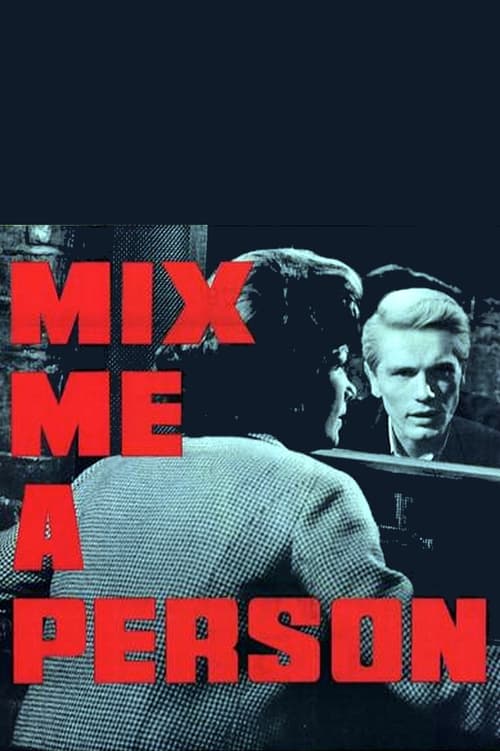
1962
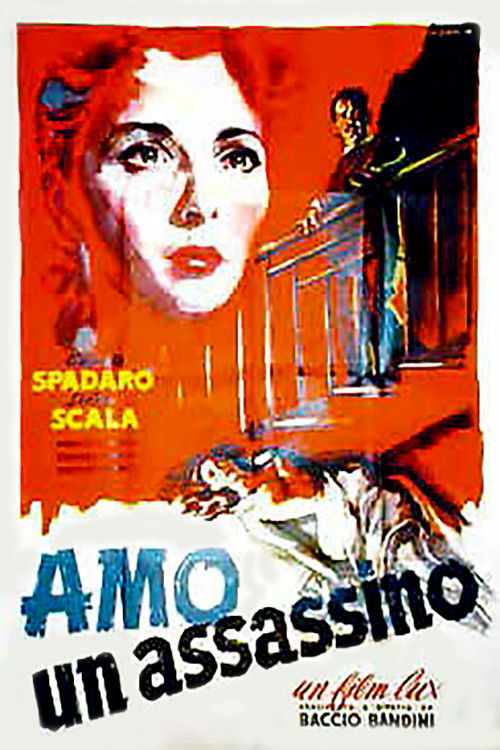
1952

1946
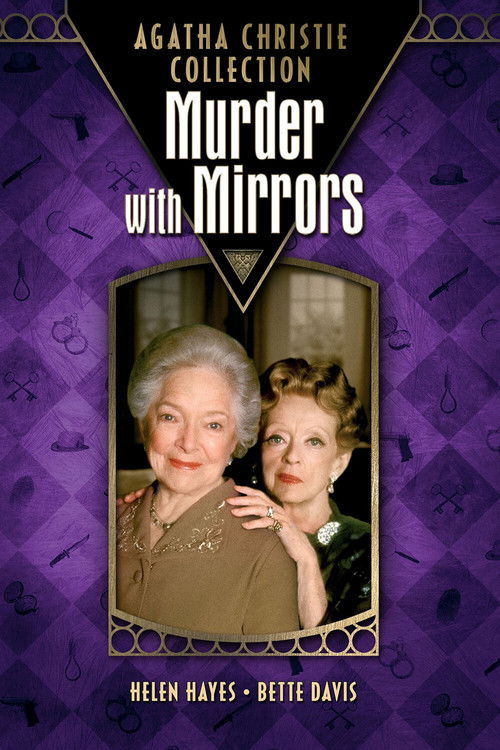
1985
No reviews yet. Be the first to share your thoughts on this movie!
Use the rating form above to leave a star rating and optional review.