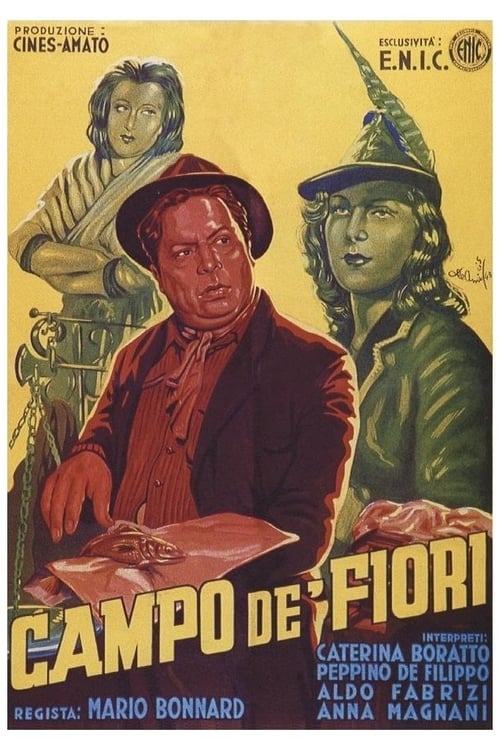
The Peddler and the Lady
1943
No user ratings available yet
Diversity score: 3.0 out of 10
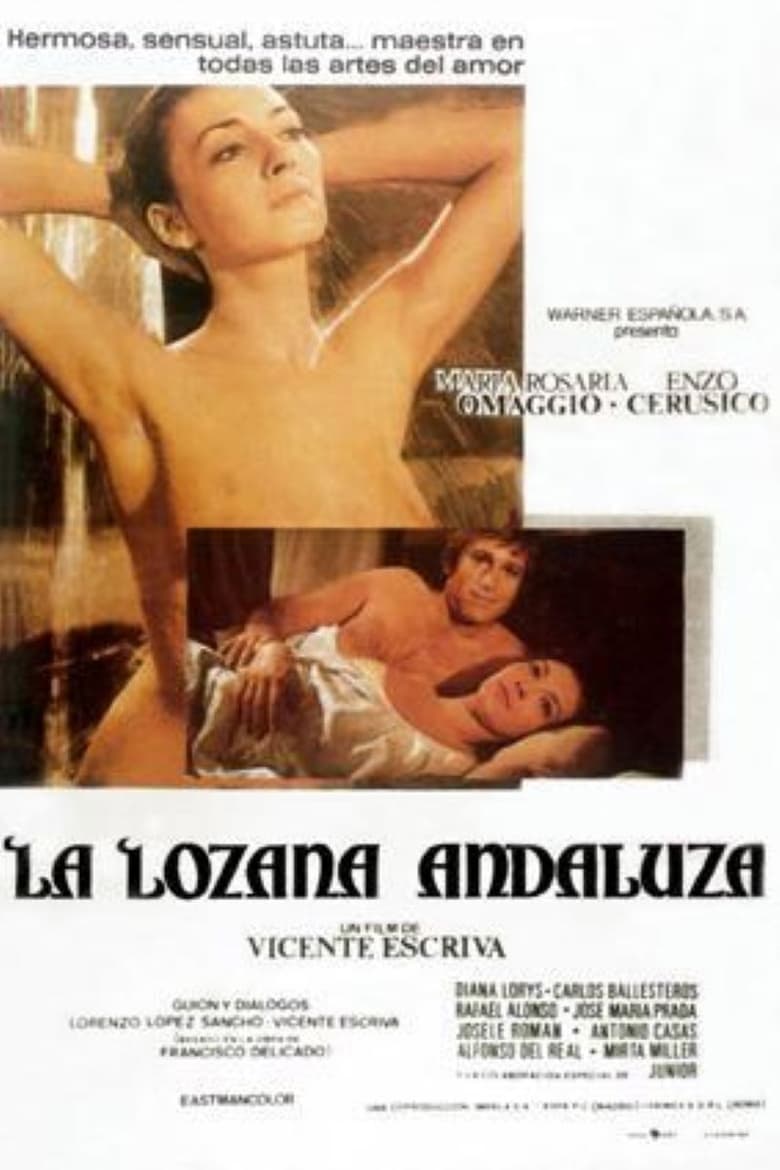
1976
Director
Vicente Escrivá
Runtime
98 minutes
Average Rating
No ratings yetSynopsis
In 16th century Rome, Rampín, a friendly and shameless rogue, exploits his arts of deception. He lives with his aunt, Napolitana, a pimp dedicated to the same trades as his nephew. With the arrival of a beautiful Andalusian, Lozana, her fortune enters their house by making her the most beautiful courtesan in Rome. Lozana and Rampín reach an agreement: he will be at her service, taking her lovers home, and she will treat him like a king and give him the best, something that others will never have. But one fine day, Don Sancho, a handsome Spaniard, falls in love with her.
Overall Score
Limited
Category Breakdown
LGBTQ+ Representation
The narrative focuses on heteronormative romantic pursuits and traditional courtship. There is no evidence of non-cisnormative identities or same-sex intimacy within the story.
Gender Representation
Lozana demonstrates significant intellect and agency by negotiating her social standing through strategic partnerships. While she avoids being a passive lead, the film still relies on traditional archetypes like the pimp.
Racial & Ethnic Diversity
The story explores regional distinction through an Andalusian woman in Rome. However, the cast remains largely homogeneous within a Western European context, lacking multi-ethnic complexity.
Religious & Cultural Diversity
Set in the 16th century, the film operates within rigid Catholic morality and class structures. It focuses on individual social climbing rather than deconstructing systemic institutions.
Disability Representation
There are no visible or invisible disabilities mentioned or depicted in the character descriptions.
Strengths
Areas for Improvement
AI Analysis
La lozana andaluza is a period comedy-drama that explores social mobility through transactional relationships. While the protagonist offers a degree of female agency that challenges passive tropes, the film remains tethered to traditional historical frameworks. The narrative architecture relies heavily on heteronormative romantic structures and conventional tropes of its era. This limits the film's ability to present a diverse range of identities or modern intersectional perspectives. Ultimately, the film functions as a study of Renaissance-era social climbing. It provides moderate character depth within a very conventional and homogeneous social paradigm.
1943

1974
1975
1972
1965
2009
1974
1981
1959
1934
2007
1999
No reviews yet. Be the first to share your thoughts on this movie!
Use the rating form above to leave a star rating and optional review.