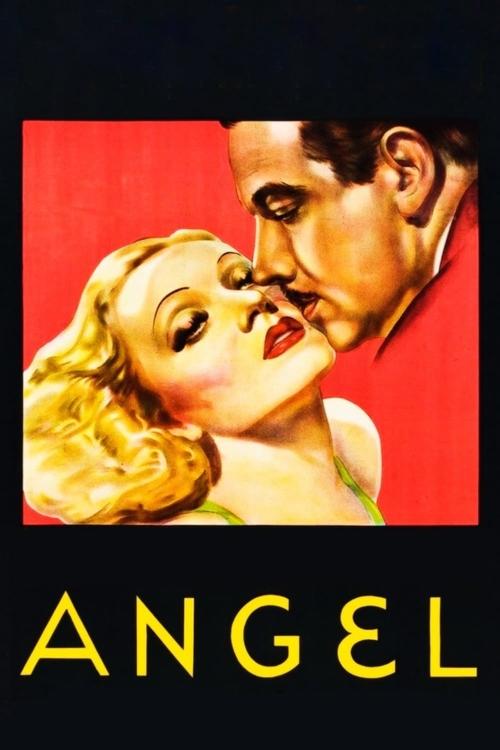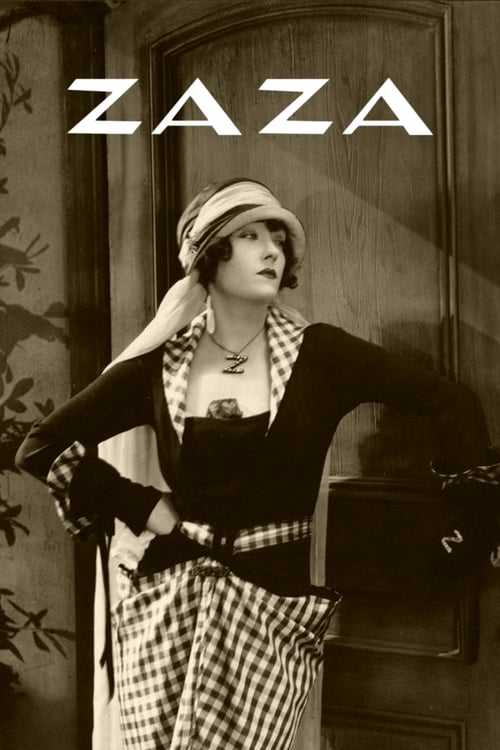
Zaza
1923
No user ratings available yet
Diversity score: 1.8 out of 10

1934
UnratedDirector
Alexander Korda
Runtime
89 minutes
Average Rating
No ratings yetSynopsis
What do women want? Don Juan is aging. He's arrived secretly in Seville after a 20 year absence. His wife Dolores, whom he hasn't lived with in five years, still loves him. He refuses to see her; he fears the life of a husband. She has bought his debts and will remand him to jail for two years if he won't come to her. Meanwhile, an impostor is climbing the balconies of Seville claiming to be Don Juan.
Overall Score
Minimal
Category Breakdown
LGBTQ+ Representation
The film contains no discernible queer subtext or non-cisnormative identities. Romantic conflicts are strictly limited to heteronormative dynamics between the protagonist and women.
Gender Representation
Male agency dominates the narrative through the 'seducer' archetype. While Dolores shows strength by managing Don Juan's debts, women primarily function as objects of pursuit or social stabilizers.
Racial & Ethnic Diversity
The cast is homogeneous, reflecting the era's standards for European period dramas. The story focuses on an aristocratic setting without integrating diverse ethnic perspectives.
Religious & Cultural Diversity
The film operates within traditional Western social structures like marriage and class hierarchy. It treats infidelity with comedic lightness rather than offering a critique of these institutions.
Disability Representation
There is no evidence of characters with physical or invisible disabilities. The narrative does not engage with neurodivergence or impairment.
Strengths
Areas for Improvement
AI Analysis
The film is a conventional period comedy that adheres to the social hierarchies and casting norms of the 1930s. It relies heavily on the 'rake' archetype, centering the plot on male romantic conquest and social transgression. While the film provides some female agency through Dolores's legal and financial maneuvers, the overarching structure remains rooted in traditional gender roles. The lack of intersectional complexity or diverse casting results in a low diversity profile. Ultimately, the production functions as a standard genre piece that reinforces established social norms rather than challenging them.
No reviews yet. Be the first to share your thoughts on this movie!
Use the rating form above to leave a star rating and optional review.