
Cascabelito
1962
No user ratings available yet
Representation score: 2.0 out of 10
Representation Score
Fair
1975
Director
Julián Marcos, Tomás Aznar
Runtime
0 minutes
Average Rating
No ratings yetNew Showbiz Analysis
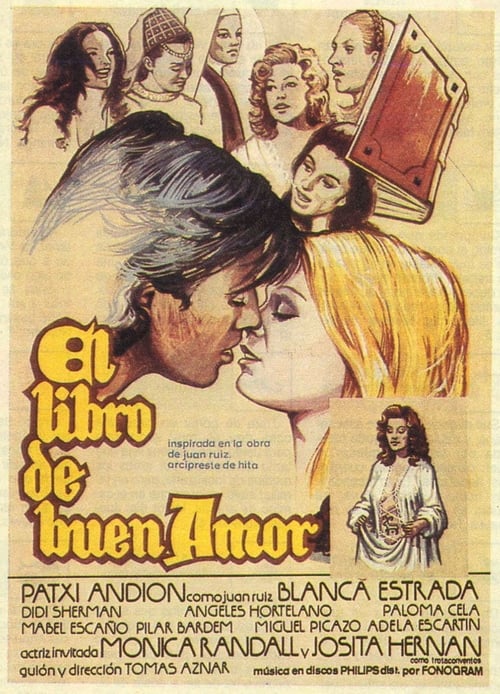
The film moderately explores historical and literary themes. It disrupts singular religious morality by using the skepticism found in its medieval source material. However, it adheres to the traditional demographic and social norms of mid-70s European cinema. It lacks visible progress in racial diversity and explicit LGBTQ+ representation. Overall, the work provides a nuanced cultural perspective on morality while staying rooted in the era's typical social homogeneity.
Category Breakdown
The film lacks clear evidence of queer identities or non-cisgender roles. Given the 1975 context, it may not explicitly confirm these identities due to censorship restrictions.
Women are portrayed as active, intelligent figures navigating patriarchal structures. If true to the source, it offers a critical look at female autonomy and intelligence within a medieval setting.
The representation appears uniform, reflecting the Mediterranean and Iberian demographics of the time. There is no indication of intentional inclusion of non-European or non-Anglo-Saxon identities.
The film uses satire to criticize religious doctrines and moral absolutes. By examining the tension between secular desires and Church teachings, it promotes a nuanced view of morality.
There is no documented evidence of characters with physical or neurodivergent disabilities.
Present on Screen
Limited or Absent
1962

1963
1974
2023

1974
2008
1941
1974
No reviews yet. Be the first to share your thoughts on this movie!
Use the rating form above to leave a star rating and optional review.