
The Gold of Naples
1954
No user ratings available yet
Diversity score: 4.9 out of 10
1959
Director
César Fernández Ardavín
Runtime
114 minutes
Average Rating
No ratings yetSynopsis
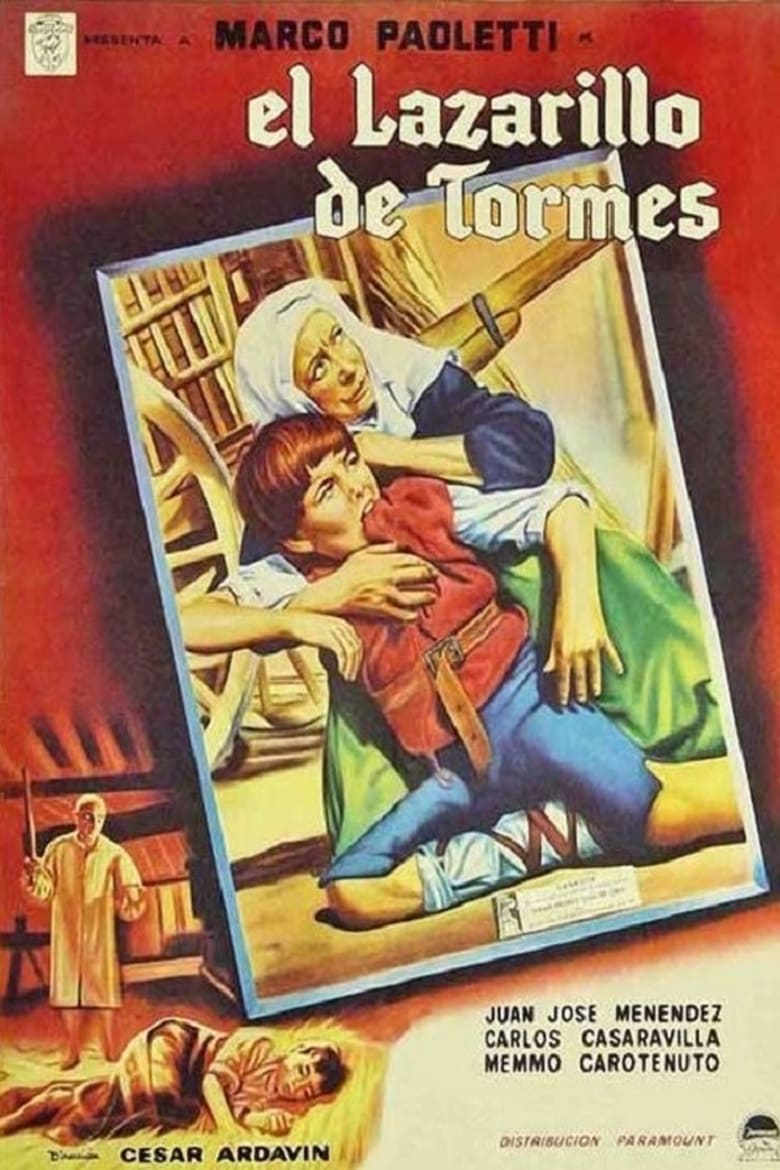
An adaptation of the anonymous sixteenth century novel Lazarillo de Tormes (1554), it tells the story of Lazarillo, a poor boy who has to live by his wits after being sold to a series of cruel masters.
Overall Score
Fair
Category Breakdown
LGBTQ+ Representation
The film focuses on a male-dominated social hierarchy. There is no evidence of non-cisnormative identities or same-sex intimacy within the narrative.
Gender Representation
The story operates within a patriarchal framework. Female characters occupy secondary roles and lack the agency to drive the central plot.
Racial & Ethnic Diversity
Casting reflects the historical homogeneity of 16th-century Spain. The film depicts a society defined by strict class-based distinctions rather than ethnic blending.
Religious & Cultural Diversity
The film provides a sophisticated critique of religious and social hierarchies. It portrays the clergy as hypocritical figures driven by greed rather than moral authority.
Disability Representation
The character of the blind man provides a significant depiction of physical disability. His sensory limitations are used to heighten the tension of the protagonist's survival.
Strengths
Areas for Improvement
AI Analysis
The film is a period piece that prioritizes systemic critique over modern demographic representation. While it lacks LGBTQ+ and gender diversity, it excels in its deconstruction of institutional power. The narrative uses the picaresque tradition to challenge the moral authority of the Church and the rigid class structures of Renaissance Spain. This provides a high level of cultural complexity. Disability is integrated meaningfully into the power dynamics, using the blind man's character to explore social vulnerability and the protagonist's survival tactics.
1954

1966
1981

1985

1974
1974

1986

2013

1954
1964

2008

1985
No reviews yet. Be the first to share your thoughts on this movie!
Use the rating form above to leave a star rating and optional review.