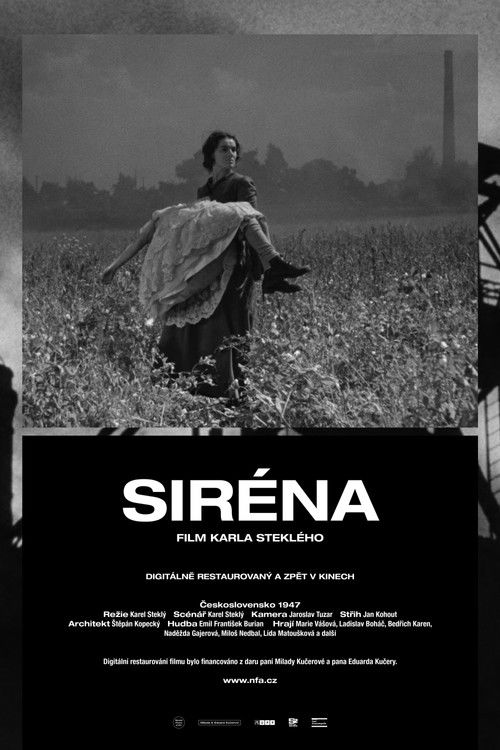
The Strike
1947
No user ratings available yet
Diversity score: 6.0 out of 10

1929
Director
Ilya Trauberg
Runtime
61 minutes
Average Rating
No ratings yetSynopsis
Chinese workers start a rebellion, arm themselves and take over the train on which they are travelling and manage to break through the frontier.
Overall Score
Good
Category Breakdown
LGBTQ+ Representation
The film lacks explicit depiction of non-heteronormative identities or same-sex intimacy. The narrative focus remains centered on collective labor struggle rather than individual identity politics.
Gender Representation
Female character arcs are unconfirmed, though the revolutionary theme suggests a subversion of domestic roles. Gendered roles likely exist within the context of political agency and collective struggle.
Racial & Ethnic Diversity
The film centers on Chinese workers as the primary drivers of the plot. By depicting them as armed revolutionaries, it disrupts colonial-era tropes that often relegate non-Western subjects to passive roles.
Religious & Cultural Diversity
The narrative aligns with anti-capitalist and anti-imperialist frameworks. It frames Western-aligned institutions and capitalist transit systems as oppressive forces to be dismantled through collective uprising.
Disability Representation
There is no documented evidence regarding the inclusion of characters with physical or neurodivergent disabilities.
Strengths
Areas for Improvement
AI Analysis
Blue Express is a significant example of early cinematic disruption that prioritizes the agency of marginalized groups. By centering Chinese workers in a rebellion against systemic oppression, the film challenges traditional power dynamics and colonial-era tropes. The film excels in racial and cultural representation, using the struggle of laborers to dismantle institutional hierarchies. This focus on collective action provides a sophisticated deconstruction of established social structures. However, the film lacks visibility regarding LGBTQ+ identities and disability representation. The narrative's heavy emphasis on class struggle and political revolution leaves little room for individual identity politics or diverse physical representations.
1947
1981
1929
1929

1970

1964
1932

1917
1963
1930
1959
1966
No reviews yet. Be the first to share your thoughts on this movie!
Use the rating form above to leave a star rating and optional review.