New York: Broadway at Union Square
1896
No user ratings available yet
Representation score: 1.0 out of 10
Representation Score
Minimal
1896
Director
Alexandre Promio
Runtime
1 minutes
Average Rating
No ratings yetNew Showbiz Analysis
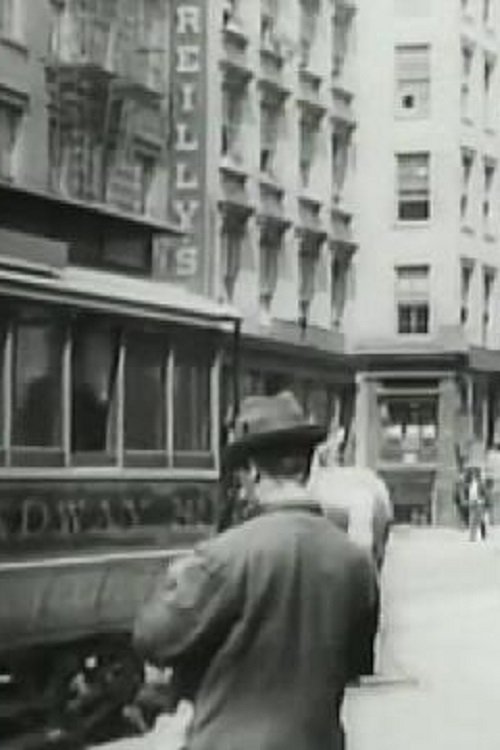
As an 1896 actuality film, this work serves as a historical record of urban life rather than a narrative designed for social commentary. It captures the movement of a metropolitan thoroughfare without the scripted elements needed for deeper representation. The film acts as a passive observer of late 19th-century social hierarchies. While it provides a glimpse into the multi-ethnic reality of Brooklyn, it lacks the character arcs or dialogue necessary to challenge the status quo. Ultimately, the footage reflects the historical norms of its time. It documents the bustling energy of a developing city without deconstructing its institutions or providing intentional representation for underrepresented groups.
Category Breakdown
The film does not include any explicit LGBTQ+ identities. Its focus on capturing public movement does not provide a narrative structure for representing queer experiences.
Women are shown as part of the urban crowd but do not have individual roles driving the story. They are depicted collectively rather than as main characters.
The footage offers a candid look at Brooklyn's multi-ethnic makeup. Although it is observational rather than intentional, it presents a non-staged view of diverse crowds.
The film documents the traditional Western urban experience and the capitalist energy of the era. It lacks modern ideological critiques or secular framing.
There is no evidence of characters with visible or invisible disabilities being portrayed with ability to act or as central figures.
Present on Screen
Limited or Absent
Official Synopsis
Brooklyn, Fulton Street
1896
1896
1896
1896
1896
1897
1896

1896
No reviews yet. Be the first to share your thoughts on this movie!
Use the rating form above to leave a star rating and optional review.