New York, Brooklyn Bridge
1896
No user ratings available yet
Representation score: 1.8 out of 10
Representation Score
Minimal
1896
Director
Alexandre Promio
Runtime
1 minutes
Average Rating
No ratings yetNew Showbiz Analysis
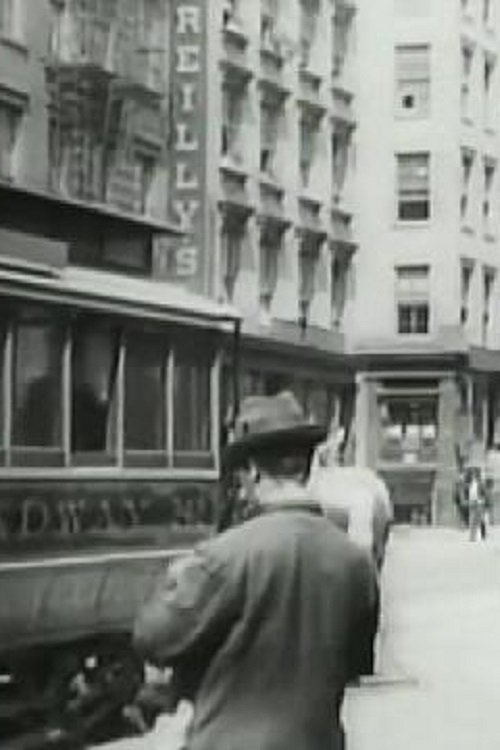
As a historical artifact of the Lumière era, this film serves as an ethnographic record rather than a narrative work. It captures the rapid urbanization of late 19th-century New York through naturalistic observation. While the film does not intentionally promote progressive themes, it offers a valuable glimpse into a pluralistic society. The presence of a multi-ethnic crowd marks a departure from the homogeneity found in much contemporary European cinema. Ultimately, the work functions as a neutral observation of the 1896 status quo. It documents the era's technological optimism and social structures without attempting to deconstruct or critique them.
Category Breakdown
This non-narrative documentary focuses on urban movement. It contains no characters, romantic pairings, or depictions of gender identity.
Men and women appear in period-appropriate attire within a shared public space. The footage adheres to 1890s visual norms without challenging gender hierarchies.
The footage captures a multi-ethnic crowd consistent with a major immigrant hub. It reflects the growing diversity of the American urban landscape.
The film highlights industrial progress and architectural achievements. It aligns with era-specific values emphasizing technological and civic optimism.
The footage focuses on the fluid movement of a crowd. There are no visible depictions of individuals with physical or neurodivergent disabilities.
Present on Screen
Limited or Absent
Official Synopsis
Passengers descend from the Brooklyn Bridge in New York.
1896

1896
1896
1896
1896

1896
1896

1896
No reviews yet. Be the first to share your thoughts on this movie!
Use the rating form above to leave a star rating and optional review.