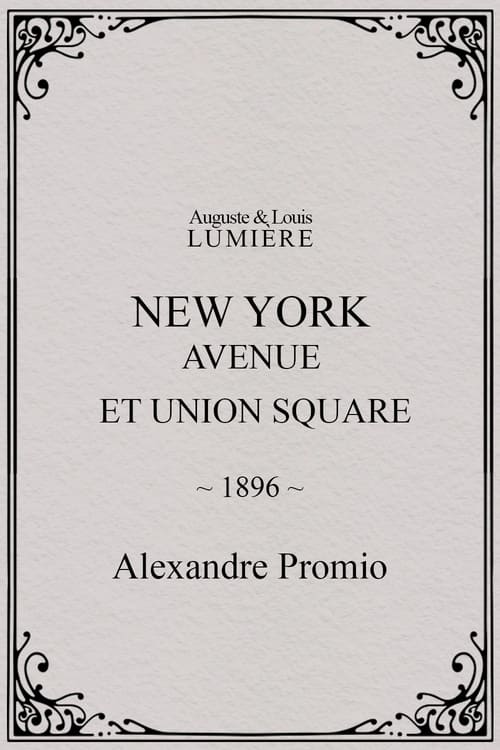
New York, Avenue et Union Square
1896
No user ratings available yet
Representation score: 1.6 out of 10
Representation Score
Minimal
1896
Director
Alexandre Promio
Runtime
1 minutes
Average Rating
No ratings yetNew Showbiz Analysis
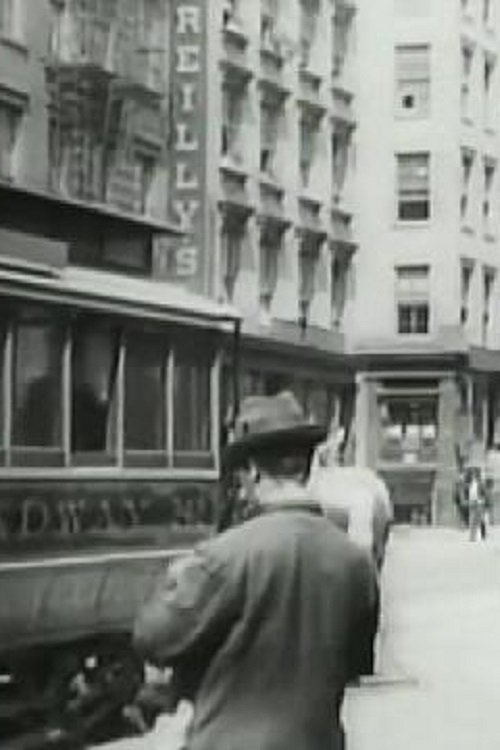
This 1896 documentary serves as a historical record of urban transit rather than a narrative work. Because it lacks scripted characters or intentional casting, it does not engage with contemporary frameworks of identity or systemic representation. The film functions as a candid snapshot of New York City's infrastructure and social environment. It captures the movement of pedestrians, carts, and trams without any ideological subversion or intentional social commentary. Ultimately, the work is a primitive observational artifact. It lacks the narrative structure necessary to address overlapping identities or challenge traditional social hierarchies.
Category Breakdown
The film is an observational study of street traffic without character-driven storylines or explorations of gender identity.
The footage captures a diverse array of pedestrians, but the medium limits the ability to analyze gender roles. It reflects the period's social norms without challenging traditional roles.
The footage likely captures a mix of individuals consistent with New York's historical demographics. This reflects the incidental diversity inherent to a major urban environment.
The film documents early Western industrial progress and capitalism. It records existing social and economic structures without offering critiques or promoting specific moral frameworks.
There is no evidence of characters with visible or invisible disabilities being portrayed with real influence. The focus remains on the general flow of commerce and transit.
Present on Screen
Limited or Absent
Official Synopsis
Pedestrians, carts and trams traffic, on Whitehall Street in New York.
1896
1896
1896
1896
1896
1896
1897
1897
No reviews yet. Be the first to share your thoughts on this movie!
Use the rating form above to leave a star rating and optional review.