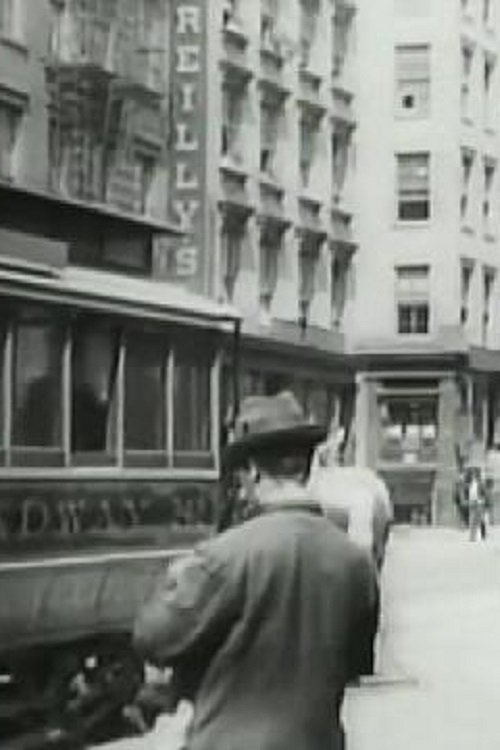
New York, Whitehall Street
1896
No user ratings available yet
Representation score: 0.8 out of 10
Representation Score
Minimal
1896
Director
Alexandre Promio
Runtime
1 minutes
Average Rating
No ratings yetNew Showbiz Analysis
This Lumière 'actuality' film serves as a historical record rather than a constructed narrative. It captures unscripted moments of life in 1896 New York, lacking character development or intentional themes. The low diversity scores are due to the film's age and the social norms of the time. The footage reflects the demographic realities of the late 19th century without modern efforts to promote inclusivity. Overall, the film provides an unfiltered look into the social landscape of the late 1800s without modern progressive intentions.
Category Breakdown
The film does not depict any LGBTQ+ identities or experiences. Public scenes show typical social interactions of the time, which are centered around straight relationships.
Women appear in the film but are shown in traditional roles such as pedestrians or homemakers. They do not have the power to challenge the societal norms of the late 19th century.
The footage captures the diverse population of New York City in 1896. However, the representation reflects the racial hierarchy of the time without making any effort to include multiple aspects of identity.
The film documents the urban development and early capitalism of New York City. It captures the cultural status quo without engaging in any critical examination of the society it depicts.
There are no depictions of individuals with visible or invisible disabilities. The film focuses on the general movement of crowds without highlighting any specific characters.
Present on Screen
Limited or Absent
Official Synopsis
Lumiere street scene.
1896
1897
1896
1897
1896
1896
1896
1896
No reviews yet. Be the first to share your thoughts on this movie!
Use the rating form above to leave a star rating and optional review.