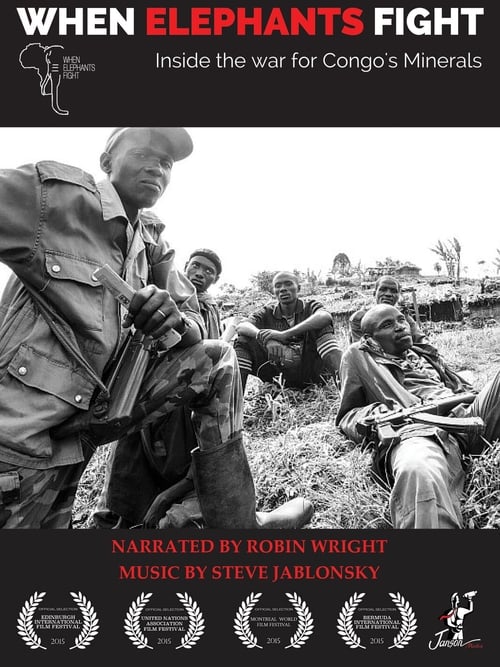
When Elephants Fight
2015
No user ratings available yet
Representation score: 3.7 out of 10
Representation Score
Good
2010
Director
Frank Piasechi Poulsen
Runtime
83 minutes
Average Rating
No ratings yetNew Showbiz Analysis
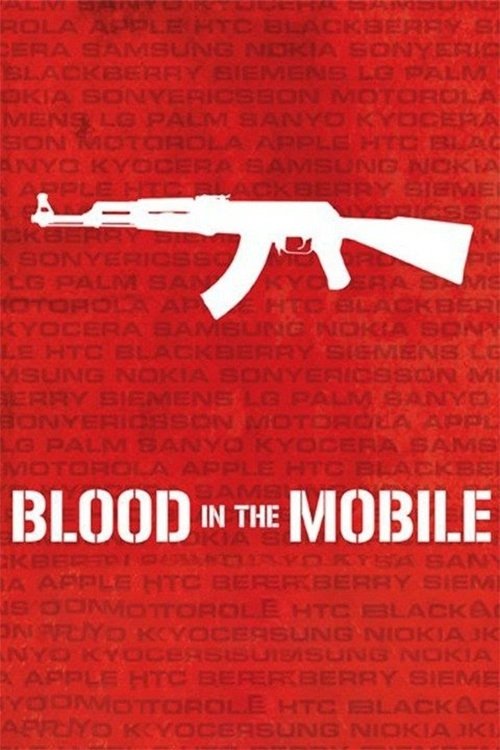
Blood in the Mobile is a rigorous investigative documentary that challenges power hierarchies between the Global North and the Global South. It uses a post-colonial lens to connect Western consumer habits with the exploitation of African resources. The film's strength lies in its profound critique of capitalist structures and its focus on the Congolese experience. It effectively disrupts conventional consumerist narratives by exposing the systemic violence embedded in everyday technology. While the film lacks specific representation for LGBTQ+ identities or disability empowerment, it provides a vital socio-economic critique. It successfully shifts the focus from Western consumers to the human cost of industrialization in the Congo.
Category Breakdown
The documentary focuses on the geopolitical and humanitarian crisis in the Democratic Republic of Congo. It contains no characters or narratives addressing LGBTQ+ identities or non-conforming gender identities.
The film highlights the systemic violence and sexual exploitation faced by women in the region. By centering these issues, the narrative disrupts traditional masculine-focused war depictions.
The narrative centers on Congolese people and indigenous populations working in tin mines. It avoids a Western-centric perspective by documenting the experiences and struggles of local communities.
The film critiques global capitalism and Western consumerism. It portrays the Western world as a complicit entity in a cycle of violence fueled by the demand for technology.
The depiction of child laborers in narrow tunnels serves as a commentary on physical harm. However, subjects are portrayed through systemic victimhood rather than individual empowerment.
Present on Screen
Limited or Absent
Official Synopsis
The production of phones has a dark, bloody side. The main part of minerals used to produce phones is coming from the mines in the Eastern DR Congo. The Western World is buying these so-called conflict minerals and thereby finances a civil war that, according to human rights organisations, has been the bloodiest conflict since World War II: During the last 15 years the conflict has cost the lives of more than 5 million people and 300,000 women have been raped. The war will continue as long as armed groups can finance their warfare by selling minerals. The Documentary Blood in the Mobile shows the connection between our phones and the civil war in the Congo. Director Frank Poulsen travels to DR Congo to see the illegal mine industry with his own eyes. He gets access to Congo s largest tin-mine, which is being controlled by different armed groups, and where children work for days in narrow mine tunnels to dig out the minerals that end up in our phones.
2015
2011
2007
2019
2017
2023
2006
2022
No reviews yet. Be the first to share your thoughts on this movie!
Use the rating form above to leave a star rating and optional review.