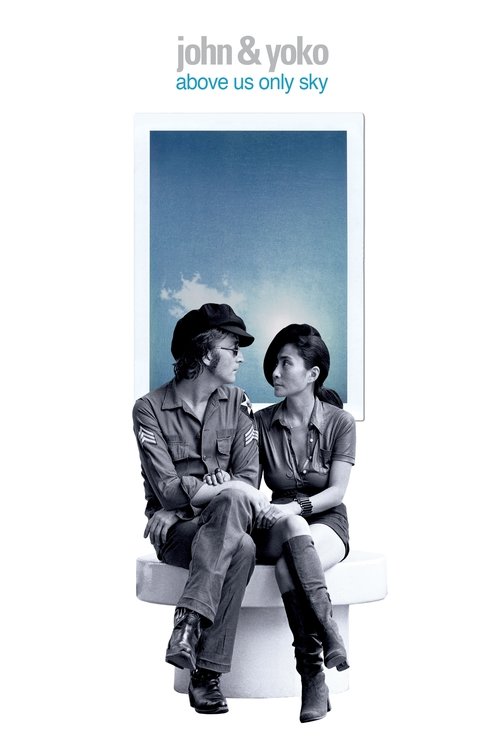
John & Yoko: Above Us Only Sky
2018
No user ratings available yet
Representation score: 8.0 out of 10

Representation Score
Fair
2010
Not RatedDirector
Michael Epstein
Runtime
115 minutes
Average Rating
No ratings yetNew Showbiz Analysis
LennoNYC avoids the typical pitfalls of music hagiography by shifting the focus from a singular male icon to a complex domestic partnership. It utilizes high-access archival material to humanize its subjects, moving beyond the polished image of a rock star to explore private, domestic realities. However, the film remains anchored in a specific, predominantly white cultural milieu of the 1970s. While it captures the spirit of counterculture, it does not explicitly engage with broader racial the way different parts of someone's identity overlap or LGBTQ+ identities.
Category Breakdown
The film focuses on the Lennon-Ono family unit rather than queer narratives. While it captures the 1970s counterculture era, it lacks explicit depictions of non-straight relationships.
Yoko Ono is presented as a primary agent and collaborator rather than a peripheral figure. The film challenges the 'muse' stereotype by granting her a significant role in driving the story and intellectual equality.
The subjects reflect the demographic realities of a specific 1970s Western creative class. While set in a culturally diverse New York, the primary focus remains on a predominantly white circle.
The documentary excels by deconstructing traditional celebrity structures and prioritizing personal truth. It captures an anti-establishment spirit that departs from polished, institutionalized rock star imagery.
There is no documented evidence regarding the portrayal of physical or neurodivergent disabilities within the film.
Present on Screen
Limited or Absent
Official Synopsis
This documentary takes an intimate look at the time Lennon, Yoko Ono and their son, Sean, spent living in New York City during the 1970s. It features never-before heard studio recordings from the Double Fantasy sessions and never-before-seen outtakes from Lennon in concert and home movies that have only recently been transferred to video. It also features exclusive interviews with Ms. Ono, who cooperated extensively with the production and offers an unprecedented level of access, as well as with artists who worked closely with Lennon during this period, including Elton John and photographer Bob Gruen (who took the iconic photograph of Lennon in front of the skyline wearing a “New York City” T-shirt).
2018
2021
1988
2011
2005

2000
1980
2007
No reviews yet. Be the first to share your thoughts on this movie!
Use the rating form above to leave a star rating and optional review.