That Click
2019
No user ratings available yet
Representation score: 4.4 out of 10
Representation Score
Fair
2016
NRDirector
Justin Bare, Matthew Miele
Runtime
87 minutes
Average Rating
No ratings yetNew Showbiz Analysis
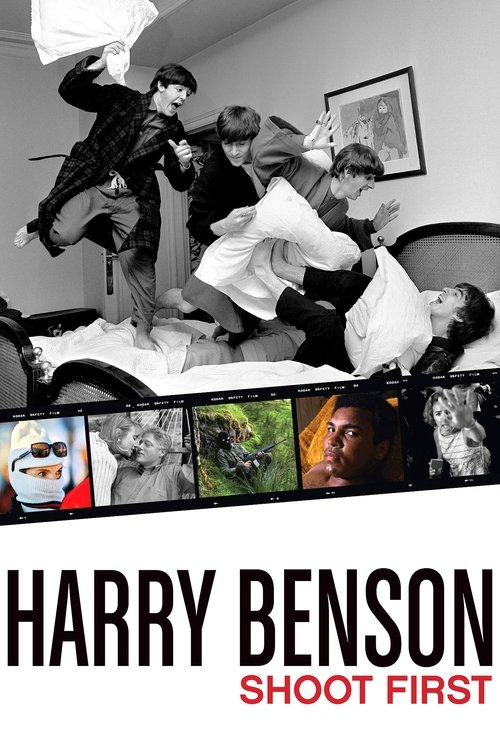
The documentary serves as a retrospective of 20th-century iconography, using Harry Benson's photography to explore shifts in celebrity and civil rights movements. Its strength lies in highlighting the roles of diverse historical figures. While the film excels in racial representation by focusing on figures like Dr. King and Muhammad Ali, it remains somewhat limited by the historical context of its subjects. The gendered perspective is also confined by the traditional viewpoint of portrait photography. Overall, the film functions as a vehicle for examining social visibility, successfully disrupting a purely Eurocentric view of fame through its focus on global cultural icons.
Category Breakdown
The film offers some representation influenced by the time period during which Benson worked. It explores personal stories but does not focus on explicit queer narratives or challenge assumptions about straight relationships.
The documentary highlights female icons from the mid-century era. However, these women are often portrayed through Benson's lens, which adheres to traditional standards of celebrity portraiture.
The film strongly represents racial diversity through Benson's work with Muhammad Ali and Dr. Martin Luther King Jr., highlighting the achievements and impact of non-white icons.
The narrative goes beyond simple admiration of celebrities by featuring rebellious figures and activists. The inclusion of Dr. King brings up themes of challenging systemic issues and social change.
There is no explicit depiction of physical or neurodivergent disabilities in the film.
Present on Screen
Limited or Absent
Official Synopsis
What we know today about many famous musicians, politicians, and actresses is due to the famous work of photographer Harry Benson. He captured vibrant and intimate photos of the most famous band in history;The Beatles. His extensive portfolio grew to include iconic photos of Muhammad Ali, Michael Jackson, and Dr. Martin Luther King. His wide-ranging work has appeared in publications including Life, Vanity Fair and The New Yorker. Benson, now 86, is still taking photos and has no intentions of stopping.
2019
2014
2014
2018
2017
2011
2018

2007
No reviews yet. Be the first to share your thoughts on this movie!
Use the rating form above to leave a star rating and optional review.