The Stone Roses: Made of Stone
2013
No user ratings available yet
Diversity score: 2.4 out of 10
2010
Director
Stephen Kijak
Runtime
61 minutes
Average Rating
No ratings yetSynopsis
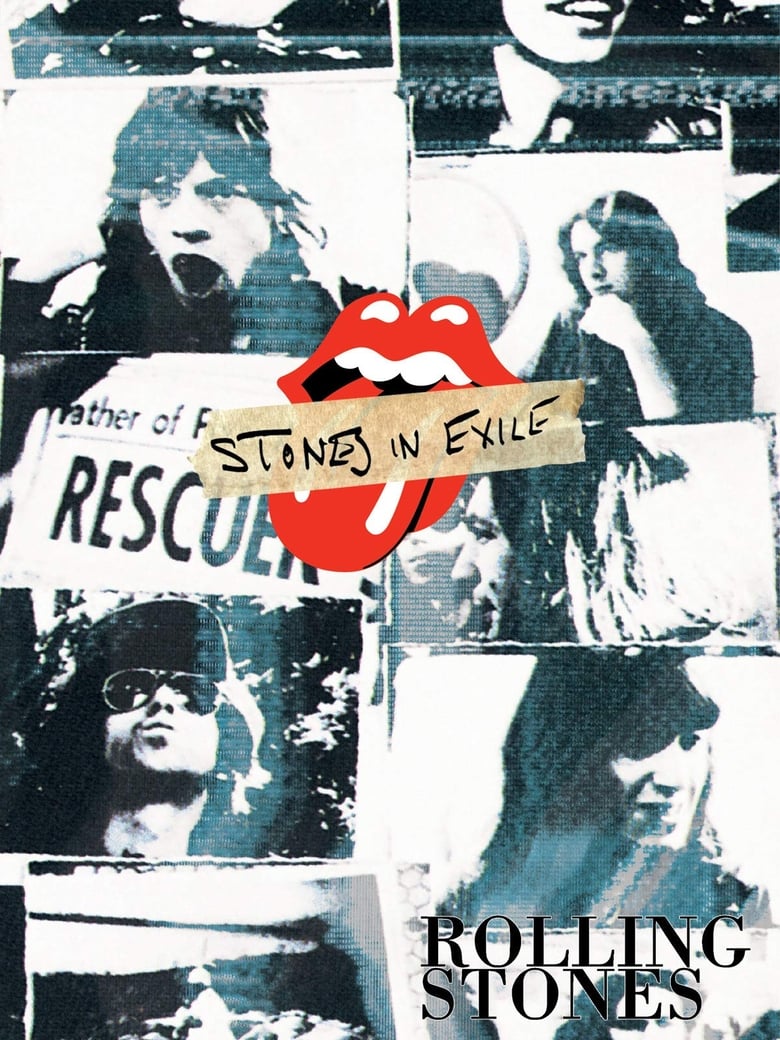
In 1971, to get breathing room from tax and management problems, the Stones go to France. Jimmy Miller parks a recording truck next to Keith Richards and Anita Pallenberg's Blue Coast villa, and by June the band is in the basement a few days at a time. Upstairs, heroin, bourbon, and visitors are everywhere. The Stones, other musicians and crew, Pallenberg, and photographer Dominique Tarle, plus old clips and photos and contemporary footage, provide commentary on the album's haphazard construction. By September, the villa is empty; Richards and Jagger complete production in LA. "Exile on Main Street" is released to mediocre reviews that soon give way to lionization.
Overall Score
Limited
Category Breakdown
LGBTQ+ Representation
The film centers on the immediate social circle of the Rolling Stones during the early 1970s. It does not focus on LGBTQ+ identities or non-cisnormative narratives, remaining tethered to the heteronormative social dynamics of the era.
Gender Representation
The narrative primarily documents a male-driven creative process. While women like Anita Pallenberg and Dominique Tarle possess significant cultural influence, the depiction of female fans reflects the traditional gender dynamics of the period.
Racial & Ethnic Diversity
The documentary captures a predominantly white, Anglo-Saxon rock milieu. While the band's musical foundations are rooted in African American blues, the visual focus remains on the white rock aristocracy of the 1970s.
Religious & Cultural Diversity
The film excels at documenting the deconstruction of traditional Western institutions. It portrays a lifestyle characterized by a disregard for conventional authority, religious morality, and standard socioeconomic stability.
Disability Representation
There is no significant focus on neurodivergence, physical disabilities, or mental health conditions. While the chaotic lifestyle implies health struggles, they are not framed through the lens of agency or identity.
Strengths
Areas for Improvement
AI Analysis
The documentary serves as a historical retrospective of a specific, historically homogeneous era. It prioritizes the documentation of the 1971 rock-and-roll lifestyle over demographic breadth or social commentary. While the film captures the anti-establishment sentiment and the rejection of traditional Western norms, it remains limited by the era's social landscape. The focus is on the white, male-dominated creative process and the specific social circle surrounding the band. Ultimately, the film functions as a period-specific record. Its lack of diversity is a reflection of its commitment to capturing the authentic, albeit narrow, environment of the early 1970s rock scene.
2013

2005

2014
2018

2014
2010

1995
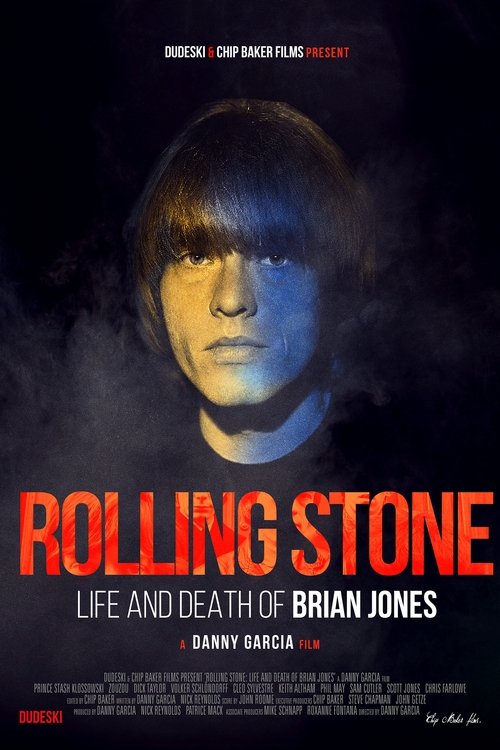
2019
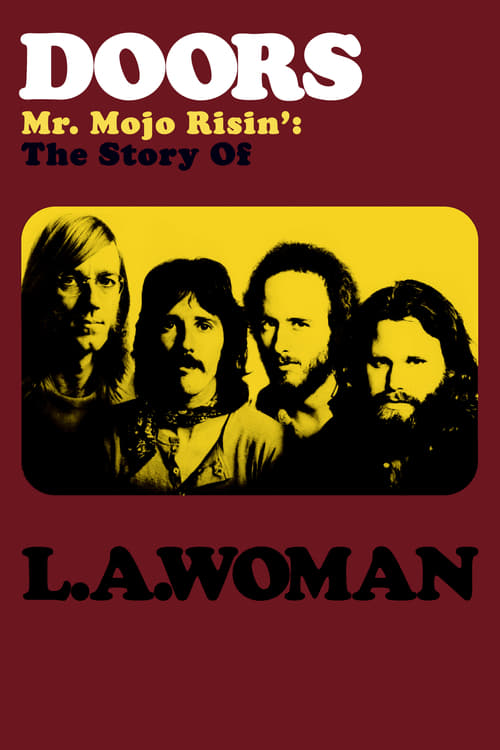
2012
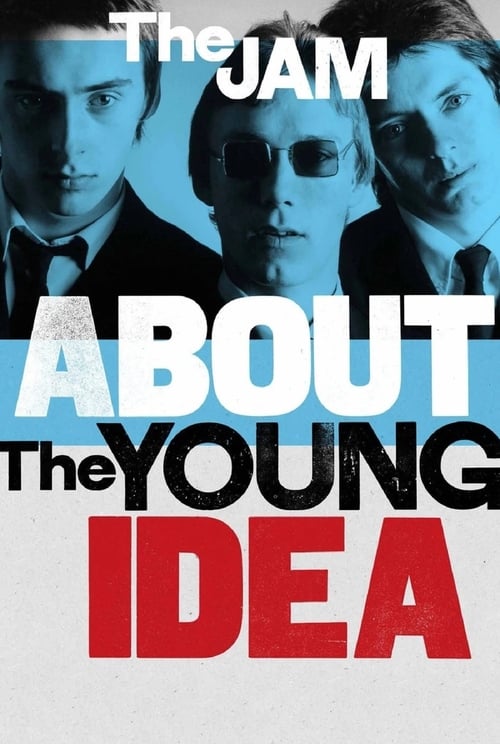
2015

2017

2004
No reviews yet. Be the first to share your thoughts on this movie!
Use the rating form above to leave a star rating and optional review.