I Killed John Lennon
2005
No user ratings available yet
Diversity score: 4.1 out of 10
2006
PG-13Director
David Leaf, John Scheinfeld
Runtime
99 minutes
Average Rating
No ratings yetSynopsis
A documentary on the life of John Lennon, with a focus on the time in his life when he transformed from a musician into an antiwar activist.
Overall Score
Fair
Category Breakdown
LGBTQ+ Representation
The narrative centers on the heteronormative partnership of Lennon and Ono. It lacks LGBTQ+ characters or storylines that critique heteronormativity.
Gender Representation
Yoko Ono is portrayed as a central collaborator rather than a passive figure. The film highlights her intellectual and political influence, disrupting traditional domestic tropes.
Racial & Ethnic Diversity
The focus remains on a Western cultural icon and his friction with US institutions. The primary narrative lacks a broad racial spectrum.
Religious & Cultural Diversity
The film serves as a critique of Western institutions and state surveillance. It frames government authority as an oppressive force against individual dissent.
Disability Representation
There is no significant focus on visible or invisible disabilities. The story is driven by political and biographical milestones.
Strengths
Areas for Improvement
AI Analysis
The documentary excels as a critique of institutional power, using Lennon's life to deconstruct the relationship between the individual and the state. Its strongest asset is its cultural perspective, which challenges traditional Western authority and celebrates the dissident voice. However, the film lacks demographic breadth. It operates within a narrow social framework, offering little representation regarding LGBTQ+ identities or racial diversity. The narrative is deeply rooted in a specific era of Western celebrity and political conflict. Ultimately, the film trades demographic variety for ideological depth. It succeeds in its mission to highlight anti-authoritarianism but remains limited in its exploration of diverse human identities.
2005

2010

2009
2009
2013
2021

2003
2005
2017
2008
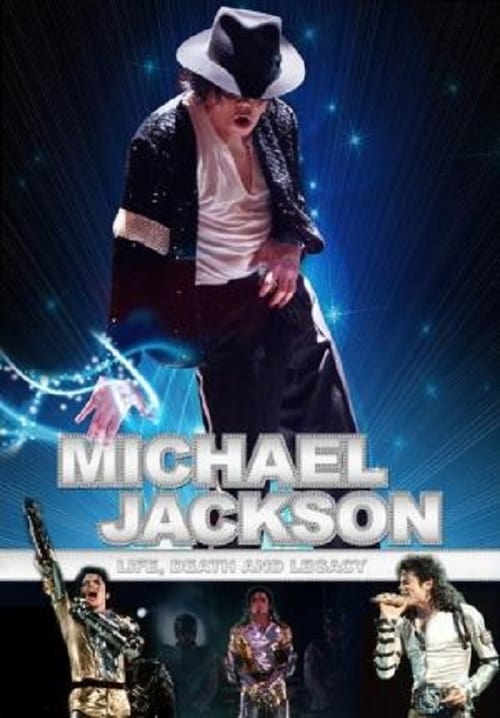
2012
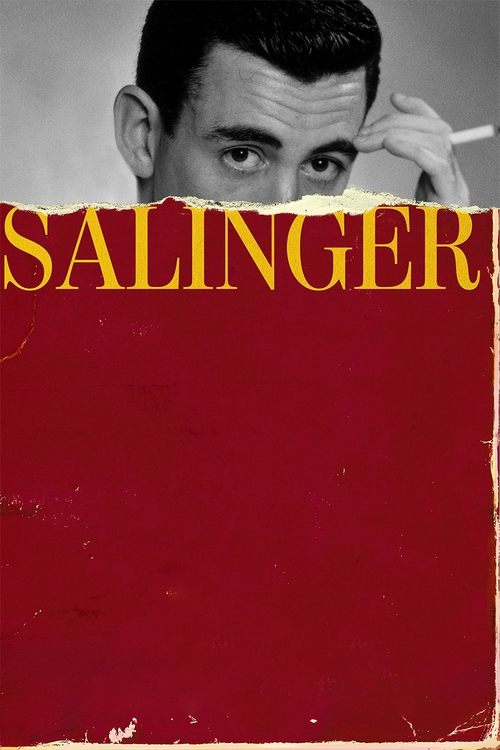
2013
No reviews yet. Be the first to share your thoughts on this movie!
Use the rating form above to leave a star rating and optional review.