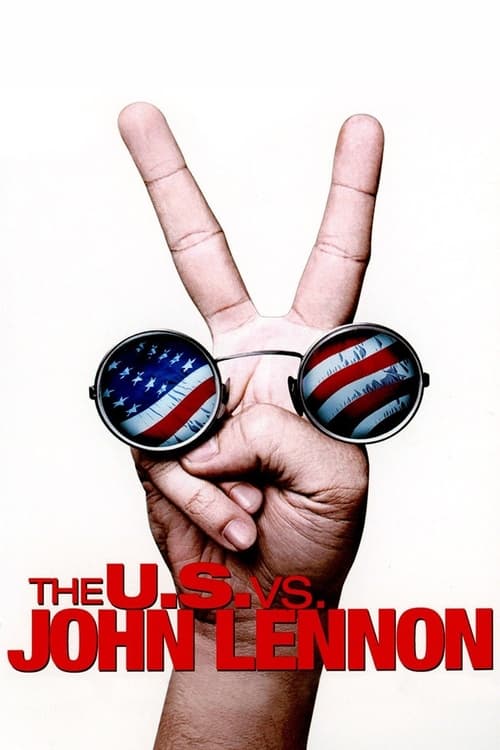
The U.S. vs. John Lennon
2006
No user ratings available yet
Diversity score: 5.5 out of 10
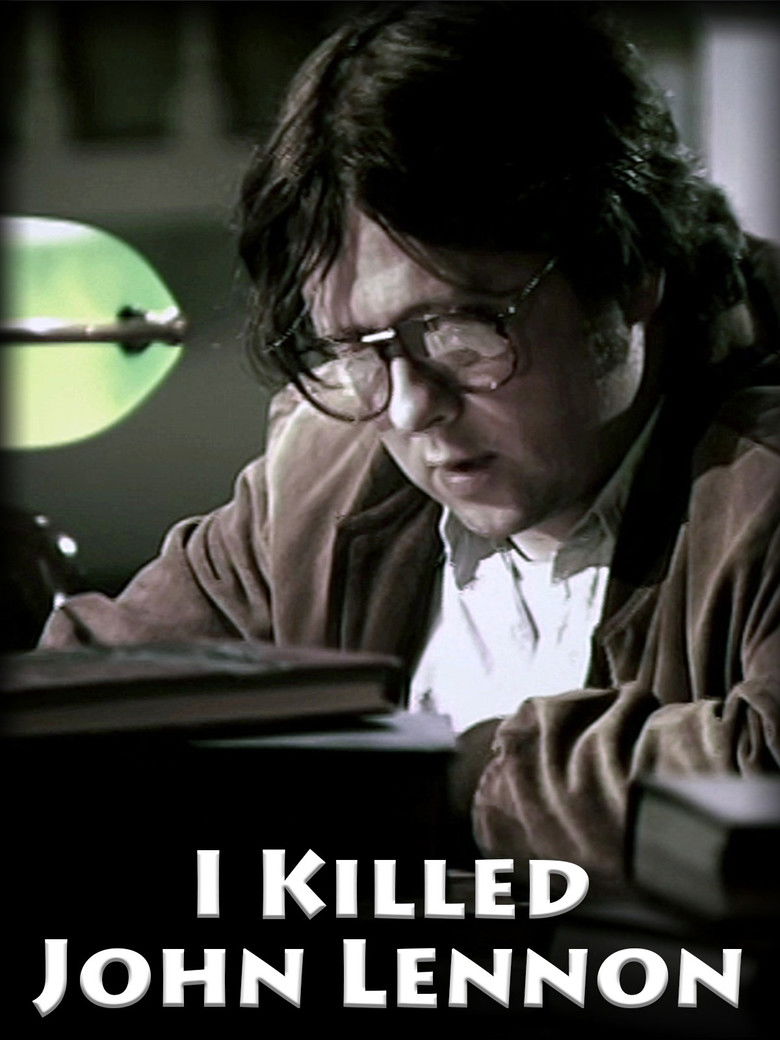
2005
TV-14Director
Chris Wilson
Runtime
65 minutes
Average Rating
No ratings yetSynopsis
On the 25th anniversary of John Lennon's murder, the first public hearing of newly-released taped interviews with his killer by the respected journalist Jack Jones.
Overall Score
Fair
Category Breakdown
LGBTQ+ Representation
The film centers on a journalistic investigation into a historical murder. There is no evidence of LGBTQ+ characters or narratives addressing non-cisnormative identities.
Gender Representation
The narrative focuses on the professional interaction between a journalist and a killer. It follows standard documentary conventions without subverting traditional gender hierarchies.
Racial & Ethnic Diversity
The subject matter revolves around a specific moment in Western pop culture history. The context appears historically homogeneous with no evidence of diverse casting.
Religious & Cultural Diversity
The documentary functions as a retrospective on a historical tragedy. It does not explicitly prioritize anti-Western or secularist agendas within its journalistic framework.
Disability Representation
No information is available regarding the inclusion of characters with visible or invisible disabilities. The focus remains on psychological and testimonial aspects.
Strengths
Areas for Improvement
AI Analysis
I Killed John Lennon is a specialized true crime documentary focused on the 25th anniversary of a high-profile murder. The film's primary objective is journalistic inquiry into newly-released interviews, which limits its scope for intersectional storytelling. Because the narrative is anchored in a specific historical event within Western pop culture, it lacks the structural framework to address broader social hierarchies. The content is driven by the criminal and journalistic subject matter rather than identity-based themes. Ultimately, the film serves as a historical retrospective. It does not actively seek to disrupt cultural norms or provide diverse representation across gender, race, or orientation.
2006
2005

2010
1973
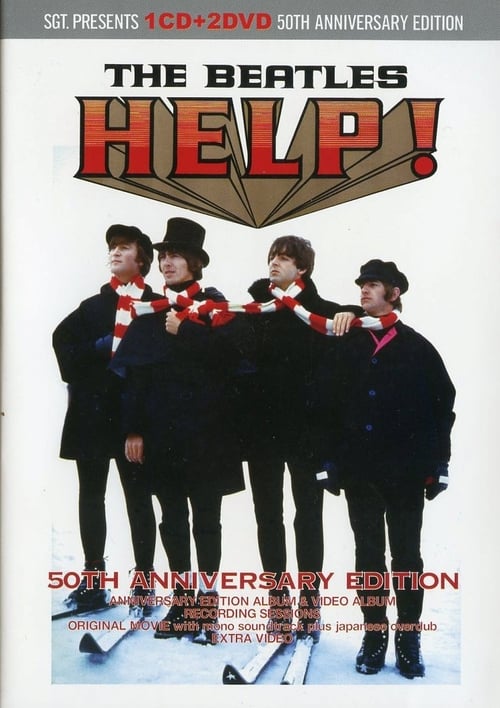
2007
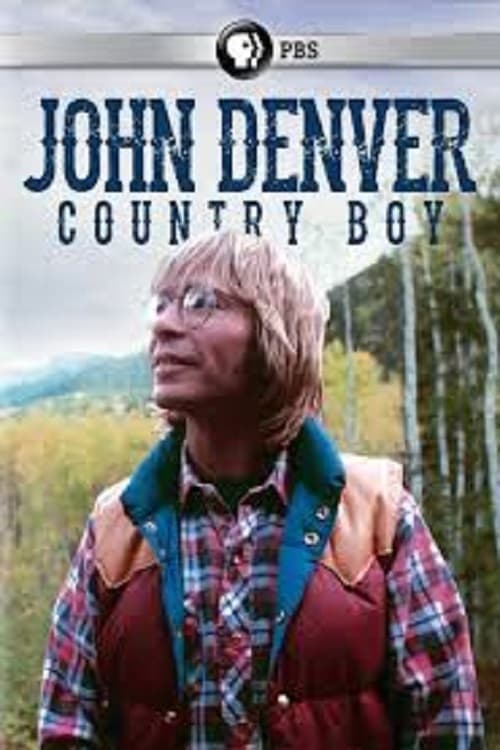
2013
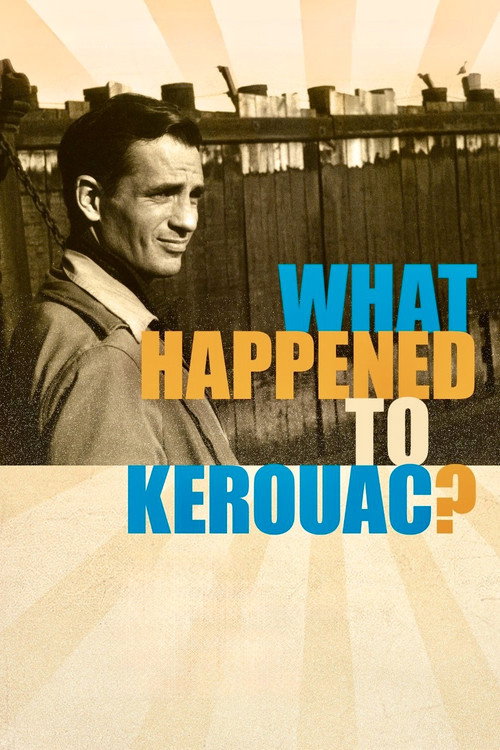
1986
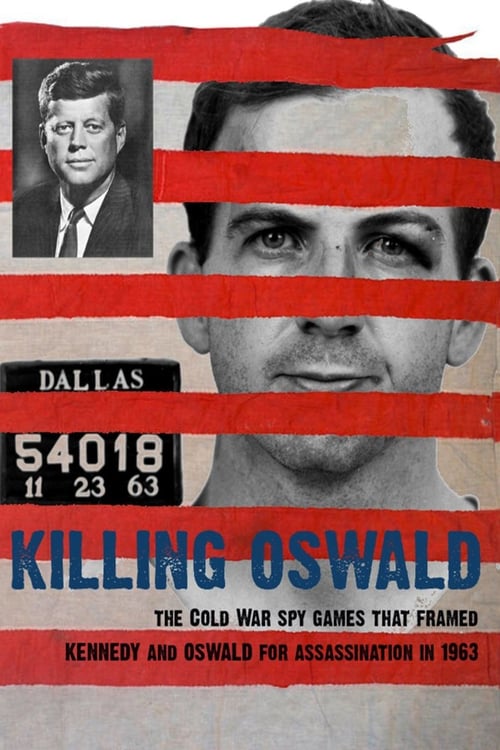
2013
2012

2019
2013
2007
No reviews yet. Be the first to share your thoughts on this movie!
Use the rating form above to leave a star rating and optional review.