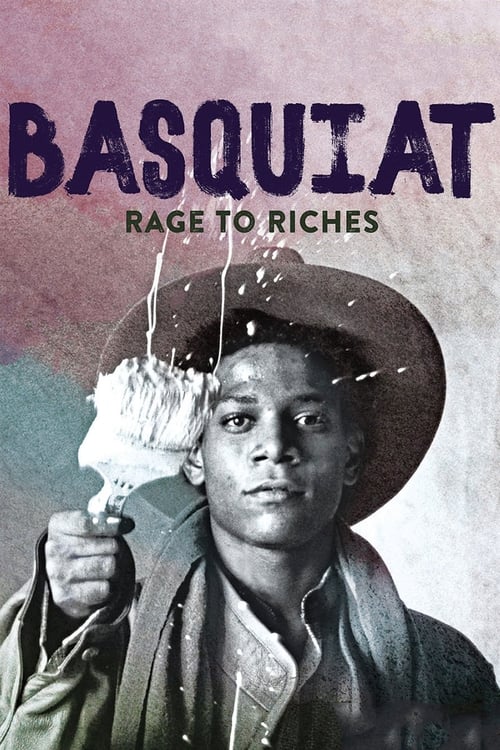
Basquiat: Rage to Riches
2017
No user ratings available yet
Representation score: 6.4 out of 10
Representation Score
Good
2010
Not RatedDirector
Tamra Davis
Runtime
88 minutes
Average Rating
No ratings yetNew Showbiz Analysis
The documentary offers a nuanced exploration of identity by centering the Black experience within the white-dominated art establishment. It avoids a typical celebratory biography, focusing instead on the systemic pressures and commodification Basquiat faced. While the film excels in critiquing racial and cultural issues, it remains primarily focused on male-dominated professional spheres. The social context of the era is present, but specific narratives about gender or LGBTQ+ identities are not the main focus. Ultimately, the film serves as a tool for challenging institutional hierarchies, using Basquiat's life to explore the complexities of navigating identity within oppressive systems.
Category Breakdown
The film captures the 1980s New York art scene, a time marked by diverse social dynamics. Though it doesn't have central LGBTQ+ characters, it provides a backdrop for queer identities through its depiction of nightlife.
The narrative centers on male-dominated spaces such as neo-expressionism and the high-society art market. It explores male friendship and vulnerability, moving beyond simple masculine clichés through mentorship.
The documentary highlights a Black artist navigating a predominantly white, institutionalized art world. It critiques systemic barriers and the tension between Black expression and capitalist commodification.
The film critiques the intersection of capitalism and art, portraying the market as a predatory machinery. It explores the friction between grassroots street culture and elite Western institutions.
There is no significant or central focus on visible or invisible disabilities. The narrative prioritizes socioeconomic and racial identity over disability representation.
Present on Screen
Limited or Absent
Official Synopsis
A thoughtful portrait of a renowned artist, this documentary shines the spotlight on New York City painter Jean-Michel Basquiat. Featuring extensive interviews conducted by Basquiat's friend, filmmaker Tamra Davis, the production reveals how he dealt with being a black artist in a predominantly white field. The film also explores Basquiat's rise in the art world, which led to a close relationship with Andy Warhol, and looks at how the young painter coped with acclaim, scrutiny and fame.
2017

2014
2018
2018

2020
2021
2006

2017
No reviews yet. Be the first to share your thoughts on this movie!
Use the rating form above to leave a star rating and optional review.