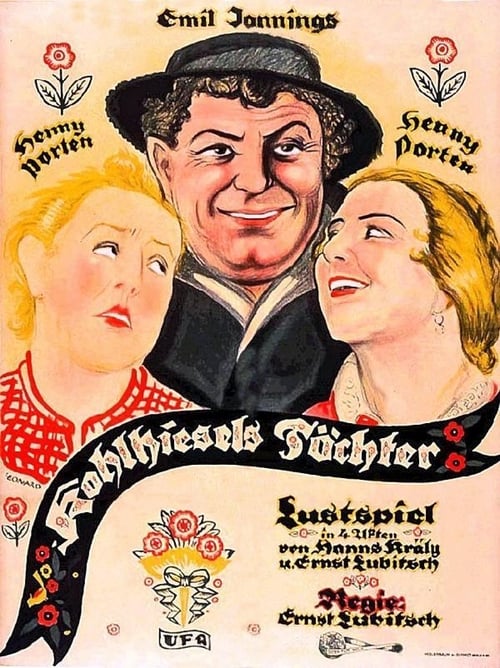
Kohlhiesel's Daughters
1920
No user ratings available yet
Representation score: 1.1 out of 10
Representation Score
Limited
1918
Director
Mauritz Stiller
Runtime
89 minutes
Average Rating
No ratings yetNew Showbiz Analysis
Mauritz Stiller’s comedy provides a nuanced exploration of early 20th-century social dynamics. Its strength lies in challenging gendered expectations, particularly through the female protagonist’s resistance to patriarchal desires for a male heir. However, the film remains confined to a specific Swedish social context. It lacks racial and LGBTQ+ diversity, focusing solely on a particular upper-class experience. Despite this, it challenges traditional family ideals through character-driven conflict. Ultimately, the film stands as a progressive departure from the sentimental comedies of its time, even though it does not incorporate modern diversity.
Category Breakdown
The film adheres to traditional assumptions about straight relationships. The main conflict revolves around a marriage dispute about gendered inheritance rather than any stories involving LGBTQ+ identities.
Frau Bessie plays a significant role by insisting on having a daughter, which challenges the preference for male heirs. Her character development delves into the complexities of changing social roles.
The story centers on a specific Swedish social structure. There are no multi-ethnic characters or non-white individuals featured in the narrative.
The film critiques traditional family stability through the lens of upper-class social norms. It presents the family unit as a source of comedic tension.
There are no visible or invisible disabilities shown in the story.
Present on Screen
Limited or Absent
Official Synopsis
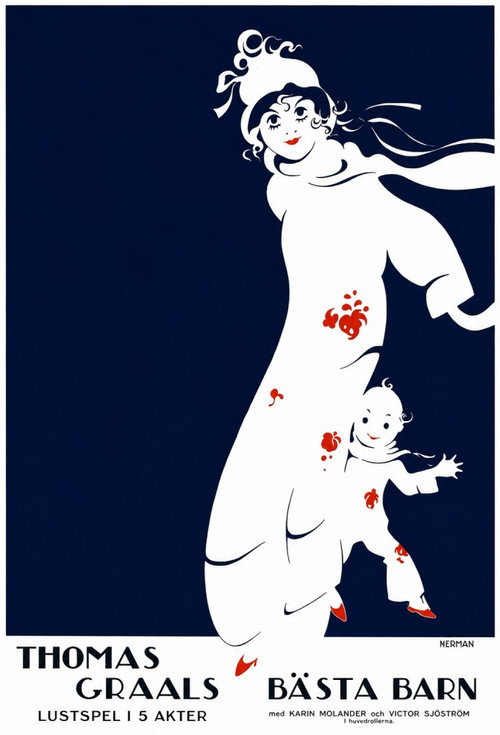
Frau Bessie, once a madcap, aristocratic and modern Swedish fraulein, has become now a whimsical and conservative Swedish burgess after her marriage to Herr Thomas Graal. The destabilization of the marriage begins right at the wedding (which contains some hilarious incidents) when Frau Bessie announces the first Graal child must be a girl, creating a terrible conflict with her husband who is hoping for a boy. It takes a scandal to finally end the war between man and wife.
1920
1938
1918

1942
1926
1916

1931

1936
No reviews yet. Be the first to share your thoughts on this movie!
Use the rating form above to leave a star rating and optional review.