The Only Son
1936
No user ratings available yet
Representation score: 2.9 out of 10
Representation Score
Limited
1955
Director
Chun Kim
Runtime
111 minutes
Average Rating
No ratings yetNew Showbiz Analysis
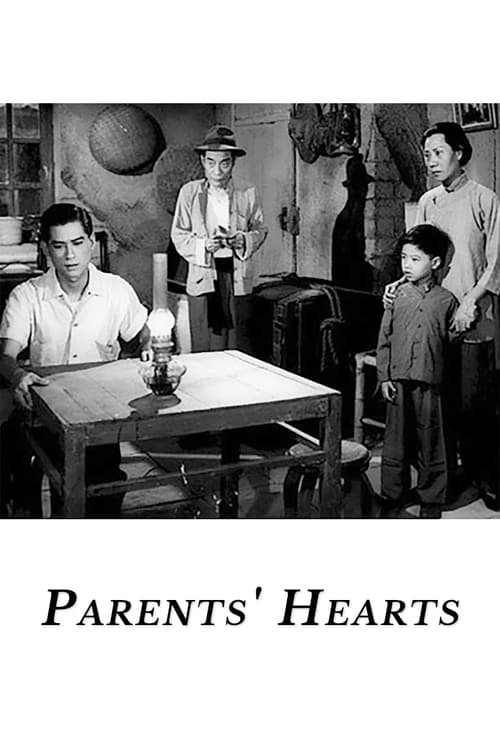
Parents' Hearts is a period-specific melodrama that explores the tension between individual ability to act and economic pressures. It primarily studies familial duty and the struggles of the working class against poverty. The film provides important non-Western cultural visibility through its focus on Cantonese opera and Chinese social structures. However, it adheres strictly to the established moral and social codes of 1950s Hong Kong. Ultimately, the work lacks the subversion of traditional gender or identity norms, instead reinforcing traditional hierarchies and conservative social structures.
Category Breakdown
The film focuses on traditional heterosexual and cisgender family structures. There is no evidence of stories involving non-binary or LGBTQ+ identities.
The mother's labor and death are central to the emotional storyline, but the narrative ability to act remains focused on male characters. The film depicts a traditional domestic hierarchy typical of the era.
As a Hong Kong production, the film offers a localized, non-Western perspective centered on Cantonese opera culture and Chinese values. It provides a necessary counter-narrative to Western-centric cinema.
The story emphasizes Confucian values such as filial piety and the sanctity of the family. It reinforces traditional morality and parental sacrifice without offering a critical examination of these values.
The narrative does not include characters with visible or invisible disabilities.
Present on Screen
Limited or Absent
Official Synopsis
An opera troupe has to dissolve in view of the poor economy. Comedian star Sang Kwai-lei loses his job and he has no alternative but to play the lion character in the opera troupe of his former junior apprentice Chan Hau and pawn his stage costume. He aims at earning enough money to support the final year's secondary school studies of his elder son Chi-kuen. Kuen however refuses to continue his studies, seeing that his father has to put aside his dignity to earn money and his mother is worried. Lei is enraged and uses the money to support his younger son Chi-wai's studies. Again, Lei loses his job and he resorts to giving street performances, his wife takes up sowing work in her spare time and she dies after a long illness. Kuen works to support himself through school, but Wai is less fortunate, he is forced to enrol in an opera troupe as an apprentice. Years later, the dying father joyfully embraces Chi-kuen's return from his studies.
1936

1961
1942
1951
1939
1935
1981
1951
No reviews yet. Be the first to share your thoughts on this movie!
Use the rating form above to leave a star rating and optional review.