The Wonder Ring
1955
No user ratings available yet
Diversity score: 1.1 out of 10
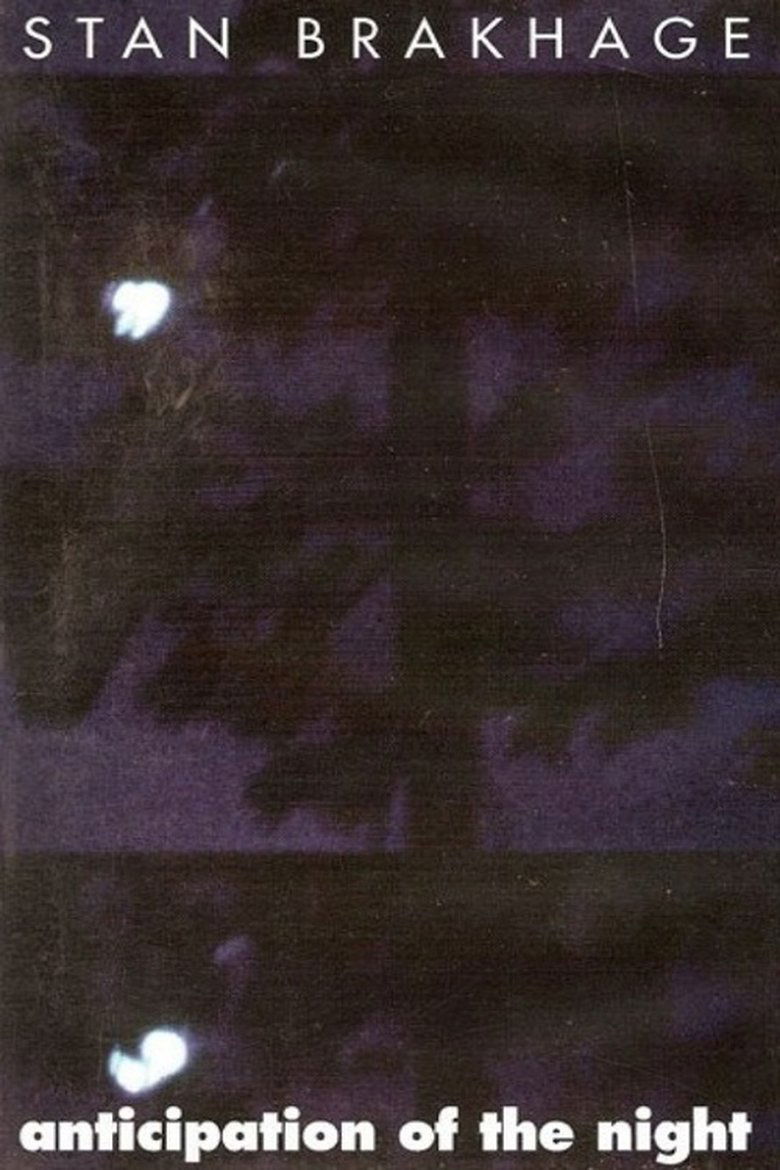
1958
Director
Stan Brakhage
Runtime
42 minutes
Average Rating
No ratings yetSynopsis
First person view of a man, seen only in shadow, attempting to connect with the world around him. Preserved by the Academy Film Archive in 2013.
Overall Score
Minimal
Category Breakdown
LGBTQ+ Representation
The film is a non-narrative, experimental work focused on light and rhythm. Because it lacks characters and dialogue, there is no depiction of sexual orientation or gender identity.
Gender Representation
The film lacks a cast and does not utilize human subjects to establish gendered roles. There are no depictions of masculinity or femininity present.
Racial & Ethnic Diversity
As an abstract study of visual texture, the film does not feature human subjects. The focus remains on light and shadow rather than demographic representation.
Religious & Cultural Diversity
The film disrupts Western narrative expectations by eschewing traditional plot and moralizing structures. It prioritizes a sensory, secular experience over established social or religious didacticism.
Disability Representation
There are no characters or human subjects portrayed in the film. Consequently, there is no representation of physical or neurodivergent identities.
Strengths
Areas for Improvement
AI Analysis
Stan Brakhage’s *Anticipation of the Night* is a foundational avant-garde work that prioritizes sensory experience over conventional storytelling. Its formalist approach focuses on light, rhythm, and montage rather than character-driven narratives. Because the film is non-narrative and abstract, it lacks the social semiotics—such as dialogue or interpersonal relationships—needed to assess identity-based representation. The absence of diverse characters is a byproduct of its experimental structure rather than an intentional exclusion. While the film does not engage with social identity frameworks, it offers a cultural critique by rejecting standard cinematic grammar in favor of a purely visual, subjective experience.
1955

1990
1991
1972

1965

1969
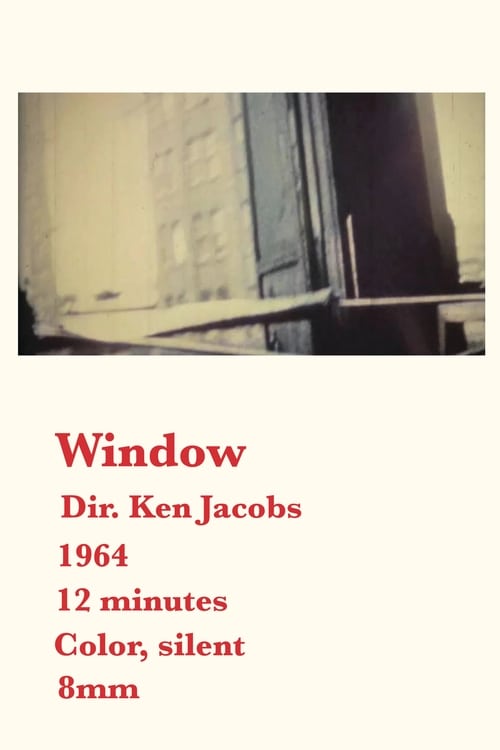
1964
1964
1964
1966
1978
1952
No reviews yet. Be the first to share your thoughts on this movie!
Use the rating form above to leave a star rating and optional review.