The Art of Vision
1965
No user ratings available yet
Representation score: 0.6 out of 10
Representation Score
Minimal
1990
Director
Stan Brakhage
Runtime
16 minutes
Average Rating
No ratings yetNew Showbiz Analysis
Stan Brakhage’s experimental documentary functions as a radical deconstruction of the cinematic gaze. By using the geological formations of Carlsbad Caverns as a metaphor for Platonic philosophy, the film moves away from traditional narrative structures. Because the work is non-representational and abstract, it lacks the standard mechanisms used to measure diversity, such as character-driven dialogue or social roles. However, the film offers a unique intellectual depth. It challenges the viewer's reliance on stable forms and critiques the Western empirical tradition through a fluid, non-linear lens.
Category Breakdown
The film is an abstract visual meditation on light and texture. It contains no characters or depictions of sexual orientation.
The work operates entirely outside of social hierarchies. By avoiding human subjects, it refrains from reinforcing traditional gender roles.
The film focuses on elemental and geological forms. There is no human presence to evaluate for racial or ethnic diversity.
The film uses Plato’s Cave to explore inaccessible ideal forms. This philosophical framework prioritizes subjective experience over institutionalized truth.
There are no human subjects depicted. Consequently, there is no representation of physical or neurodivergent identities.
Present on Screen
Limited or Absent
Official Synopsis
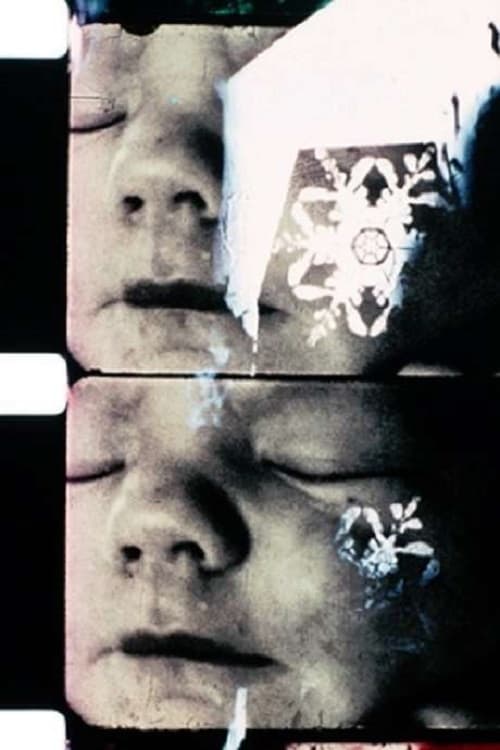
Brakhage begins here with Carlsbad Caverns as a stand-in for Plato's Cave and then responds to the philosopher's notion of inaccessible ideal forms by seeking out imagery that evokes worlds we cannot see.
1965
2002
1964

2014
1955

1978
1983
1974
No reviews yet. Be the first to share your thoughts on this movie!
Use the rating form above to leave a star rating and optional review.