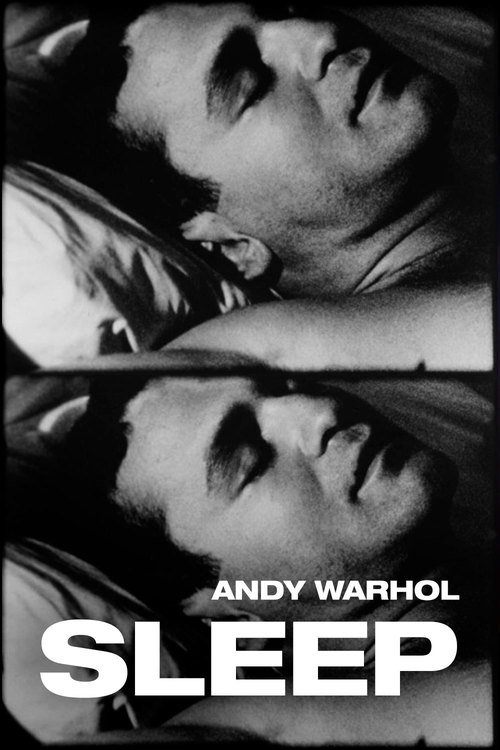
Sleep
1964
No user ratings available yet
Representation score: 0.6 out of 10
Representation Score
Minimal
1966
Director
Andy Warhol
Runtime
4 minutes
Average Rating
No ratings yetNew Showbiz Analysis
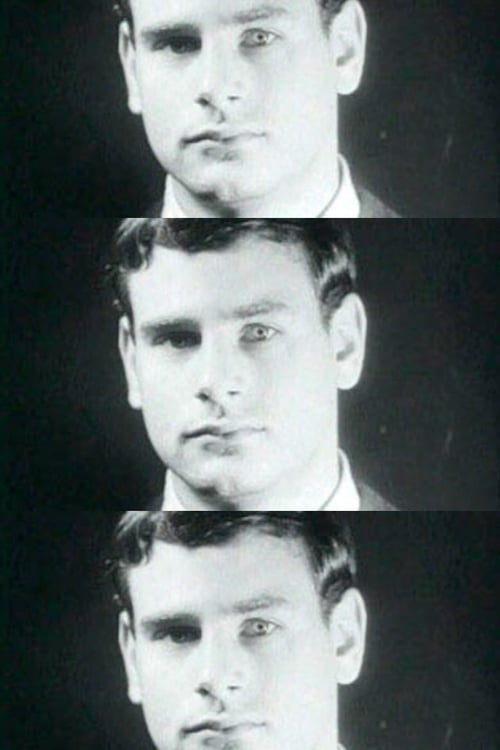
Helmut is an avant-garde study that emphasizes formalist deconstruction over social representation. By focusing solely on a static subject, the film avoids the multi-layered complexity seen in more narrative-driven works. While the film challenges traditional cinematic expectations, it maintains a narrow demographic focus. It serves more as a study of presence than a platform for diverse perspectives. Ultimately, the work's importance lies in its postmodernist rejection of structure rather than its engagement with identity or social issues.
Category Breakdown
The film does not explicitly depict queer identities or non-cisgender narratives. Set within Andy Warhol's queer-influenced environment, it focuses on the aesthetics of a single subject without exploring LGBTQ themes.
The story revolves around a single male subject without any interpersonal interactions. It does not challenge traditional masculine roles or gender hierarchies.
The film features a single white male subject. There is no indication of racial diversity or non-Anglo-Saxon casting in this experimental short.
Warhol's work rejects conventional storytelling, implicitly questioning Western cinematic norms. However, the film remains a neutral, aesthetic exploration rather than a cultural statement.
The film does not depict any visible or invisible disabilities. The subject's stillness is a stylistic choice for the experiment and not a portrayal of physical or neurodivergent conditions.
Present on Screen
Limited or Absent
Official Synopsis
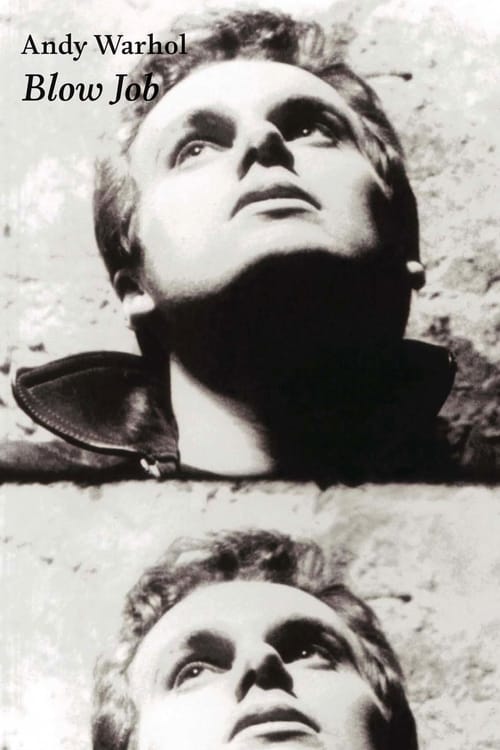
Screen Test: Helmut, by Andy Warhol, is a five minute silent black and white continuous close-up of a young man’s face. The face remains deathly still other than the occasional blink or involuntary bat of his eyelash. The film is slowed down to about 24-frames per-second to capture these slight movements a bit better, but other than this and the choppy fade-in’s and out’s at the beginning and end respectively, nothing changes throughout the film.
1964

1929
![Movie poster for Screen Test [ST155]: Dennis Hopper](https://image.tmdb.org/t/p/w500/gd6kmv76eK82k96iMRjbGfZRsVr.jpg)
1964
2003

1965
1965
1964
1966
No reviews yet. Be the first to share your thoughts on this movie!
Use the rating form above to leave a star rating and optional review.