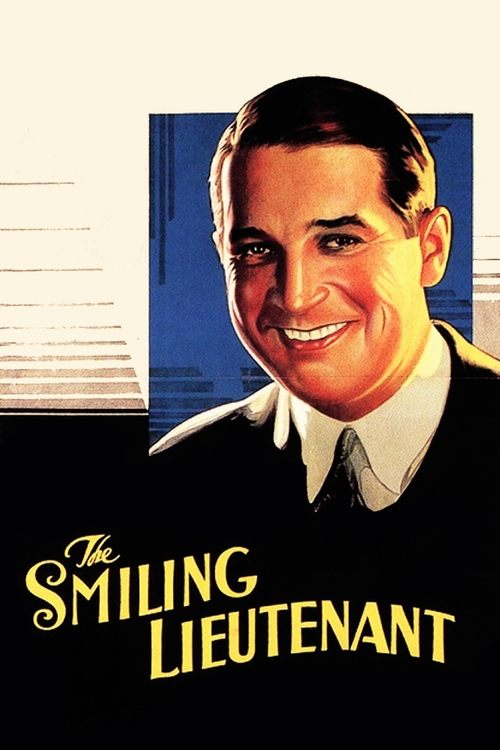
The Smiling Lieutenant
1931
No user ratings available yet
Diversity score: 1.4 out of 10
1899
Director
George Albert Smith
Runtime
1 minutes
Average Rating
No ratings yetSynopsis
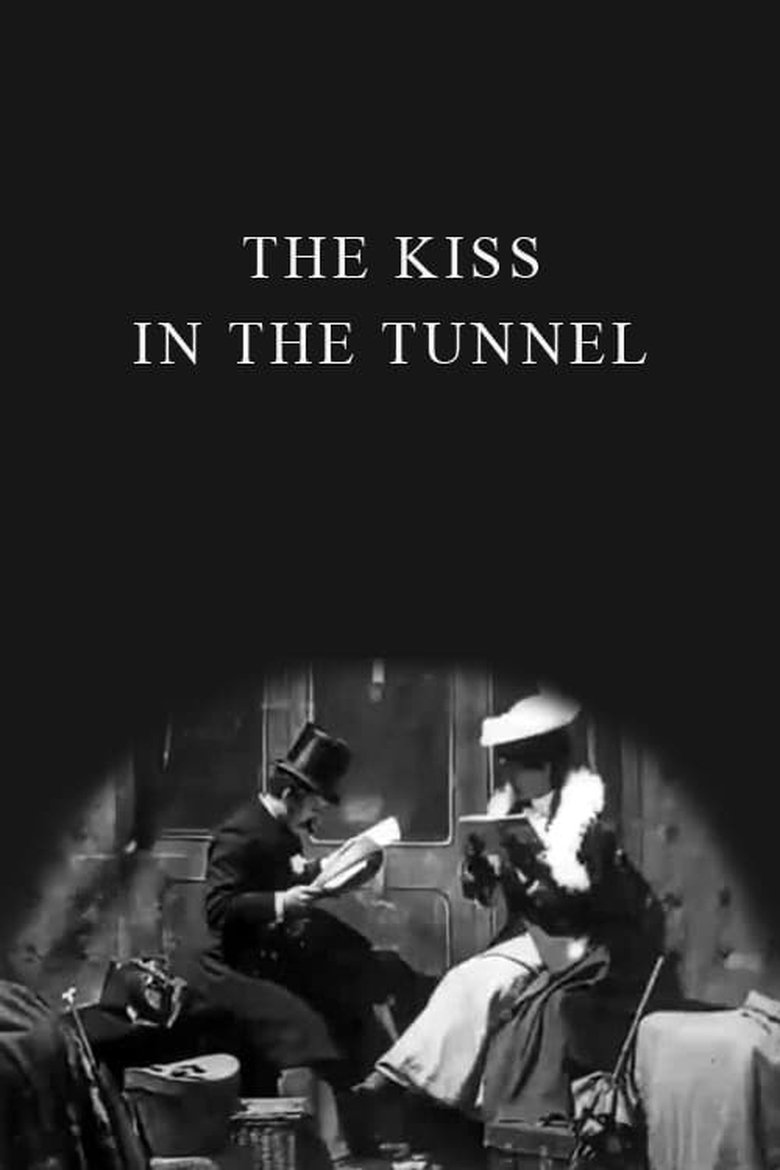
Produced and directed by George Albert Smith, the film shows a couple sharing a brief kiss as their train passes through a tunnel. The Kiss in the Tunnel is said to mark the beginnings of narrative editing.
Overall Score
Minimal
Category Breakdown
LGBTQ+ Representation
The film depicts a brief romantic encounter between a man and a woman. There is no evidence of non-cisnormative gender identities or same-sex intimacy.
Gender Representation
The film presents a traditional romantic interaction. While the brevity precludes deep analysis, the cheeky interaction suggests playful engagement between genders without subverting established social hierarchies.
Racial & Ethnic Diversity
The cast appears homogeneous, reflecting the demographic constraints of late-Victorian Britain. There is no evidence of race-bent casting or intentional ethnic diversity.
Religious & Cultural Diversity
The film functions as a simple romantic vignette. It lacks engagement with systemic critiques or specific religious and political ideologies, operating within traditional courtship frameworks.
Disability Representation
There are no visible or invisible disabilities portrayed within the film’s brief runtime.
Strengths
Areas for Improvement
AI Analysis
As a seminal work of early British cinema, *The Kiss in the Tunnel* is valued for its technical innovation in narrative editing rather than social commentary. It serves as a historical snapshot of late 19th-century romantic structures. The film reinforces the heteronormative and demographic norms of its era. Because the primary intent was experimentation with visual storytelling and continuity, it lacks the narrative depth to address modern intersectional metrics. Ultimately, the piece functions as a brief, traditional vignette that does not challenge the social or racial hierarchies of Victorian Britain.
1931
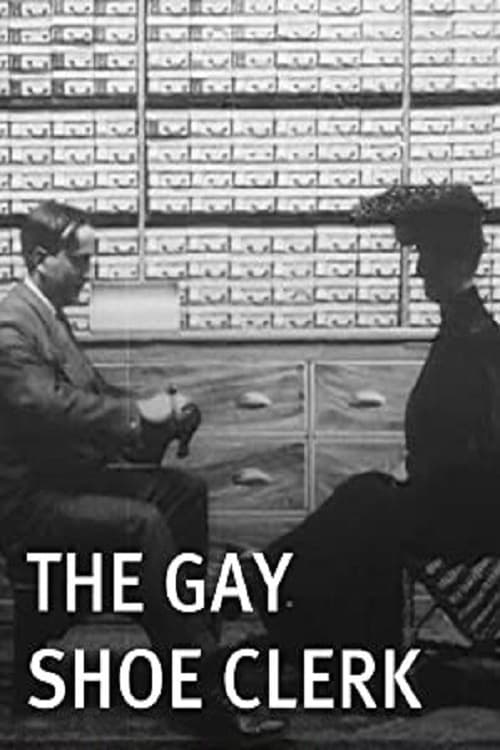
1903
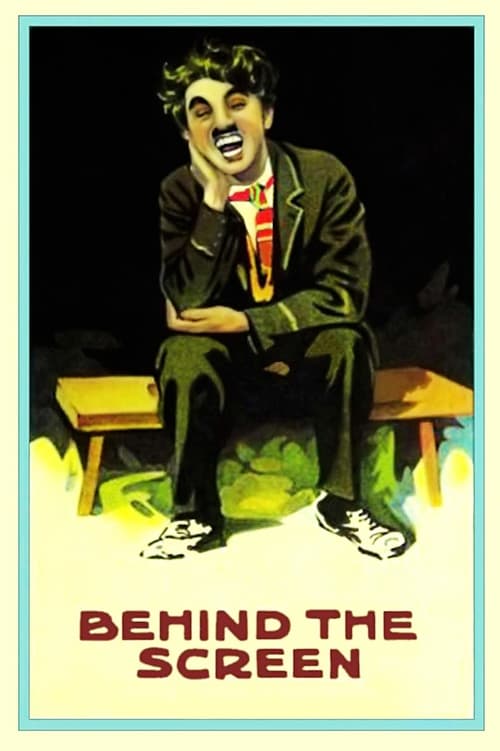
1916

1920
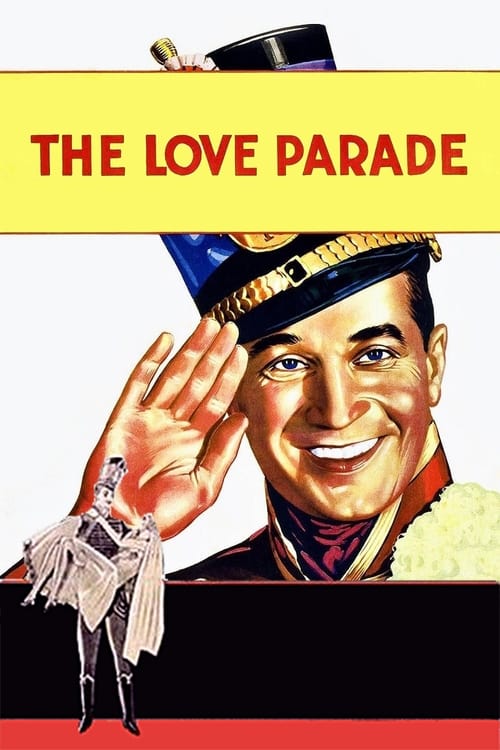
1929
1917
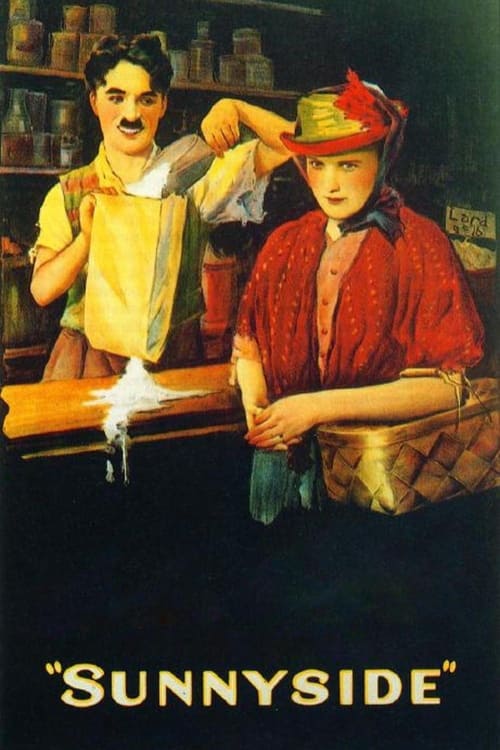
1919
1906
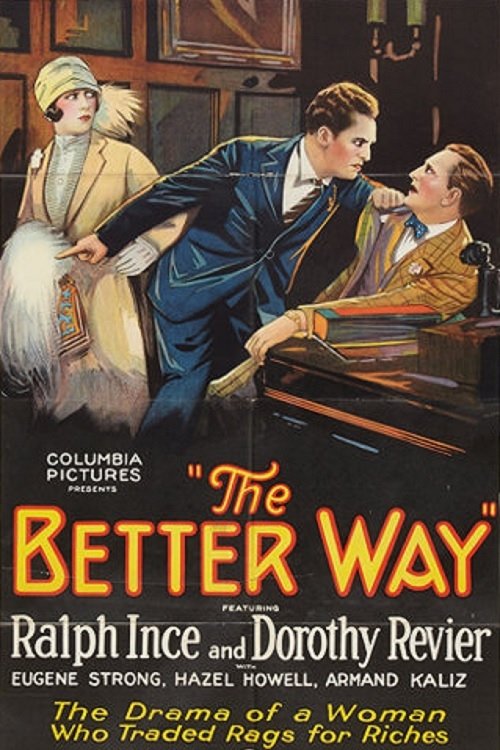
1926

1915
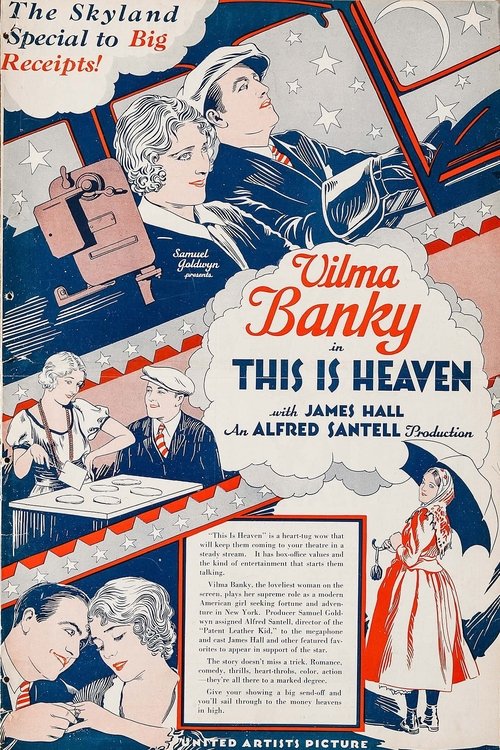
1929
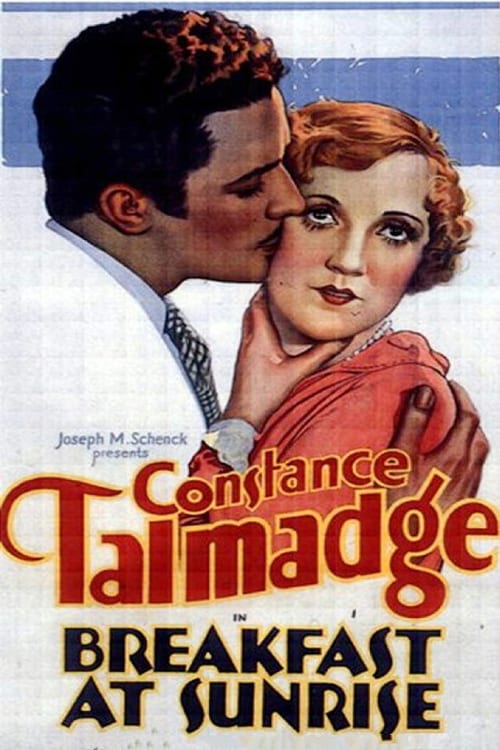
1927
No reviews yet. Be the first to share your thoughts on this movie!
Use the rating form above to leave a star rating and optional review.