
Arabic Numeral Series 12
1981
No user ratings available yet
Diversity score: 0.0 out of 10
1987
Director
Stan Brakhage
Runtime
3 minutes
Average Rating
No ratings yetSynopsis
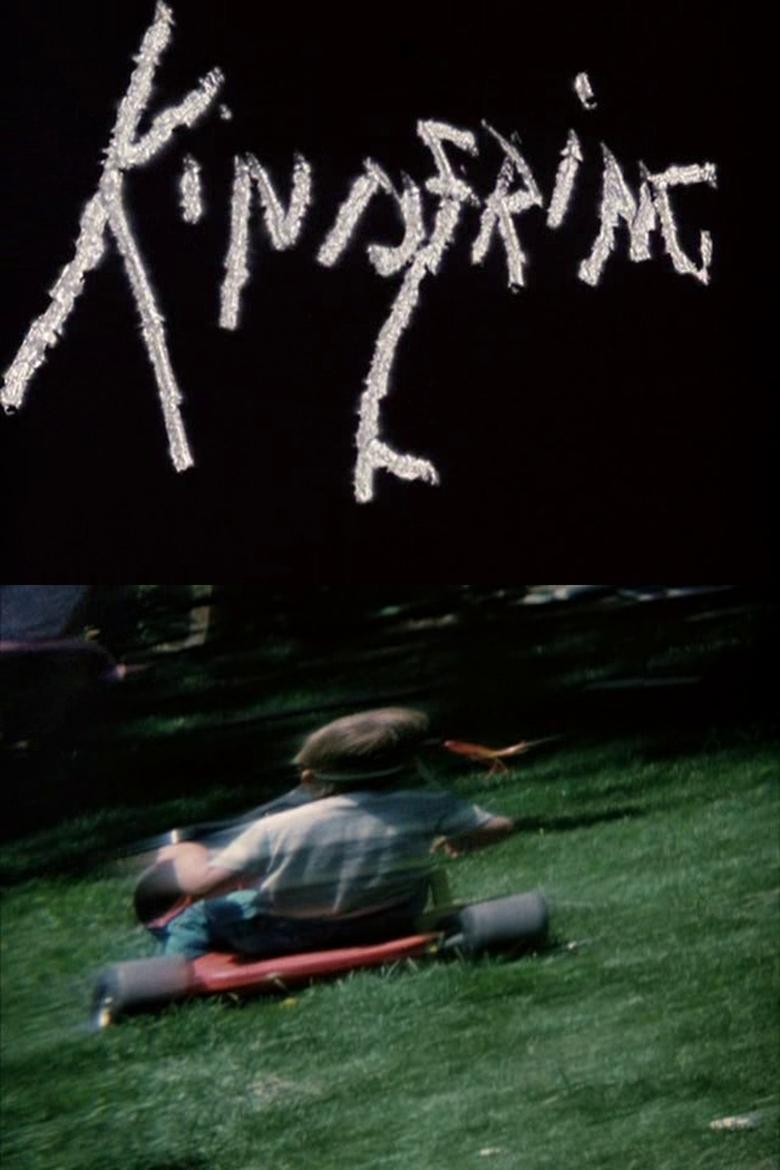
Refracted images, not unlike those in a funhouse mirror, display two children playing in a backyard, a boy and a girl. There's a dog, a swing, a picket fence, a Big Wheels trike. The grass is green and lush. A soundtrack mixes a chorus, swelling strings, and a child vocalizing. The effect is to idealize the images.
Overall Score
Limited
Category Breakdown
LGBTQ+ Representation
The film lacks explicit depictions of LGBTQ+ identities. The subjects follow traditional gendered archetypes, and the refracted visual style does not offer evidence of queer-centric storytelling.
Gender Representation
Gender representation relies on conventional domestic tropes featuring a boy and a girl. The film focuses on aesthetic movement rather than challenging gender hierarchies or providing female agency.
Racial & Ethnic Diversity
The imagery evokes a specific, traditional Western domestic aesthetic. There is no evidence of a multi-ethnic cast, focusing instead on a singular, homogeneous depiction of childhood.
Religious & Cultural Diversity
Visual shorthand like picket fences and Big Wheels trikes reinforces idealized Western domesticity. The soundtrack supports a sense of nostalgic, classical beauty aligned with traditionalist views.
Disability Representation
There is no discernible evidence regarding the representation of physical or neurodivergent disabilities.
Strengths
Areas for Improvement
AI Analysis
Stan Brakhage’s *Kindering* is a formalist, impressionistic study of childhood that prioritizes sensory experience over social interrogation. By utilizing refracted imagery to capture a backyard scene, the film leans into a highly idealized and nostalgic vision of domestic life. The work functions as a celebration of traditional Western archetypes. The presence of a boy, a girl, and classic suburban symbols suggests a singular, homogeneous perspective on the sanctity of the nuclear family unit. Because the film is non-narrative and focuses on aesthetic idealism, it lacks the structural capacity for complex identity politics or systemic critique. It reinforces conventional social structures through its pastoral, nostalgic lens.
1981
1960
1991
1993

1999

1964

1968

1971
1995
No reviews yet. Be the first to share your thoughts on this movie!
Use the rating form above to leave a star rating and optional review.