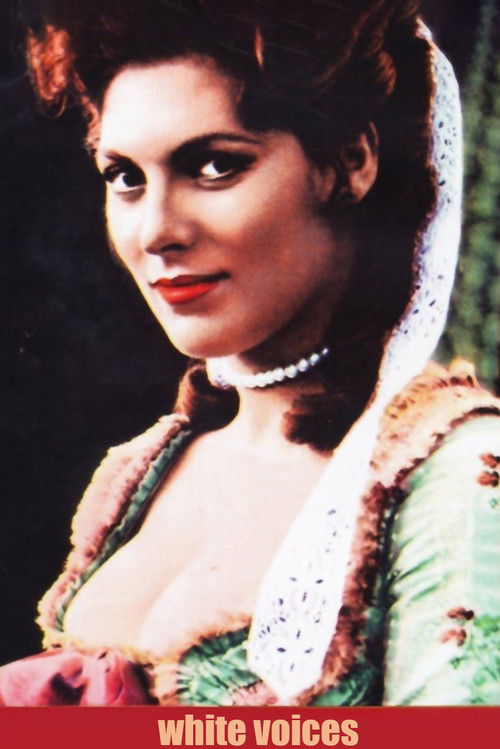
White Voices
1964
No user ratings available yet
Representation score: 6.6 out of 10

Representation Score
Limited
1950
Director
Carlo Ludovico Bragaglia
Runtime
83 minutes
Average Rating
No ratings yetNew Showbiz Analysis
This 1950s comedy adheres to the social norms and humor styles of its time. It prioritizes traditional social structures and situational comedy over progressive representation. The film operates within the conventions of mid-century European cinema, focusing on class-based humor and period-specific archetypes. The movie does not challenge traditional social hierarchies or provide multi-layered identities. Instead, it stays within the narrow cultural and demographic framework typical of its era.
Category Breakdown
The film follows traditional romantic relationships typical of 1950s Italian comedies. It does not depict any same-sex relationships or non-binary gender identities.
The movie emphasizes traditional gender roles common during the era. Female characters play minor roles and do not significantly influence the plot.
The casting reflects the Eurocentric focus of 1950s Italian cinema. There is no significant representation of non-European ethnicities.
The plot revolves around a conflict involving Sunday commerce laws. The film treats this issue as comedic escapism rather than a serious examination of religious or state institutions.
There are no characters with visible or invisible disabilities. Such identities are not used as central themes in the story.
Present on Screen
Limited or Absent
Official Synopsis
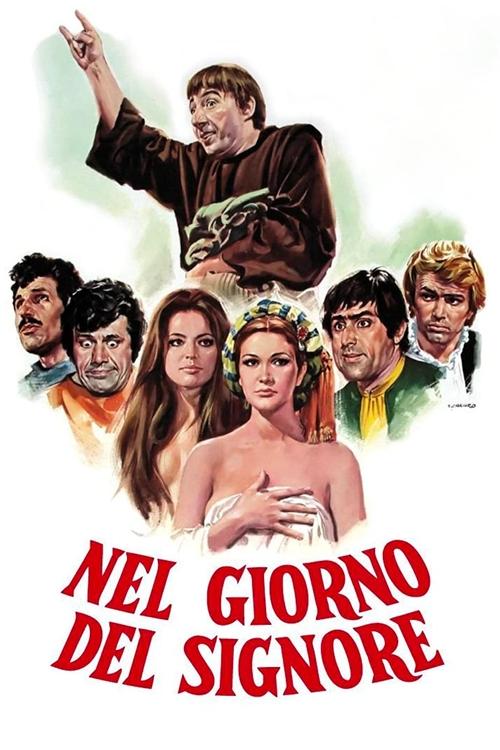
In the 18th century, Figaro the Sevillian barber is likely to be arrested because he operates his shop on Sundays, which is forbidden.
1964
1980
1962
1950
1970
1960
1958
1963
No reviews yet. Be the first to share your thoughts on this movie!
Use the rating form above to leave a star rating and optional review.