Dom Juan & Sganarelle
2015
No user ratings available yet
Representation score: 4.9 out of 10
Representation Score
Minimal
1965
Director
Marcel Bluwal
Runtime
106 minutes
Average Rating
No ratings yetNew Showbiz Analysis
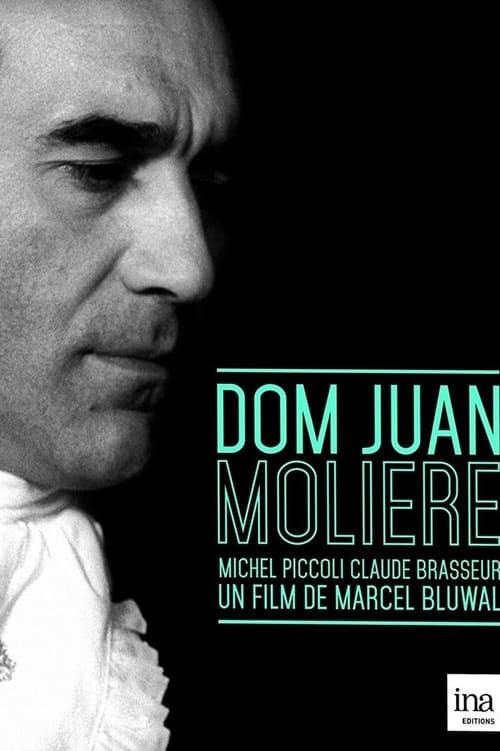
Dom Juan (1965) is a period-accurate classical drama that emphasizes philosophical rebellion over demographic diversity. While it lacks contemporary representation in terms of race and sexual orientation, it excels in its intellectual critique of systemic power structures. The film's strength lies in its subversion of religious and social conventions. By focusing on a protagonist who rejects divine authority, the narrative provides a sophisticated look at individualistic inquiry against a hypocritical social order. However, the production remains confined by its historical context and traditional patriarchal framework. Female characters primarily serve as obstacles to the protagonist's autonomy rather than as independent figures with their own choices.
Category Breakdown
The film focuses solely on heterosexual relationships and does not include any LGBTQ+ representation or queer subtext.
Women are mainly portrayed as objects of conquest rather than as independent characters with their own choices. However, the protagonist's rejection of traditional masculine roles disrupts conventional gender hierarchies.
The cast is ethnically uniform, reflecting the demographics of 17th-century France. The production does not make efforts to diversify the cast using modern casting techniques.
The film examines the deconstruction of established institutions through the protagonist's atheism. It highlights the corruption of the Church and the aristocracy by emphasizing subjective morality.
There are no visible representations of physical or neurodivergent disabilities in this production.
Present on Screen
Limited or Absent
Official Synopsis
This telefilm in black and white is diffused on the first French chain the November 6th 1965. It undoubtedly remains the most known adaptation of the Dom Juan of Molière.
2015
2007
1992
1964
2015

2011

1961

2014
No reviews yet. Be the first to share your thoughts on this movie!
Use the rating form above to leave a star rating and optional review.