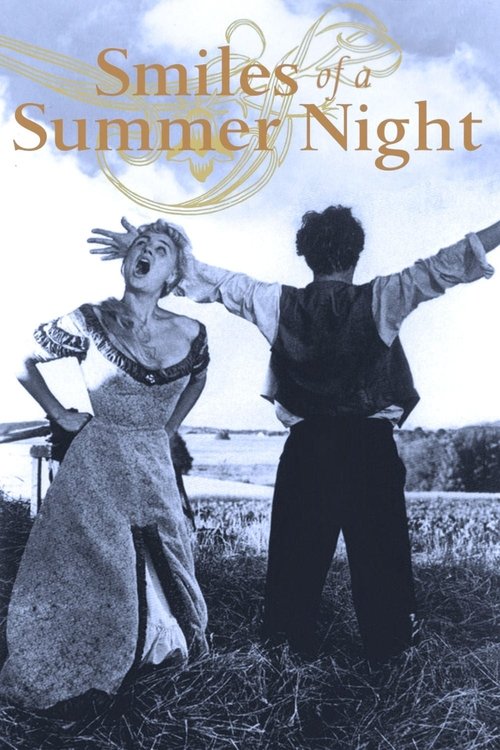
Smiles of a Summer Night
1955
No user ratings available yet
Representation score: 3.1 out of 10
Representation Score
Limited
1983
Director
Ingmar Bergman
Runtime
108 minutes
Average Rating
No ratings yetNew Showbiz Analysis
Bergman's adaptation of Molière successfully dismantles traditional social structures. The film's strength lies in its psychological depth, particularly in how it undermines male desire for domestic dominance by highlighting female autonomy. However, the production remains constrained by its historical context. The absence of LGBTQ+ and racial diversity reflects the era's standard casting practices. Ultimately, the film explores how individual desires can disrupt established institutional hierarchies, moving away from conventional moralism.
Category Breakdown
The film follows a heterosexual love triangle involving Arnolphe, Agnès, and Horace. There are no characters with non-traditional gender identities or same-sex relationships.
The story challenges male authority by focusing on Agnès's growing independence and emotional desires. It portrays male figures as psychologically unstable and ultimately ineffective.
The cast appears uniform, reflecting the socio-cultural context of its time. There is no indication of color-blind casting or diverse ethnic representation.
The film prioritizes individual emotional truth and existentialism over religious doctrine. It critiques traditional patriarchal guardianship through a secular, humanistic perspective.
There are no visible or invisible disabilities portrayed as central to the character arcs. Characters with disabilities are not used as plot devices.
Present on Screen
Limited or Absent
Official Synopsis
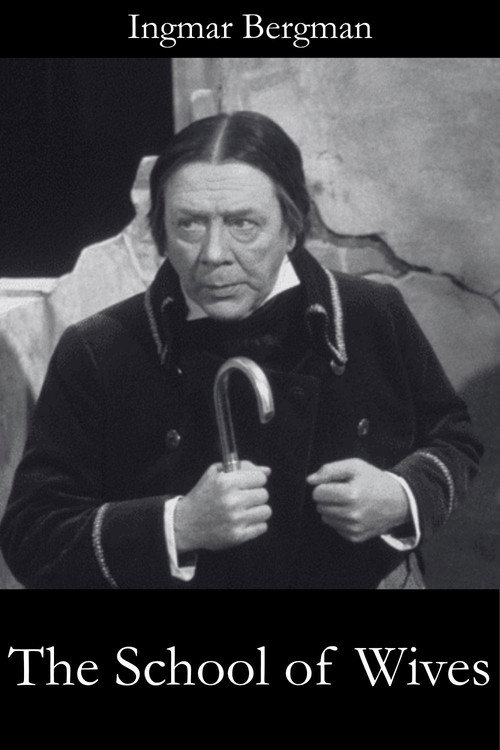
This television adaptation presents Molière’s comedy The School of Wives, centering on Arnolphe, an older bachelor who plans to marry his young ward, Agnès, believing her innocence will ensure his control. His scheme is disrupted when Agnès falls in love with the younger Horace, setting off a series of deceptions and confrontations that undermine Arnolphe’s authority.
1955

1960

1980

1989

1974

1957

1990

1967
No reviews yet. Be the first to share your thoughts on this movie!
Use the rating form above to leave a star rating and optional review.