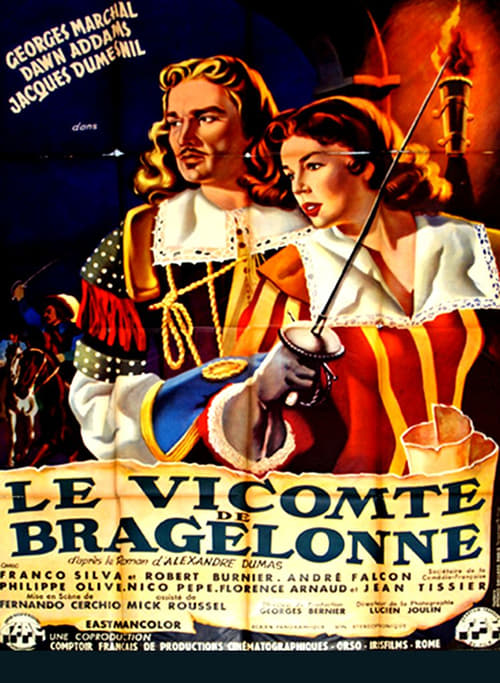
The Count of Bragelonne
1954
No user ratings available yet
Representation score: 1.1 out of 10
Representation Score
Good
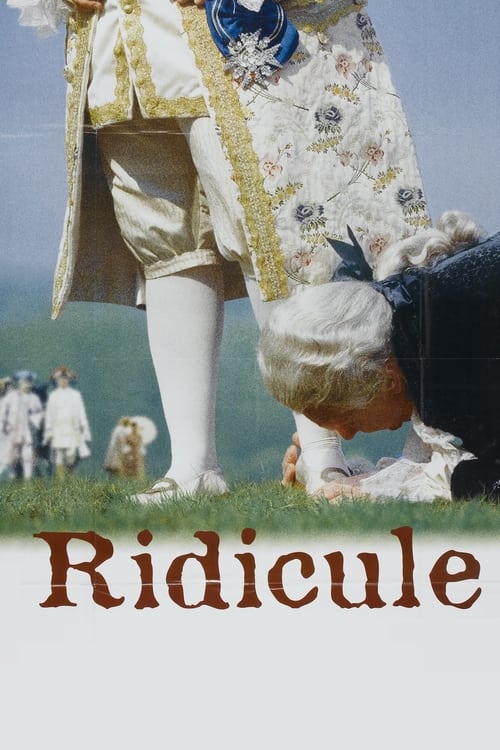
1996
RDirector
Patrice Leconte
Runtime
102 minutes
Average Rating
No ratings yetNew Showbiz Analysis
Ridicule is a sophisticated deconstruction of social hierarchies where wit serves as a weapon of systemic oppression. Its primary strength lies in how it challenges traditional gender hierarchies, presenting women as powerful combatants in the courtly war of intellect. However, the film is limited by its narrow demographic scope. The period setting results in a highly homogeneous cast that lacks racial and ethnic diversity, and there is a notable absence of LGBTQ+ representation. Ultimately, the film succeeds as a cynical critique of Western institutionalized cruelty, even if it fails to provide broad demographic representation.
Category Breakdown
The film does not include explicit same-sex relationships or non-binary gender identities. The narrative focuses on the traditional heterosexual structures of the French court.
Women play key roles in shaping social power rather than being passive observers. They use intelligence and social cruelty to undermine men, challenging traditional submissive female stereotypes.
The cast is very homogeneous, reflecting the French aristocracy's socioeconomic focus. There is almost no representation of non-white or non-European perspectives.
The film sharply criticizes Western aristocratic institutions and strict etiquette. It portrays the upper class as morally empty, where social rules serve as psychological warfare.
The film does not focus on visible or invisible disabilities. Character struggles are framed through social class and psychological vulnerability rather than neurodivergence or physical impairment.
Present on Screen
Limited or Absent
Official Synopsis
To get royal backing on a needed drainage project, a poor French lord must learn to play the delicate games of wit at court at Versailles.
1954

1955

1952
2007
2001

2000
1979

1957
No reviews yet. Be the first to share your thoughts on this movie!
Use the rating form above to leave a star rating and optional review.