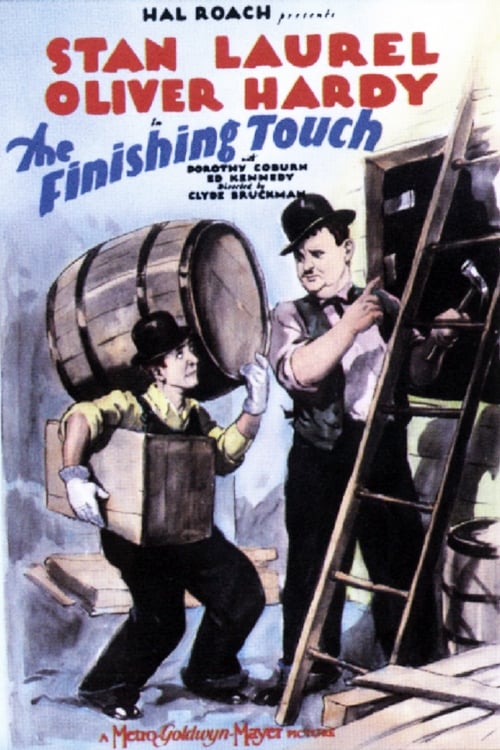
The Finishing Touch
1928
No user ratings available yet
Diversity score: 1.8 out of 10

1928
PassedDirector
Clyde Bruckman
Runtime
22 minutes
Average Rating
No ratings yetSynopsis
Stan complains of a toothache and he and Ollie visit the dentist. Ollie gets his teeth pulled by mistake. Under the influence of laughing gas, they leave and cause much commotion on the road annoying a traffic cop.
Overall Score
Minimal
Category Breakdown
LGBTQ+ Representation
The film lacks any evidence of non-heteronormative identities or same-sex intimacy. The narrative focus remains strictly on the physical comedy of the central duo.
Gender Representation
The story centers on male protagonists navigating physical mishaps. There is no visible subversion of gender hierarchies or portrayal of women in non-traditional roles.
Racial & Ethnic Diversity
The film appears to follow the homogeneous casting patterns typical of 1920s American silent comedy. It lacks evidence of racial blending or diverse casting.
Religious & Cultural Diversity
The plot uses social disruption and laughing gas to drive slapstick chaos. It avoids systemic critiques of institutions, focusing instead on situational absurdity.
Disability Representation
A toothache and medical intervention serve as comedic catalysts. These elements function as plot devices rather than nuanced portrayals of health conditions or neurodivergence.
Strengths
Areas for Improvement
AI Analysis
Leave 'Em Laughing is a quintessential silent-era slapstick short that prioritizes kinetic energy over social depth. The narrative relies on physical ailments and accidental medical errors to trigger situational chaos, a structure common to the genre during this period. The film operates within a very narrow demographic scope, focusing almost exclusively on the antics of its male leads. It lacks the structural complexity needed to address intersectional identities or challenge the social hierarchies of the late 1920s. Ultimately, the work serves as pure physical entertainment. It does not attempt to engage with progressive representation or provide any meaningful deconstruction of cultural or social norms.
1928
1914
1955
1940
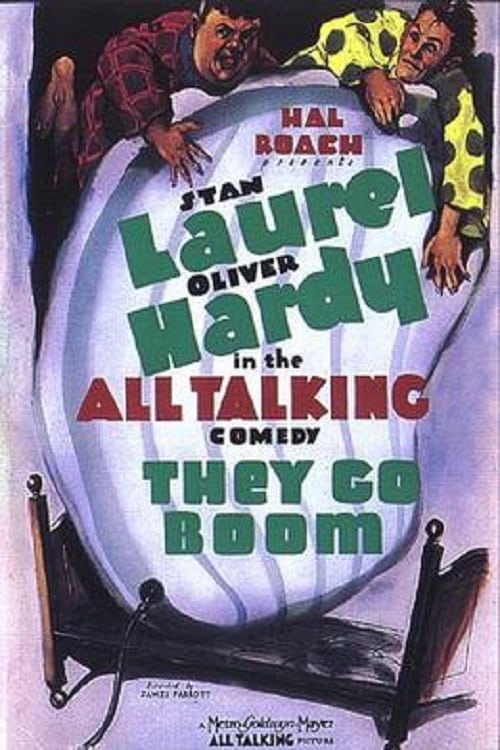
1929
1944
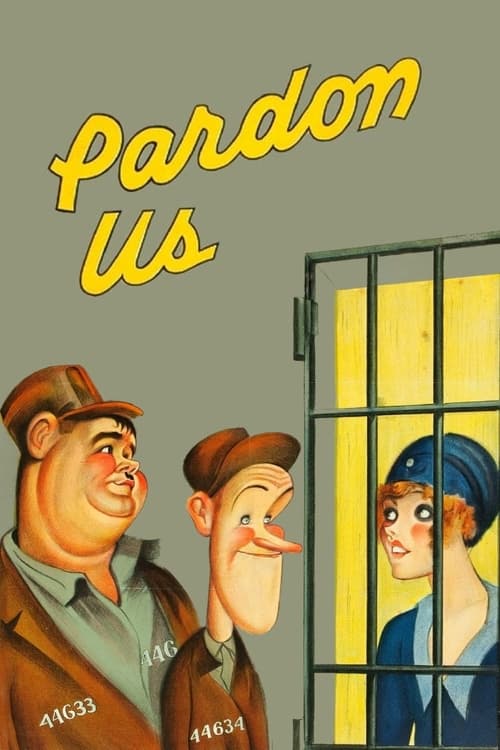
1931
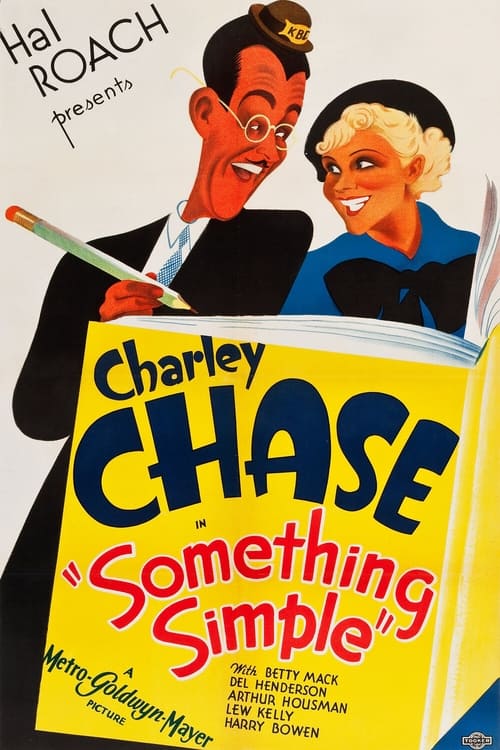
1934
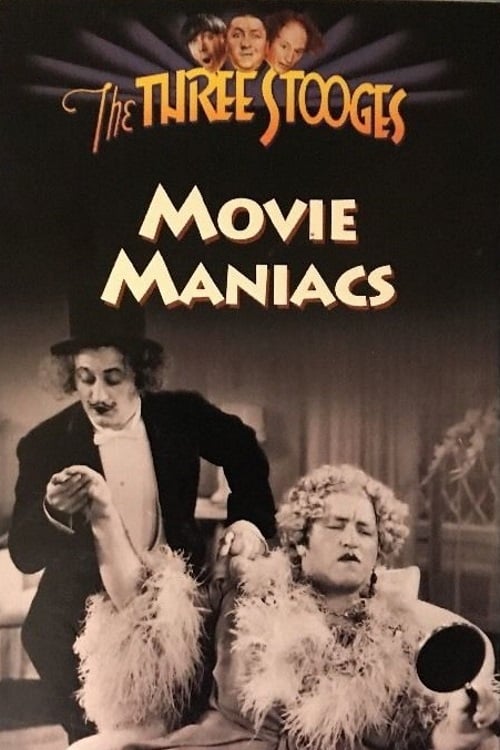
1936
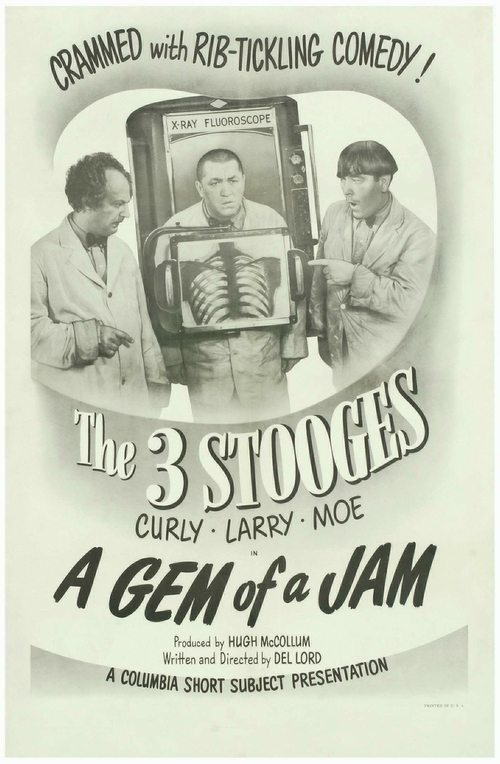
1943
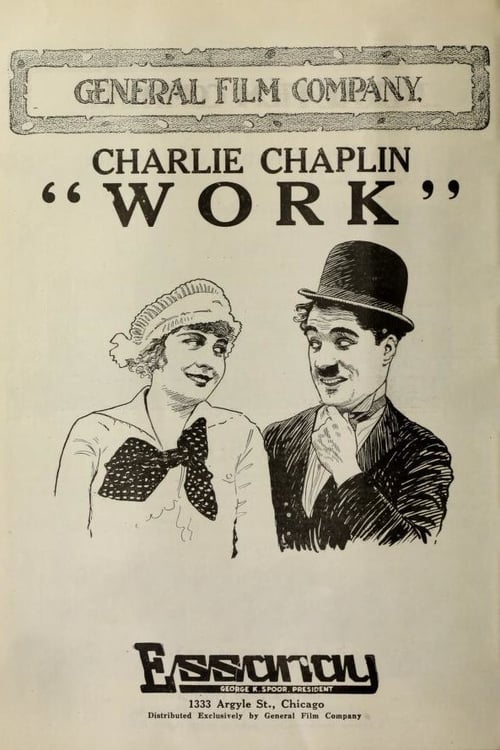
1915
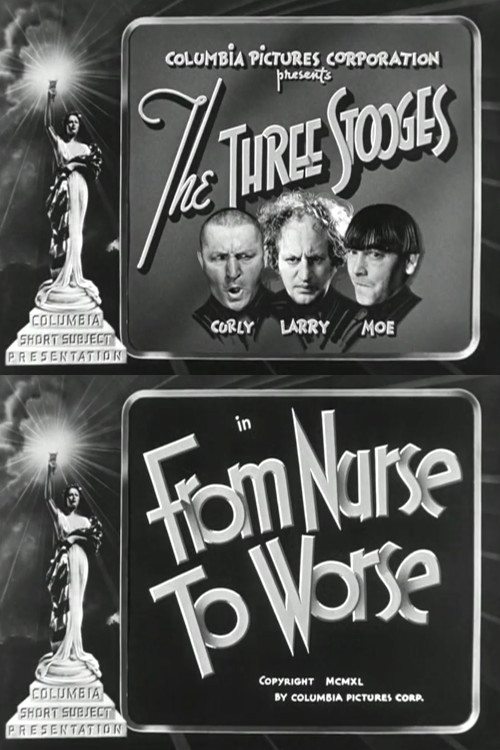
1940
No reviews yet. Be the first to share your thoughts on this movie!
Use the rating form above to leave a star rating and optional review.