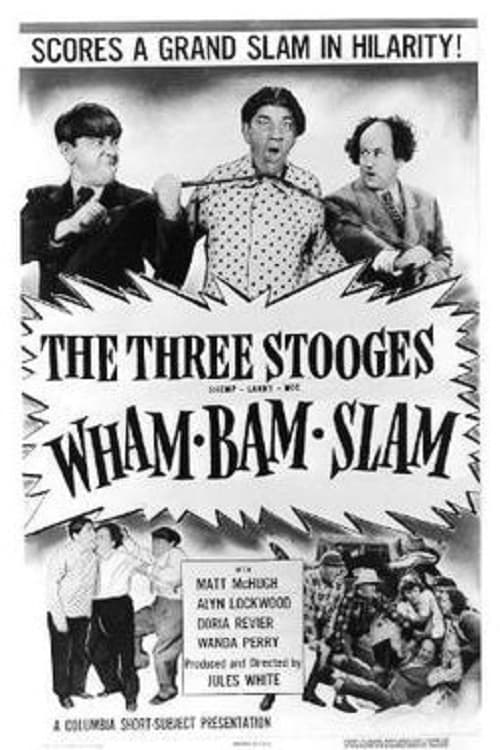
Wham-Bam-Slam!
1955
No user ratings available yet
Representation score: 1.7 out of 10
Representation Score
Minimal
1940
GDirector
Gordon Douglas
Runtime
57 minutes
Average Rating
No ratings yetNew Showbiz Analysis
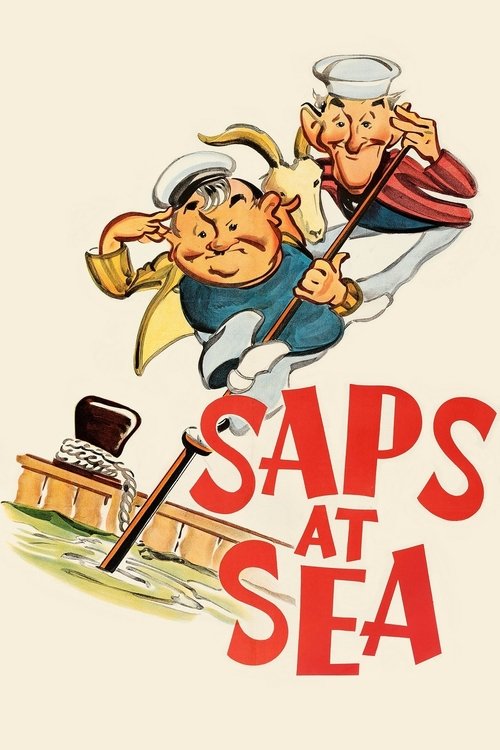
Saps at Sea is a classic product of the 1940s studio system, emphasizing slapstick humor over social commentary. The narrative revolves around traditional character types and a homogeneous cast reflective of the era's standard practices. While the film challenges traditional masculine stereotypes by depicting the male leads as bumbling and vulnerable, it does so through farce rather than critical examination. The absence of diverse representation across gender, race, and identity mirrors the period's conventional casting and social norms. Ultimately, the film operates within established social orders, using character incompetence as a comedic cliché rather than a tool for institutional critique.
Category Breakdown
The film adheres to a strictly heterosexual and cisgender framework, with no representation of LGBTQ+ identities or same-sex relationships.
The focus is primarily on the male leads, Stan and Ollie, while female characters are limited to supporting roles or traditional romantic interests.
The cast is overwhelmingly white, with no indication of diverse ethnic backgrounds or racial blending.
The story serves as comedic escapism, reinforcing traditional social structures without addressing anti-Western sentiments or systemic critiques.
Ollie’s condition, which causes him to react to sound, is used as a comedic element rather than a serious portrayal of his medical issue.
Present on Screen
Limited or Absent
Official Synopsis
Stan and Ollie work in a horn factory. Ollie starts having violent fits every time he hears a horn. His doctor prescribes a restful sea voyage. Mayhem ensues.
1955
1953
1933

1931
1941
1929
1946
1945
No reviews yet. Be the first to share your thoughts on this movie!
Use the rating form above to leave a star rating and optional review.