Dots
1940
No user ratings available yet
Representation score: 0.0 out of 10
Representation Score
Minimal
1941
Director
Norman McLaren
Runtime
4 minutes
Average Rating
No ratings yetNew Showbiz Analysis
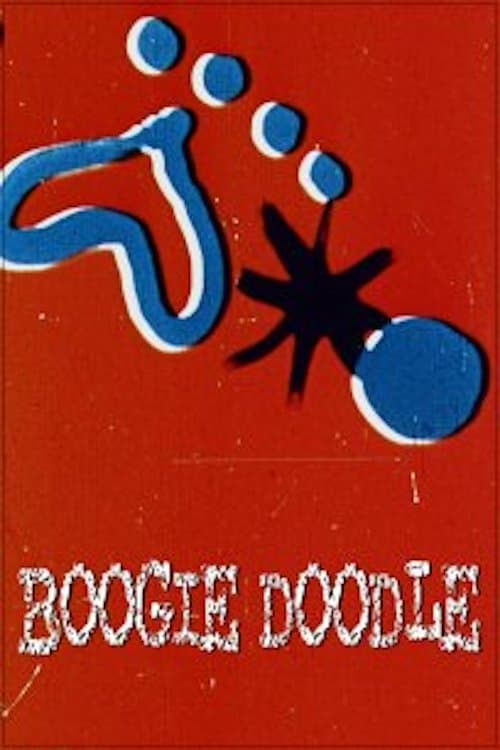
Boogie-Doodle is a formalist experiment that prioritizes technical deconstruction over narrative. Since the film is a non-narrative, drawn-on-film animation, it lacks the character-driven framework necessary for traditional social representation. The work functions as a sensory exploration of rhythm rather than a vehicle for identity-based storytelling. It avoids social clichés entirely, focusing instead on the synchronization of visual stimuli and music. While the film lacks visual diversity, it maintains a subtle connection to Black cultural expression through its reliance on jazz music.
Category Breakdown
The film consists of abstract rhythmic patterns and colors. It lacks characters, dialogue, or interpersonal dynamics, making it impossible to depict sexual orientation.
The work is entirely non-anthropomorphic. There are no depictions of gendered roles or social hierarchies, as the focus remains on the intersection of line and sound.
The film features the jazz performance of Albert Ammons, connecting the work to African American musical innovation. However, there is no visual depiction of people or ethnic narratives.
The animation operates in a vacuum of pure abstraction. It does not engage with religious, political, or socioeconomic institutions or specific cultural moralities.
There are no characters or sentient beings present. Consequently, the film offers no depictions of neurodivergence or physical disability.
Present on Screen
Limited or Absent
Official Synopsis
An animation film, made without the use of a camera, in which "boogie" played by Albert Ammons and "doodle" drawn by Norman McLaren combine to make a rhythmic, brightly colored film experiment. The main title is in eight languages.
1940
1940
1941

1942
1939
1946

1947
1947
No reviews yet. Be the first to share your thoughts on this movie!
Use the rating form above to leave a star rating and optional review.