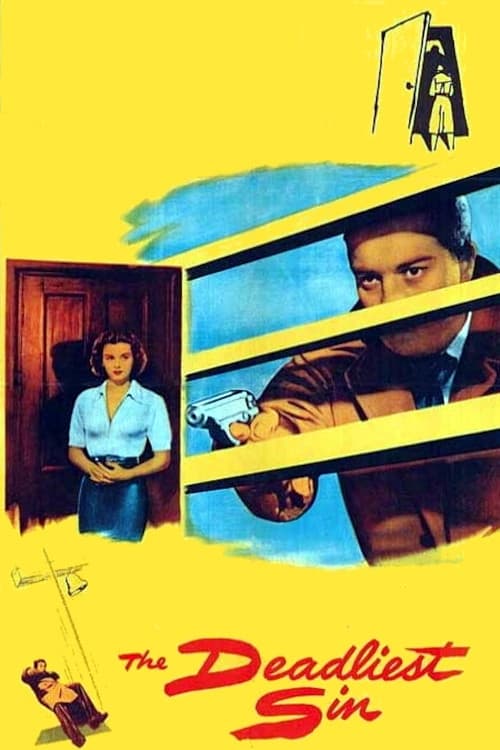
The Deadliest Sin
1955
No user ratings available yet
Diversity score: 2.2 out of 10

1963
NRDirector
Ken Annakin
Runtime
105 minutes
Average Rating
No ratings yetSynopsis
When the detective in charge of investigating a series of bank robberies starts to get too close to the culprits, they set up a blackmail scheme to warn him off. But when the crooks begin to fall out with each other, the police learn the truth.
Overall Score
Limited
Category Breakdown
LGBTQ+ Representation
The film adheres to the traditional social norms of the 1960s. There is no evidence of non-cisnormative identities or narratives that critique heteronormativity.
Gender Representation
The story focuses on male-dominated power dynamics between detectives and criminals. While female characters may exist on the periphery, they do not drive the central investigation.
Racial & Ethnic Diversity
The production reflects the demographic homogeneity typical of mid-century Western crime films. There is no indication of a multi-ethnic cast driving the plot.
Religious & Cultural Diversity
The narrative operates within a standard framework of law and order. It focuses on the tension between legal institutions and anti-social elements.
Disability Representation
There is no mention of characters with visible or invisible disabilities. Disability is not utilized as a source of agency within this procedural.
Strengths
Areas for Improvement
AI Analysis
The Informers is a conventional 1963 crime procedural that prioritizes genre mechanics over social exploration. The narrative architecture follows a standard detective framework, focusing on bank robberies, blackmail, and the breakdown of criminal cooperation. Because the film was produced during an era of traditional studio filmmaking, it lacks contemporary intersectional representation. The plot centers on the restoration of social order through established systemic channels rather than challenging social hierarchies. Ultimately, the film functions as a period-typical genre piece. It relies on mid-century cinematic tropes that emphasize procedural realism and male-dominated conflict.
1955
1952
1956
1950
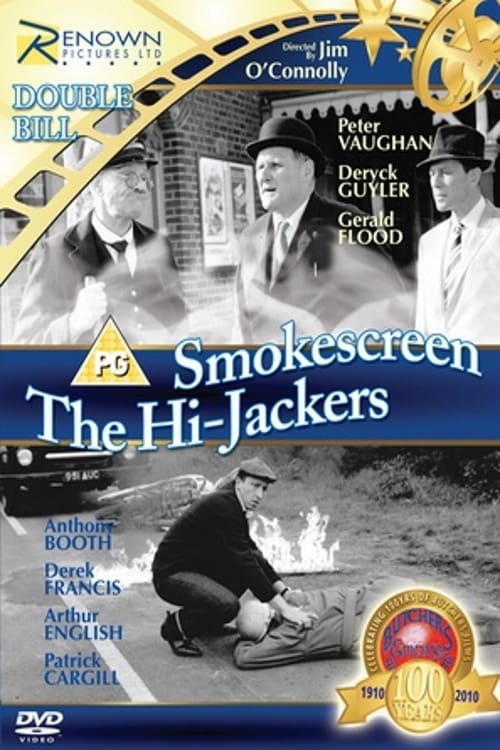
1963
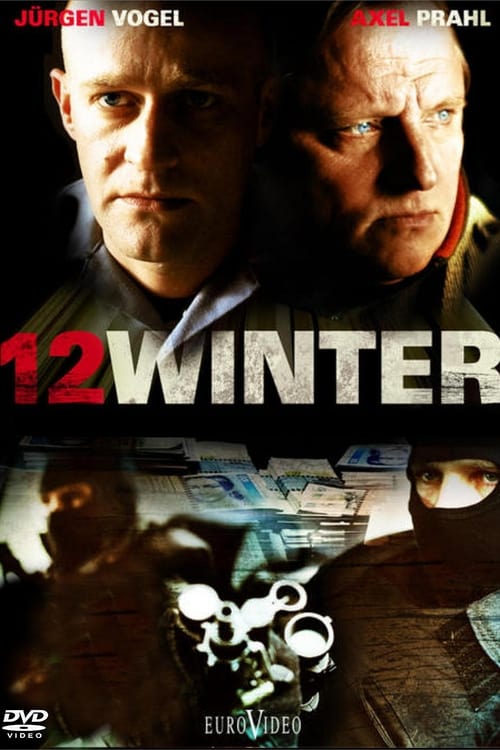
2009
1954
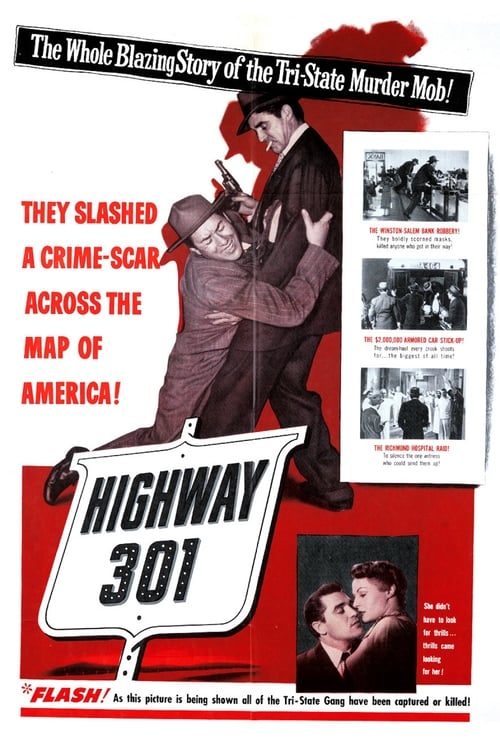
1950
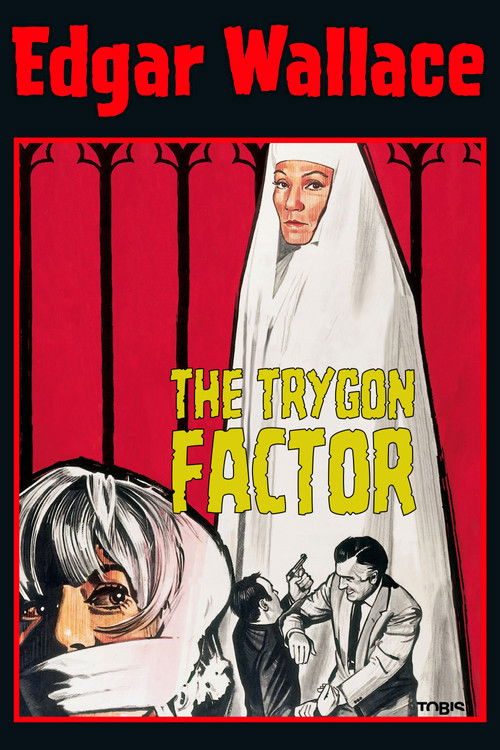
1966
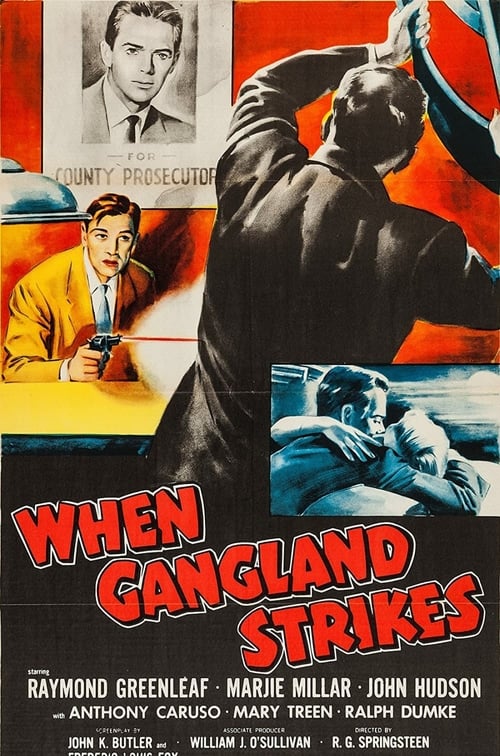
1956
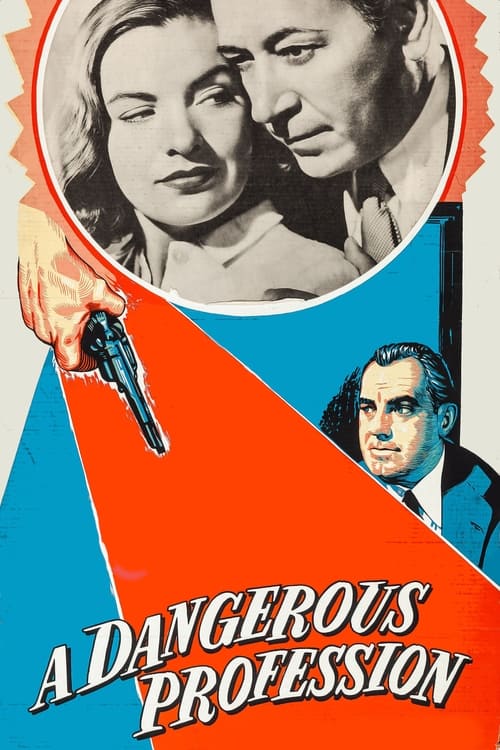
1949
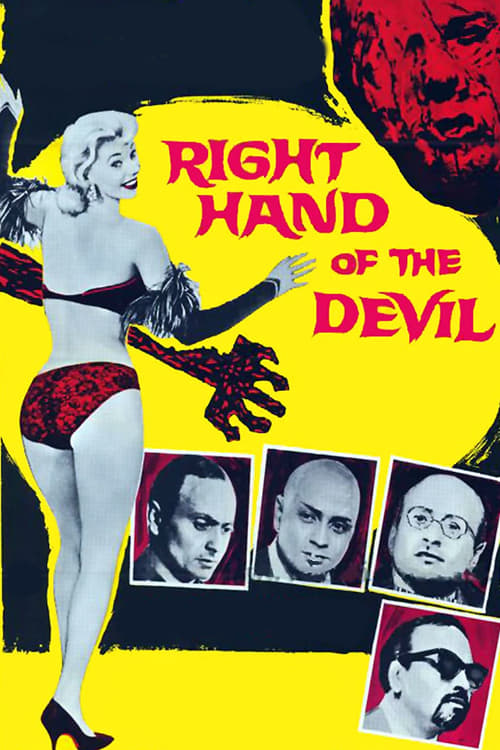
1963
No reviews yet. Be the first to share your thoughts on this movie!
Use the rating form above to leave a star rating and optional review.