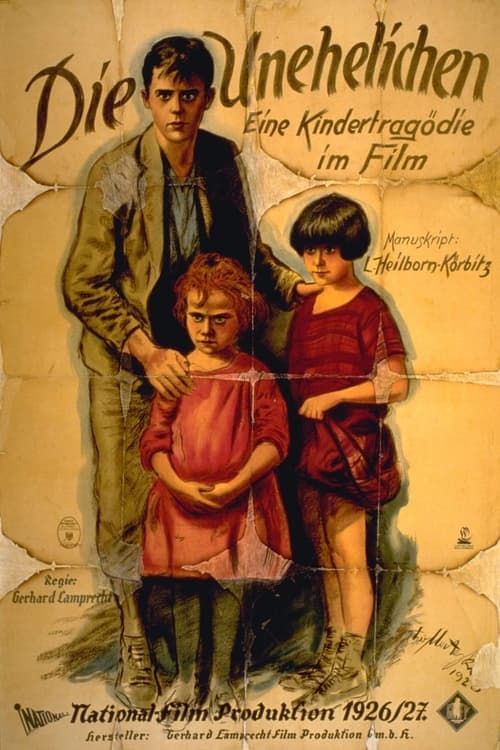
Children of No Importance
1926
No user ratings available yet
Representation score: 4.6 out of 10
Representation Score
Fair
1925
Director
Gerhard Lamprecht
Runtime
113 minutes
Average Rating
No ratings yetNew Showbiz Analysis
Gerhard Lamprecht’s work is a cornerstone of social realism, moving away from expressionism to document the underrepresented. The film succeeds in deconstructing Western social pillars, portraying the state and family as sources of hardship rather than stability. However, the film is limited by the demographic realities of its era. It lacks representation for LGBTQ+ identities and ethnic diversity, focusing almost exclusively on the socioeconomic struggles of the white Weimar proletariat. Ultimately, the film's strength lies in its systemic critique. It treats poverty as a structural failure rather than a personal one, providing a sophisticated look at the human cost of capitalism.
Category Breakdown
The film focuses on the survival of the urban underclass. There are no documented LGBTQ narratives or non-cisgender identities present in this production.
Emma and other women navigate a predatory economic landscape who play a significant role in driving the story. The film disrupts traditional hierarchies by highlighting female exploitation and emotional strength.
The story reflects the demographic homogeneity of the 1925 Berlin proletariat. It prioritizes class-based identity over racial or ethnic diversity.
The narrative offers a sharp critique of Western capitalist structures. It portrays systemic poverty and the breakdown of the traditional family unit as central themes.
The film lacks characters with specific medical or neurodivergent disabilities. Instead, it explores the systemic 'disability' caused by extreme poverty and economic exclusion.
Present on Screen
Limited or Absent
Official Synopsis
It was not just the children who were treated badly by the wealthy Weimar republic. Robert Kramer is released from prison but struggles to adjust to civilian life. His father disowns him, his wife has left him for another man. There is no work. He eventually arrives in a shelter for the homeless, and seeks salvation through Emma, a prostitute.
1926

1929
1925

1924
1925

1977

1932

1928
No reviews yet. Be the first to share your thoughts on this movie!
Use the rating form above to leave a star rating and optional review.