Find another title
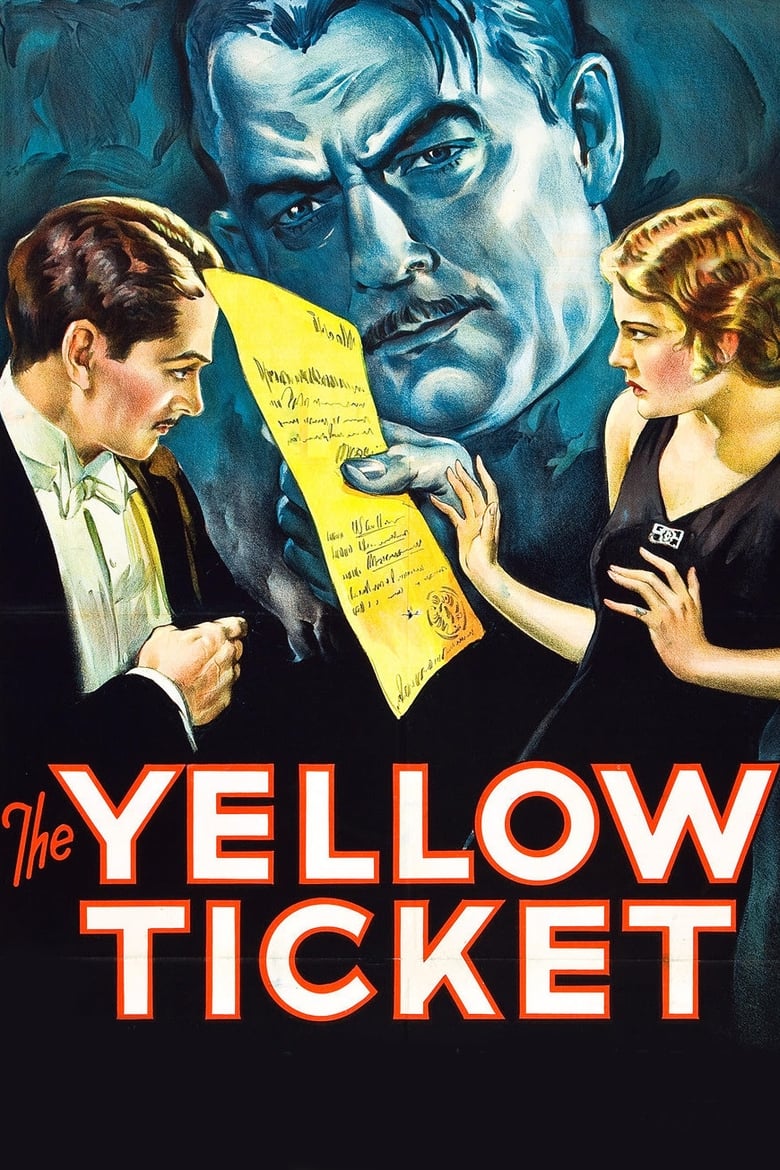
The Yellow Ticket
1931
NRDirector
Raoul Walsh
Runtime
88 minutes
Average Rating
No ratings yetSynopsis
A young Russian girl is forced into a life of prostitution in Czarist Russia, and she and a British journalist find their lives endangered when she reveals to him information regarding the social crimes rampant in her country.
Where to Watch
Diversity & Representation
Overall Score
Good
Category Breakdown
LGBTQ+ Representation
The film contains no identifiable LGBTQ+ characters or narratives. The focus remains strictly on ethnic and gendered struggles within the historical context.
Gender Representation
The narrative centers on a female protagonist who exercises significant intellectual and strategic agency. She utilizes deception to navigate a patriarchal and state-controlled landscape, challenging conventional depictions of female passivity.
Racial & Ethnic Diversity
The film explores ethnic marginalization by centering the Jewish experience and systemic legal discrimination. Casting Dolores del Río in a Jewish Russian role serves as an early example of race-blind casting.
Religious & Cultural Diversity
The film critiques institutionalized oppression by targeting the Tsarist Russian state and its discriminatory legal frameworks. It portrays identity fraud as a necessary survival mechanism against systemic injustice.
Disability Representation
There are no prominent depictions of visible or invisible disabilities that serve as central narrative drivers.
Strengths
- The film provides a sophisticated exploration of ethnic marginalization and the Jewish experience under systemic legal discrimination.
- The protagonist displays significant intellectual agency, using social maneuvering to navigate a patriarchal and state-controlled landscape.
- The use of race-blind casting with Dolores del Río prioritizes thematic necessity and broadens the film's intersectional reach.
Areas for Improvement
- The film contains no identifiable LGBTQ+ characters or narratives addressing non-heteronormative identities.
- There are no prominent depictions of visible or invisible disabilities within the narrative.
AI Analysis
The film stands out for its sophisticated exploration of ethnic marginalization and systemic oppression. By focusing on the Jewish experience under Tsarist rule, it moves beyond simple melodrama to critique state-mandated social stratification. The protagonist's agency is a key strength, as she navigates a patriarchal society through strategic maneuvering rather than submissive tropes. This provides a nuanced look at how individuals survive within restrictive institutional frameworks. However, the film lacks any representation of LGBTQ+ identities or characters with disabilities. While it excels in its specific historical and gendered critique, these other dimensions of diversity are entirely absent.
Rate this Movie
Reviews
No reviews yet. Be the first to share your thoughts on this movie!
Use the rating form above to leave a star rating and optional review.