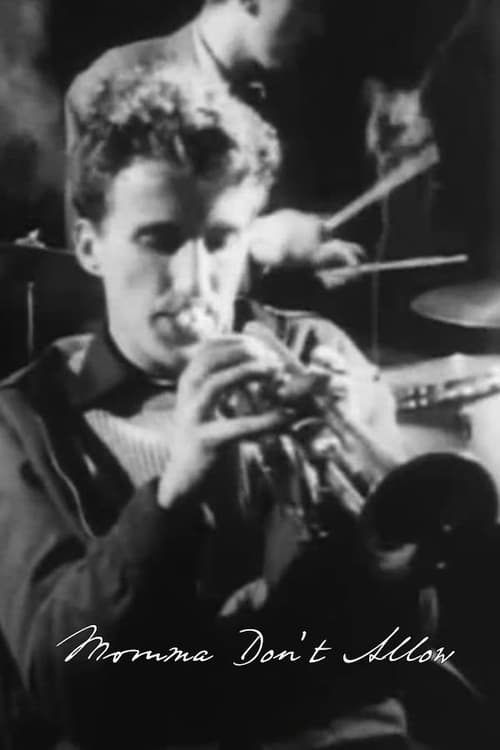
Momma Don't Allow
1956
No user ratings available yet
Representation score: 5.6 out of 10
Representation Score
Fair
1954
Director
Roger Tilton
Runtime
22 minutes
Average Rating
No ratings yetNew Showbiz Analysis
Jazz Dance (1954) excels in documenting Black musical traditions and the spiritual energy of jazz culture. Its intimate, handheld camera work captures authentic cultural expressions that challenged mid-century social norms. However, the film lacks explicit confirmation of LGBTQ+ identities or specific character arcs for gendered representation. While the club setting implies social fluidity, the absence of verified on-screen narratives limits the score in these areas. Overall, the film is a significant cultural document that prioritizes spontaneous social behavior and non-white ability to act over the rigid, formalistic structures typical of the 1950s.
Category Breakdown
The film captures a Manhattan club transforming into a lively, sensual atmosphere. While specific identities aren't confirmed, the club serves as a space where various gender expressions can be explored.
The film highlights explosive, physical energy that disrupts traditional 1950s domestic roles. The emphasis on physical expression challenges the standard portrayal of submissive femininity.
By focusing on Manhattan jazz culture, the film emphasizes Black musical traditions. It offers significant visibility to non-white cultural practices through an intimate, close-up perspective.
The documentary explores sensory immersion and spiritual power rather than institutional frameworks. This celebration of social liberation subtly critiques conservative, regulated social institutions.
There is no evidence regarding the depiction of individuals with physical or neurodivergent disabilities. No specific characters or plot points are identified for assessment.
Present on Screen
Limited or Absent
Official Synopsis
Few films wield the awesome spiritual power of Jazz Dance, on which Leacock was one of two cameramen charting the slow, smoldering build of a Manhattan dance club from idle space to explosive, carnal bacchanal. Employing handheld cameras, limited light and sheer proximity, the film achieved an intimacy never before witnessed in a documentary.
1956
1929
1997
2016
1979
1957
1959
1980
No reviews yet. Be the first to share your thoughts on this movie!
Use the rating form above to leave a star rating and optional review.