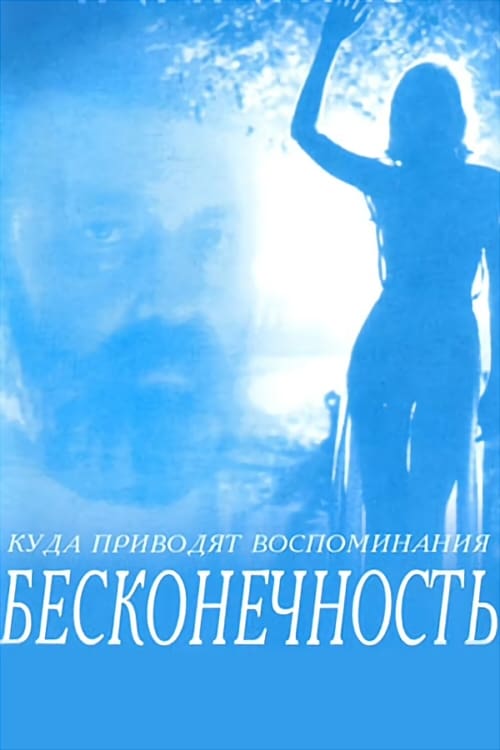
Infinity
1993
No user ratings available yet
Representation score: 4.5 out of 10

Representation Score
Good
1992
Director
Mikhail Kalik
Runtime
133 minutes
Average Rating
No ratings yetNew Showbiz Analysis
And the Wind Returns... is a meditative, semi-autobiographical film that emphasizes personal memory over monolithic state history. Its strength lies in its sophisticated deconstruction of institutional power and its focus on the Jewish immigrant experience. However, the film lacks explicit representation of LGBTQ+ identities or disabilities, and there is limited evidence of active subversion of gender hierarchies.
Category Breakdown
The film does not explicitly address LGBTQ+ identities or include specific character arcs related to these communities.
The film examines gender roles within the context of Soviet social structures. It focuses on the creator's internal experiences rather than actively challenging gender hierarchies.
The narrative centers on the Jewish diaspora and the complexities of ethnic identity. It explores the immigrant experience and the sense of 'otherness' within a state-controlled empire.
The film offers a strong cultural critique by examining Soviet structures. It uses personal memories to challenge state-sanctioned history and institutional authority.
There is no depiction of physical or neurodivergent disabilities in this film.
Present on Screen
Limited or Absent
Official Synopsis
The director's story about his life in the Soviet Union before his departure to Israel in 1971. The movie interweaves chronicle-documentary footage and fragments of Mikhail Kalik's films.
1993

1964
1990
1975
1984
2000
2016

2009
No reviews yet. Be the first to share your thoughts on this movie!
Use the rating form above to leave a star rating and optional review.